


Hartley Farmhouse in Banyo has stood for more than a century, one of the few surviving farmhouses in the suburb and a reminder of when the area was defined by small crop farms rather than houses.
Early Beginnings On Blinzinger Road
The farmhouse at 62 Blinzinger Road was likely built around 1905 for Harry Hartley, who had purchased the land in 1892. At that time, Banyo was attracting small farmers after the Virginia railway station opened in 1888, offering easier access to Brisbane markets.

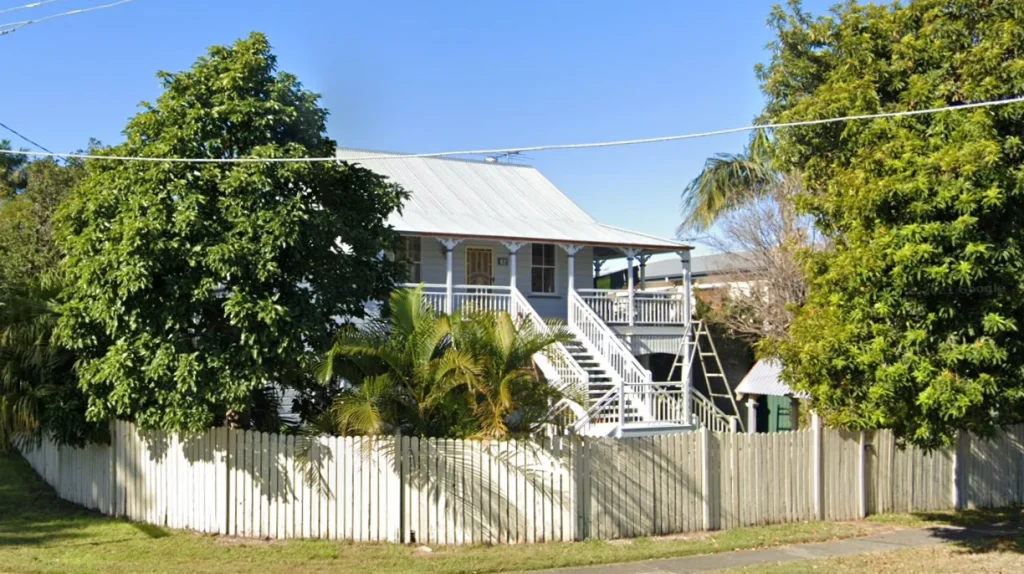

The Hartleys established their home on just over two acres, part of a larger tract originally sold as bushland in the mid-1860s.

Subdivision And Growth
As the suburb grew, farmland gave way to residential streets. Members of the Hartley family helped shape the local street layout, with Hartley Street, Musgrave Road and Easton Street connected to their landholdings.
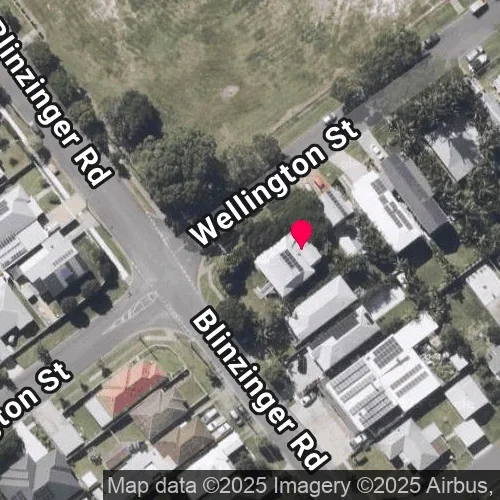


By the 1940s, after the Second World War, demand for housing rose and the family subdivided the remaining acreage into 32-perch lots. Some parcels were sold to private buyers while others were provided to the Nundah Baptist Church.
Changing Hands Through The Decades
Following the death of Harry Hartley in 1949, the farmhouse changed owners multiple times. Each owner left their mark, with modifications including the enclosure of a verandah in the 1950s.
Despite these changes, the timber home with its corrugated iron roof retained much of its original form, offering a strong visual connection to Banyo’s early 20th century character.
Community Significance Today
Hartley Farmhouse is now protected on Brisbane City Council’s Local Heritage Register. Its listing in July 2003 recognises the building’s historical importance as evidence of the suburb’s transformation from farmland to suburbia.
For locals, the farmhouse is more than just an old home. It is a rare reminder of how the community began, and why preserving such places matters for future generations.
Updated 19-December-2025