

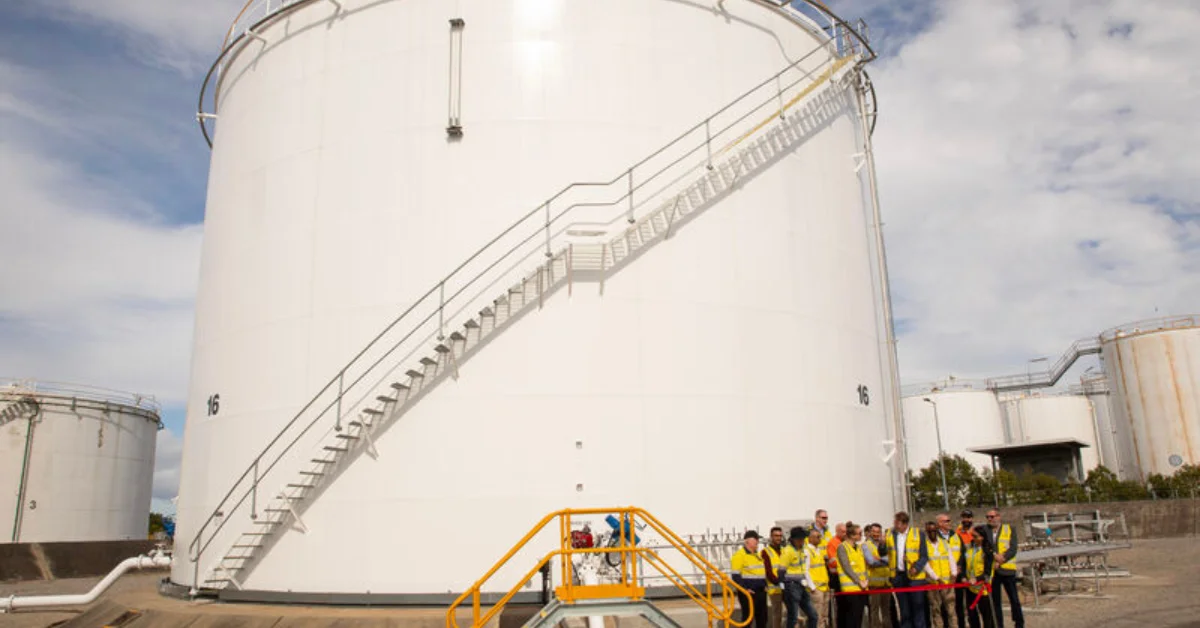
Viva Energy has launched new infrastructure at its Pinkenba Terminal that will allow sustainable aviation fuel (SAF) to be stored, blended and supplied directly into Brisbane Airport’s existing jet fuel network, marking a significant milestone in efforts to reduce emissions from air travel.
Read: Brisbane Airport-Based Stralis Leads Hydrogen Aircraft Push in Japan
The new facility, officially opened by Queensland Treasurer and Minister for Energy David Janetzki, is the first dedicated end-to-end SAF storage and blending facility connected to an Australian airport fuel system that is integrated with a carbon credit transfer program. The project is designed to support the wider adoption of lower-emissions aviation fuel while helping lay the groundwork for a future domestic SAF manufacturing industry in Queensland.

New Infrastructure for Lower-Carbon Flights
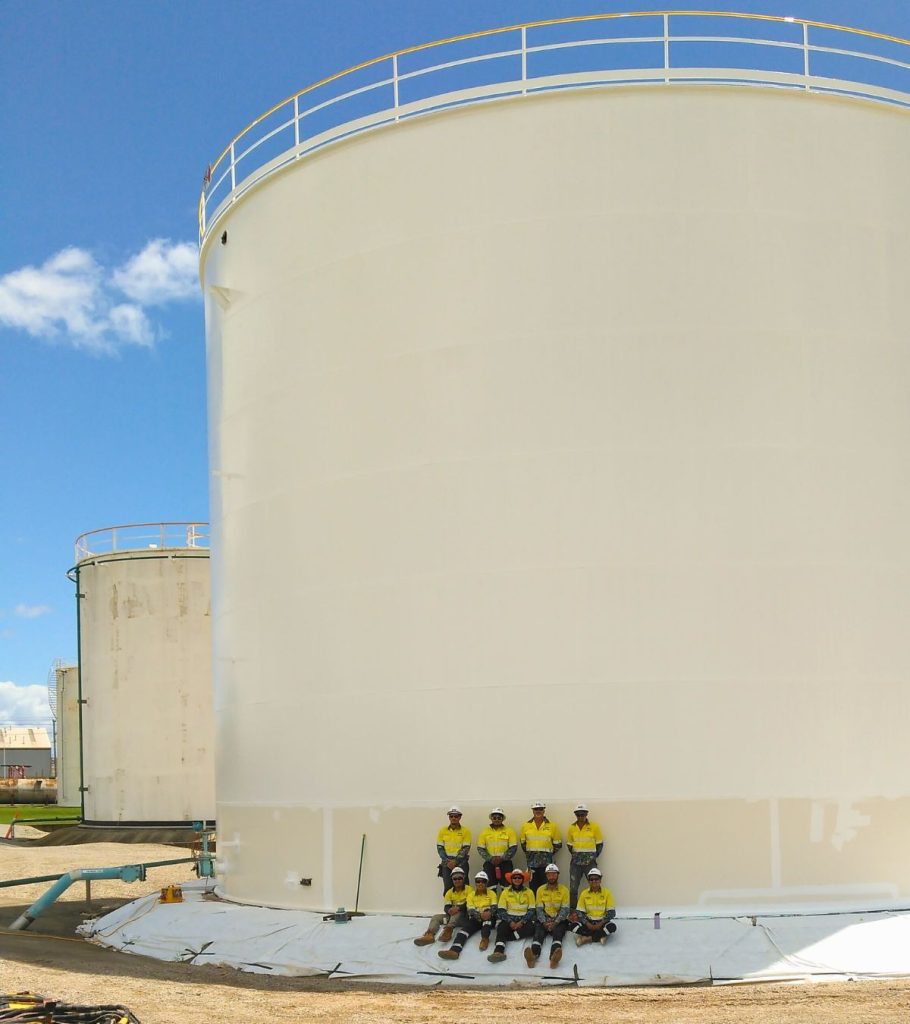
The $4.93 million project, supported in part by the Australian Renewable Energy Agency (ARENA), involved refurbishing a 3.3 million-litre storage tank at Pinkenba Terminal and installing systems that enable sustainable aviation fuel to be stored, blended, verified and delivered through Brisbane Airport’s existing Joint User Hydrant Installation (JUHI) fuel supply system.
Initially, the sustainable aviation fuel supplied through the facility is produced from biogenic feedstocks including used cooking oil sourced from Malaysia. Industry experts consider SAF one of the aviation sector’s most important tools for reducing emissions because it can be blended with conventional jet fuel. Current international standards allow sustainable aviation fuel to be blended with conventional jet fuel at levels of up to 50 per cent.

The Pinkenba project also introduces Fuel Central, a digital mass balance accounting platform developed by NoviqTech, which will track the fuel from Viva Energy’s terminal to aircraft while recording its sustainability credentials. The system also supports internationally recognised certification through the International Sustainability and Carbon Certification (ISCC) framework, allowing airlines and corporate customers to account for associated emissions reductions.

Building Confidence in Sustainable Aviation Fuel
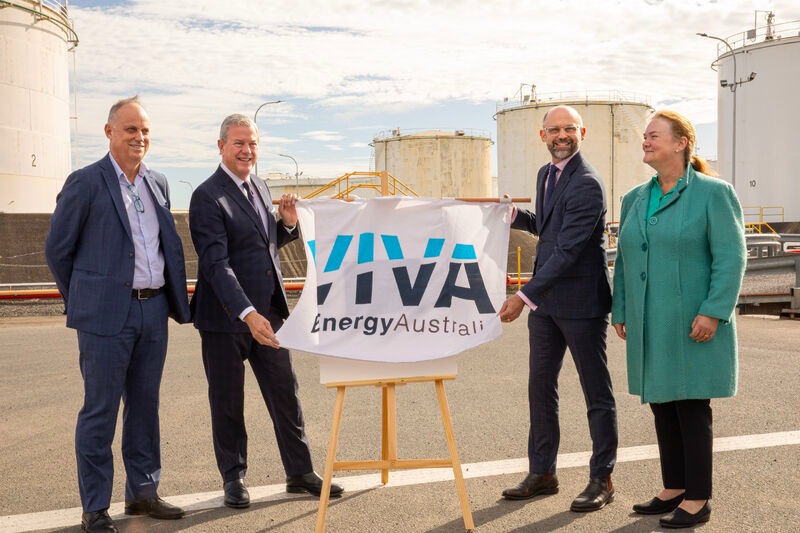
Viva Energy General Manager of Aviation Nick Adams said the project was about more than fuel supply infrastructure.
“SAF cannot reach scale in Australia unless the right infrastructure, systems and customer confidence are in place,” Mr Adams said.
“This project puts those foundations on the ground at Brisbane Airport. It shows how SAF can move from supply chain ambition to real airport operations, with ISCC-recognised transparency for credible emissions claims.”



He said the facility represented “an important step towards a more reliable SAF market in Australia and potentially, over time, a domestic manufacturing industry that can support lower-emissions aviation.”
Brisbane Airport CEO Gert-Jan de Graaff said the dedicated infrastructure would help make sustainable aviation fuel part of everyday airport operations.
“Every litre of sustainable aviation fuel delivered through this dedicated infrastructure to Brisbane Airport helps move the aviation industry closer to its decarbonisation goals,” he said.
“By working together across the supply chain, we can help make sustainable aviation fuel a more regular part of aircraft operations in Queensland while building momentum for a stronger sustainable aviation fuel industry in Australia.”
Waste Products Powering the Future
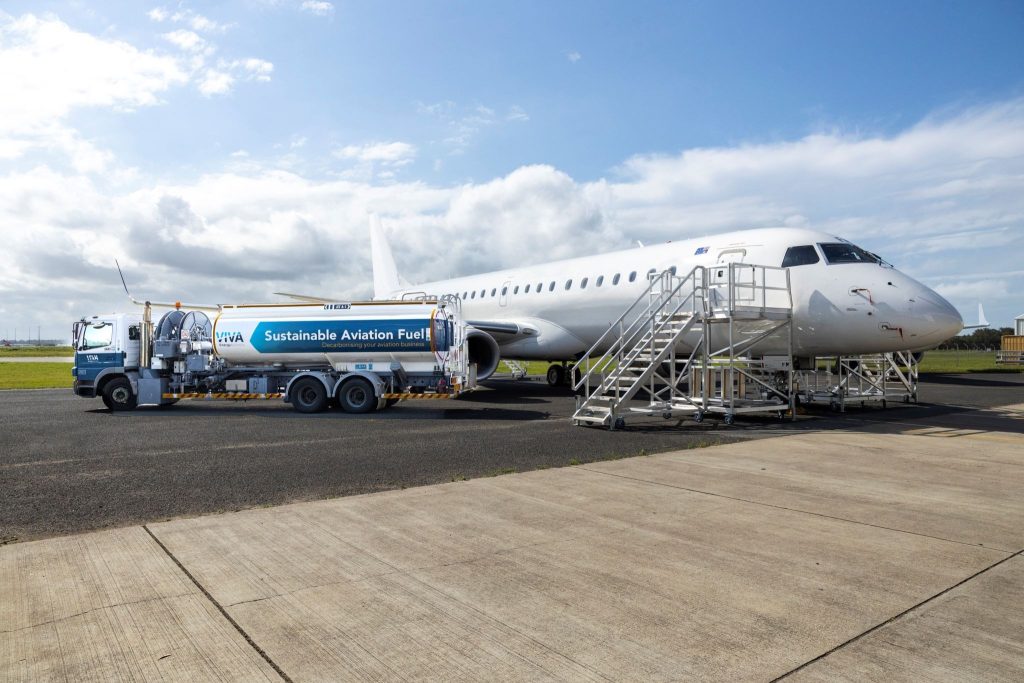
According to Viva Energy, the current fuel is produced from renewable feedstocks such as used cooking oil, while other forms of SAF can also be made from animal fats, agricultural residues or synthetic processes using captured carbon and hydrogen.
Viva Energy’s Head of Future Fuels and Decarbonisation, Vanessa Lenihan, said the company had incorporated used cooking oil from Malaysia into an existing import route while hoping the Brisbane project would encourage greater Australian production in the future. The project could help lay the groundwork for a future domestic SAF manufacturing industry in Queensland.
Read: Brisbane Airport Industrial Precinct Set to Become Global Quantum Hub
Part of a Broader Push
The Pinkenba project builds on Viva Energy’s earlier work introducing sustainable aviation fuel into Australia. In November 2023, the company supplied the Royal Australian Air Force Roulettes for their first public flying demonstration using SAF before expanding supply to other RAAF aircraft, including a 12-month pilot program at RAAF Base East Sale.
Last year, Viva Energy also supplied Virgin Australia with sustainable aviation fuel for flights departing Proserpine in Queensland and delivered SAF into Australia’s general aviation sector. The company is now commissioning another dedicated SAF blending and storage facility in Newport, Melbourne.
For Brisbane’s aviation industry, the new Pinkenba infrastructure is intended to support lower-emissions aviation and the development of a more established sustainable aviation fuel market in Australia.
Published 8-July-2026