




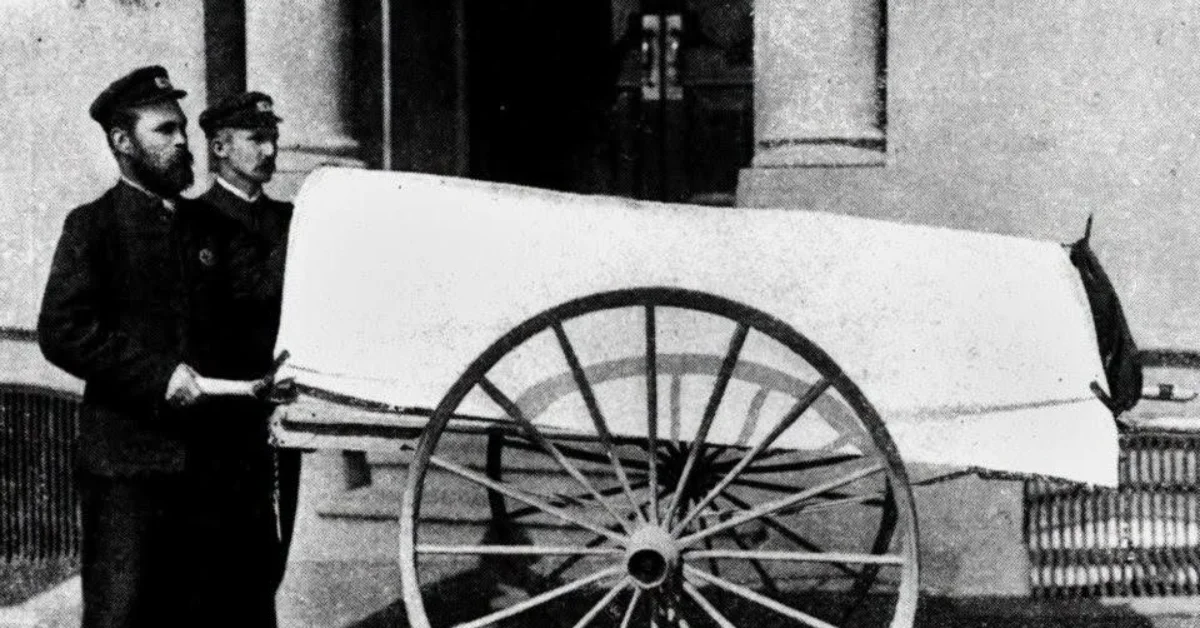
A Nundah quarry accident involving Robert Hooey recalls a time when emergency help began with a run to the post office and continued by foot, train and wheeled stretcher.
Son Ran To Nundah Post Office After Quarry Accident
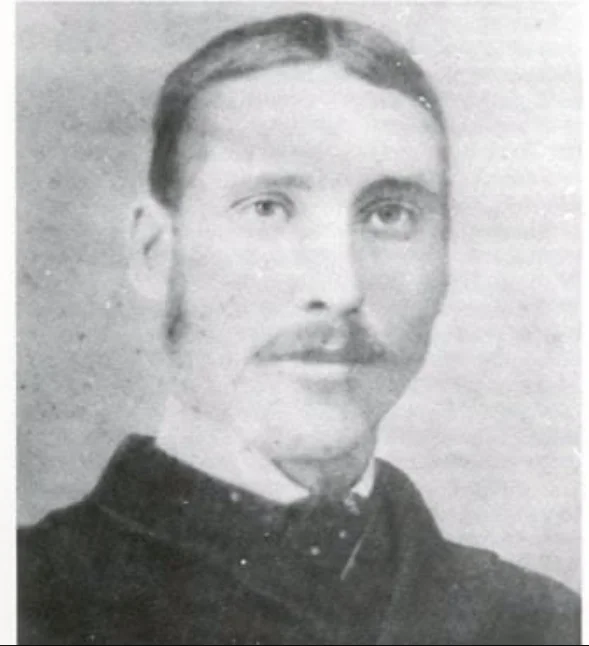
Robert Hooey was working at his Nundah quarry some time in 1914 when a horse-drawn dray accident left him badly injured.

He had been leading the dray along a rough track while it carried 23 hundredweight, or about 1168 kilograms. Hooey slipped, and a wheel of the dray passed over his chest.
With no quick call from the accident scene, one of his sons ran to the Nundah Post Office to telephone the General Hospital.

The request for help set off a journey that moved through several stages before Hooey reached treatment: on foot, by train, by litter and then by hand to hospital.

Help Came To Nundah By Train
Two ambulance bearers were sent with a litter, a wheeled stretcher used to move injured patients.
They first travelled on foot to Brunswick Street Station, where they caught a train to Nundah Station. From there, they walked about 15 minutes to reach the accident scene.
After attending to Hooey, the bearers placed him on the verandah of the house. They then waited until it was time to return to Nundah Station for the next available train, about an hour later.


Hooey was pushed on the litter back to Nundah Station, then taken by train to Brunswick Street Station.
Even after the train reached Brunswick Street, the trip was not over.
From the station, Hooey was pushed by hand to the General Hospital. His injuries included fractured ribs and severe internal bruising.
He survived the accident and spent five weeks recovering in hospital.
Ambulance Care Was Still Changing
The Nundah quarry accident belonged to a period when ambulance work in Brisbane still carried traces of its earliest years.
Brisbane’s organised ambulance service began after an 1892 showgrounds accident prompted concern about the need for trained emergency care. In its early years, the service relied on bearers, stretchers and later wheeled litters, with bearers still walking to reach patients and move them for treatment.
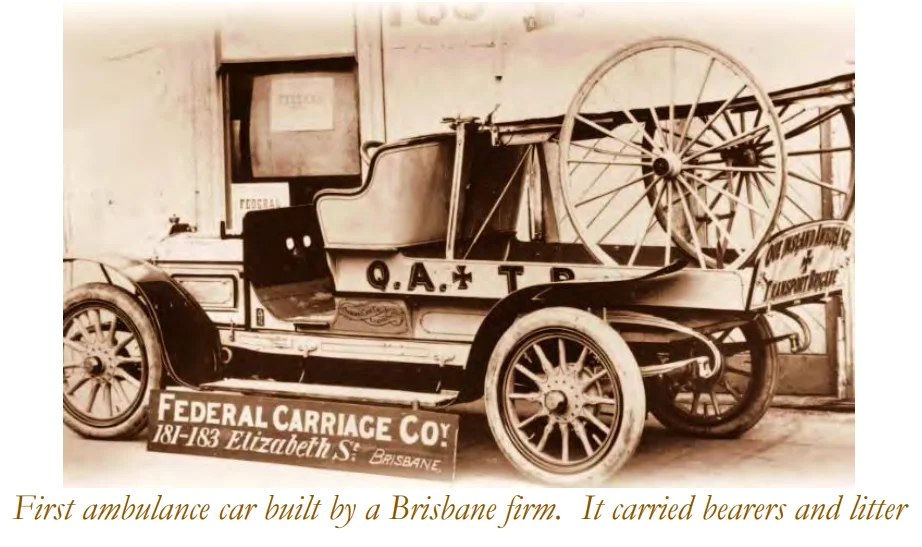
By 1914, Brisbane had already introduced a motor ambulance. Hooey’s reported response, however, still involved two bearers, a litter, train travel and a long hand-pushed journey between Nundah and the General Hospital.
More than a century later, the account remains a clear local record of emergency care before modern Triple Zero calls, mobile phones and today’s ambulance response systems.
Published 8-July-2026