


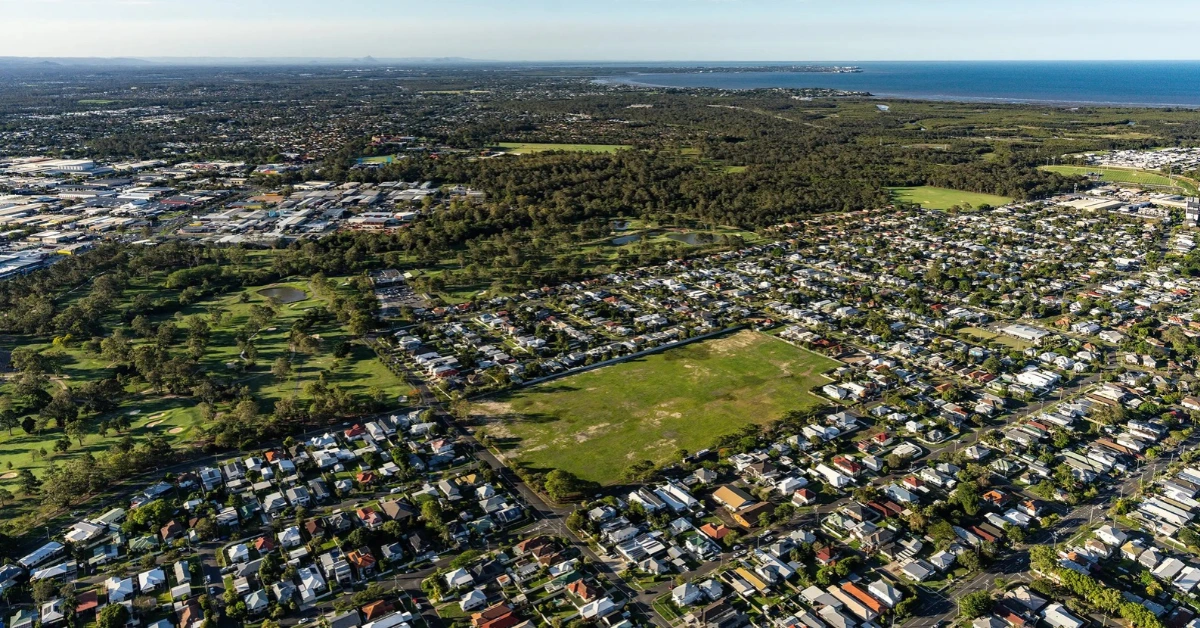
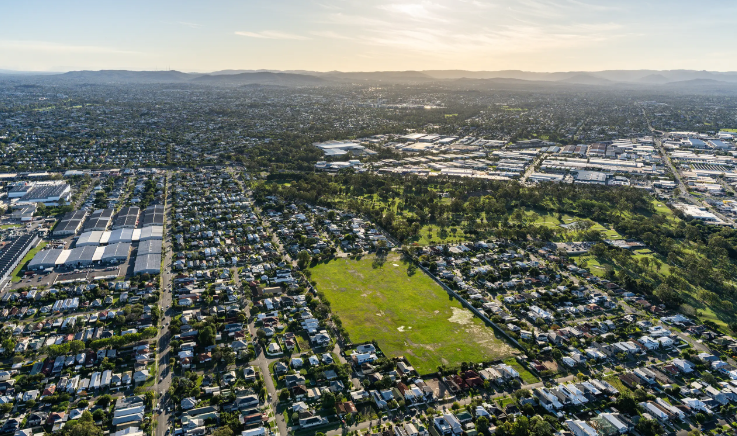
Banyo’s former Energex depot is earmarked for a new residential precinct, with proposals for townhouses, affordable housing and an aged care facility on a site close to the train station, schools, and local services.
Read: Banyo Land Sale Puts 400 Homes on the Table
As Queensland pursues its target of building one million homes by 2044, questions about how new developments will accommodate residents and provide supporting infrastructure are gaining importance.

The 6.4-hectare site has proposals for 207 townhouses, 64 affordable homes and a 180-bed residential aged care facility. The project forms part of Queensland’s Land Activation Program, which aims to unlock underused publicly owned land for housing. The proposal offers a local example of the challenge of integrating additional housing into an established suburban neighbourhood.
Infrastructure among residents’ concerns
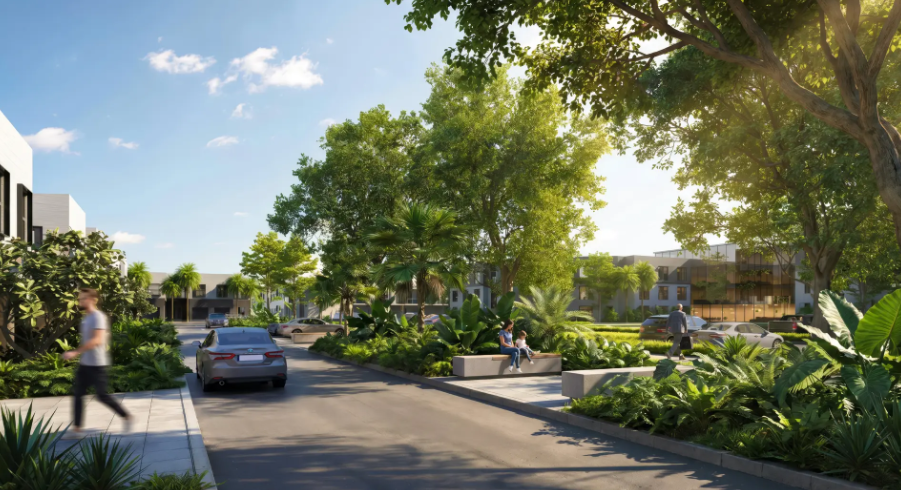
Traffic, parking, drainage and infrastructure capacity were among the issues raised during community consultation on the Banyo precinct, according to Economic Development Queensland (EDQ). Feedback also addressed pedestrian and cycling connections, transport, neighbourhood character and building heights.

These matters were considered when the final Provisional Land Use Plan came into effect on 24 August 2026. The plan establishes a framework for medium-density housing while recognising the need for appropriate infrastructure, transport connections and improvements to public spaces.

The consultation record does not establish that existing services are inadequate or that specific upgrades will be required. Further technical investigations during development assessment are expected to clarify how roads, drainage and other infrastructure will be integrated into the precinct.
The site is close to existing public transport, schools, shops and community facilities, according to EDQ. However, proximity to these services does not by itself establish how they will accommodate additional demand.
Traffic, parking, walking and cycling connections, drainage and public spaces were among the issues raised during consultation. Further details about planned infrastructure works, their costs, funding and delivery schedules would clarify how the project will address those concerns.


A local project with statewide significance
The Banyo precinct is one example of Queensland’s broader strategy to increase housing supply by unlocking underused public land. Preferred proponents for the site were announced in June 2026. EDQ’s project information outlines a pathway for future development, with detailed assessment still required before the residential proposals can proceed. The planning framework provides guidance for development, but it should not be confused with final approval for every building.
The proposal includes 64 affordable homes intended for key workers. Queensland also has a separate target of delivering 53,500 social and community homes by 2044. Whether the Banyo homes will count towards that broader target requires confirmation, as affordable housing and social housing are distinct categories.
Queensland’s wider housing ambition requires an average of about 50,000 additional homes each year over 20 years to reach one million. Delivering more homes involves more than identifying suitable land. Planning, construction and infrastructure provision all need to progress, with technical assessments helping determine how new precincts can connect with existing neighbourhoods.
What comes next for Banyo?
The final precinct plan provides a framework for the former Energex site, but the effects on the surrounding neighbourhood will depend on how the development proceeds and how supporting infrastructure is addressed.
EDQ says detailed investigations into matters such as traffic, infrastructure and flooding are undertaken at the development application stage. Those assessments will help establish how the proposed precinct can manage its impacts and integrate with surrounding areas. Further information about infrastructure upgrades, costs, funding and delivery schedules would give residents a clearer picture of what the development could mean for their neighbourhood.
Read: Nundah Office Building Sale Confirms Brisbane Area as Investment Destination
Banyo’s proposed redevelopment illustrates the balance involved in Queensland’s long-term housing ambitions. Finding land for new homes is one part of the task. Planning for the roads, drainage, transport connections and public spaces that support a growing population is another.
As planning progresses, the details of those assessments will be important in understanding how the former depot can be redeveloped while responding to the needs of the surrounding community.
Published 21-October-2026