





Every Queensland state school will have access to a state-built artificial intelligence chatbot by the start of June 2026, but a Brisbane-based education researcher is warning that students need structured guidance to use the technology effectively.
Read: Music and Arts Boost for Banyo School with New Hall Upgrade
Dr Luke Rowe, an AI in learning expert from Australian Catholic University’s National School of Education, based at the McAuley Campus in Banyo, says the evidence is clear: handing students a chatbot without structure or purpose is unlikely to produce meaningful educational outcomes. Students need structured guidance about what AI is, how it works, and what it should and should not be used for.

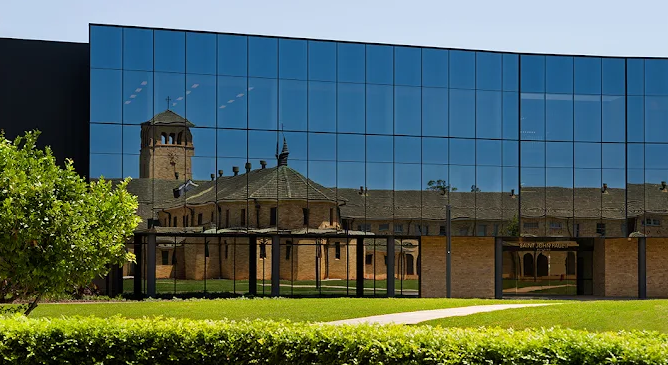
Dr Rowe argued that conversations about AI need to begin early and happen regularly, covering not only its potential benefits but also its environmental impact and the ways it can be misused. He draws a firm distinction between learning with AI and learning about AI, and believes schools need to carve out dedicated time for the latter rather than simply folding the technology into existing subjects.
When students lack the foundational research and critical thinking skills that proper AI use demands, he warns, they risk outsourcing their learning rather than deepening it. The teacher and fellow students remain rich resources in any classroom, he says, and should not be ignored just because a new tool has arrived.

What is Corella AI?
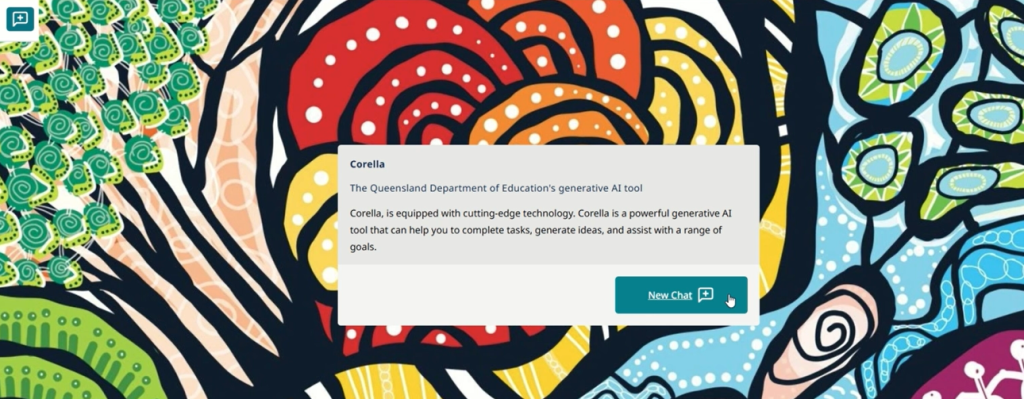
Corella AI is a $1.5 million chatbot program developed in-house by the Queensland Department of Education. So far, access has been limited to Year 9 and 10 students, with parental consent required. From June, Year 7 and 8 students will also be brought on board, and the department is in discussions with the Queensland Curriculum and Assessment Authority about integrating the program into senior schooling.

Education Minister John-Paul Langbroek described Corella as a tool for the future, saying the rollout was designed to help students engage with AI responsibly and think critically about the information they encounter.
According to the department, students will be able to use Corella to brainstorm ideas, check, draft and revise work, conduct research, and summarise information. Because the software is hosted on the department’s own infrastructure, the department says students can safely upload material they would ordinarily access in the classroom.
For teachers, the picture looks somewhat different. Corella gives staff access to training modules that support lesson planning and the creation of assessment tasks, though it cannot be used for grading. Dr Rowe sees real value in this: when AI handles time-consuming administrative work like building assessment rubrics, teachers can redirect that effort toward activities that more directly benefit their students.


Not everyone feels the rollout has been handled transparently. P&Cs Queensland, the peak body for parents and citizens associations, released a formal position on AI in schools this week. Chief executive Timothy Horne said parents feel they have not yet been brought into the conversation, and that while there is genuine interest in AI among Queensland families, there is also real concern about how much the technology is creeping into the classroom.
Read: Speed Awareness Monitors Back on Duty as Nundah Students Return to School
For families in Nundah, Banyo, and the surrounding suburbs, the Corella expansion is worth keeping a close eye on. With an AI in education expert based right here at ACU’s Banyo campus, the local community is well placed to be part of the broader conversation about what responsible AI in schools actually looks like.
Published 25-May-2026