




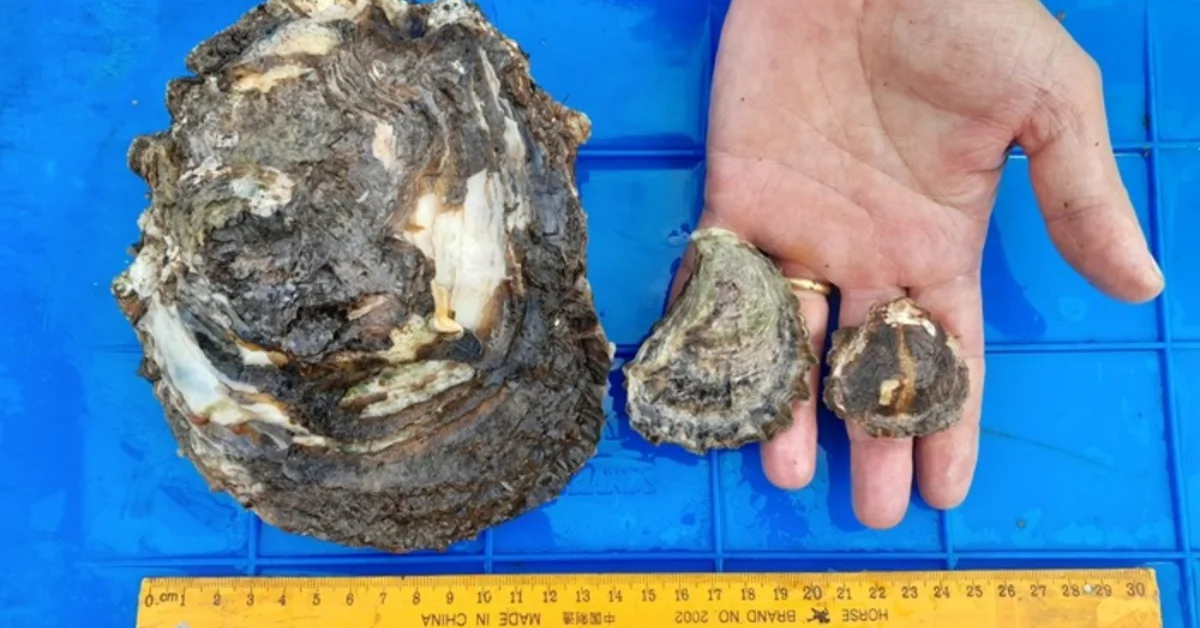
Boaties and waterway users in Pinkenba are being urged to take extra precautions as biosecurity warnings intensify to limit the spread of an invasive oyster species detected in nearby waterways.
Increased Vigilance at Pinkenba Access Points
Large biosecurity warning billboards have been installed at boat ramps and marina areas around Moreton Bay, including locations linked to Pinkenba, as summer boating activity increases. The signage focuses on preventing the spread of the Suminoe oyster, also known as the Chinese river oyster, which has been detected in Boggy Creek near the mouth of the Brisbane River at Pinkenba.

The alerts are part of a broader effort to raise awareness during peak vessel movement, when the risk of transferring marine pests between waterways is highest.

Background and Detection History
The Suminoe oyster was first detected in Australia in June 2023 within the Bribie Island canal system. Since then, confirmed detections have occurred in several waterways along the western and northern edges of Moreton Bay, including the Brisbane River, Kedron Brook and Boggy Creek at Pinkenba.

While no detections have been confirmed in the southern reaches of the bay, authorities remain concerned that increased summer traffic could introduce the species to new areas.

Why the Oyster Is a Concern
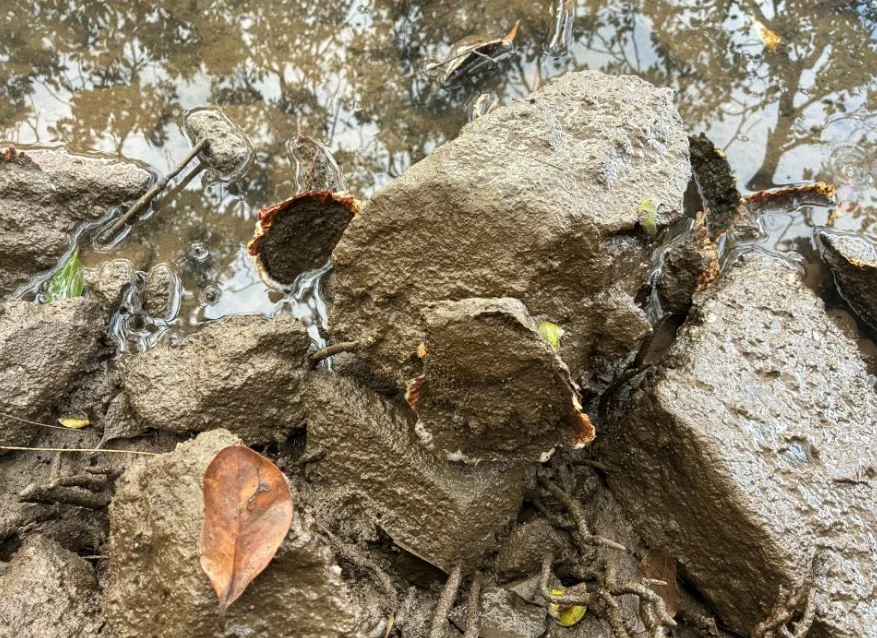
The Suminoe oyster is a fast-growing invasive species that can reach up to 24 centimetres in length. It can be difficult to distinguish from native oysters until it reaches maturity and is known to attach to hard surfaces such as boat hulls, anchors, ropes, pontoons and trailers.
The species is classified as a biosecurity matter under Queensland law. It is illegal to collect, eat or use the oyster as bait, with warnings that it can accumulate heavy metals and pollutants, particularly in urban waterways such as those around Pinkenba.

Management Approach and Responsibilities
Authorities have determined the oyster cannot be eradicated and are instead focusing on containment and long-term monitoring. This approach relies heavily on compliance from recreational and commercial waterway users.


Under existing biosecurity obligations, boaters are required to take reasonable and practical steps to prevent the oyster’s spread. This includes cleaning vessels and equipment before moving between locations and reporting suspected sightings.
Reporting and Next Steps
Suspected sightings of the Suminoe oyster must be reported to Biosecurity Queensland to support ongoing monitoring and mapping of affected areas. The current billboard campaign will continue through the summer period as boating activity remains high across Moreton Bay.
Authorities say limiting further spread around Pinkenba and surrounding waterways is critical to reducing potential environmental and economic impacts in the future.
Published 13-Jan-2026