How Campus Life Helps Young Adults with Disability Transition to Work and Study

Campus Life, a program operating from Australian Catholic University’s campus in Banyo, is quietly revolutionising what’s possible for young people with disability, creating pathways to employment and further study where few existed before.

Read: New Campus Hub to Support ACU Students and Staff in Banyo


Bringing small groups of young adults with disability together each week for activities designed to build confidence, skills and independence, the initiative has become the flagship program of the Centre for Inclusive Supports Inc charity.

The program’s origins lie in a mother’s determination to create better opportunities for her son. When Kathy Harris looked at what awaited her son Rory after he finished special school, she was disappointed by what she found. The available options were limited, with many programs offering what she characterises as adult minding rather than genuine preparation for work or further study.

Harris decided to design something different. What began as a six-month research project with six participants in 2021 has evolved into a comprehensive three-year program that’s changing lives.

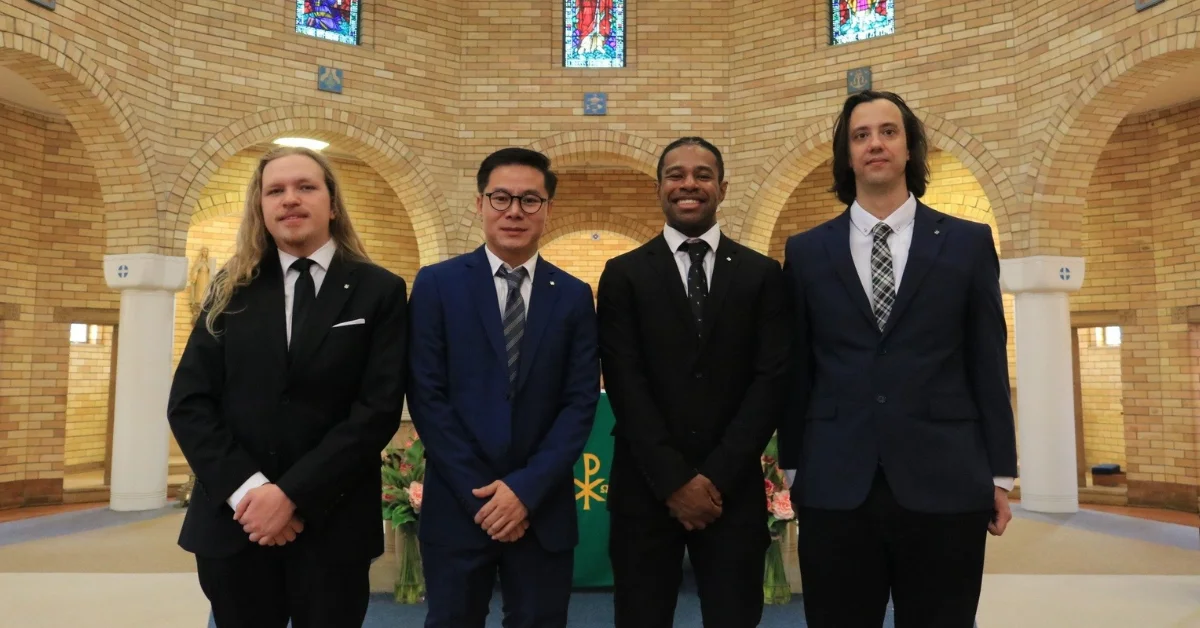
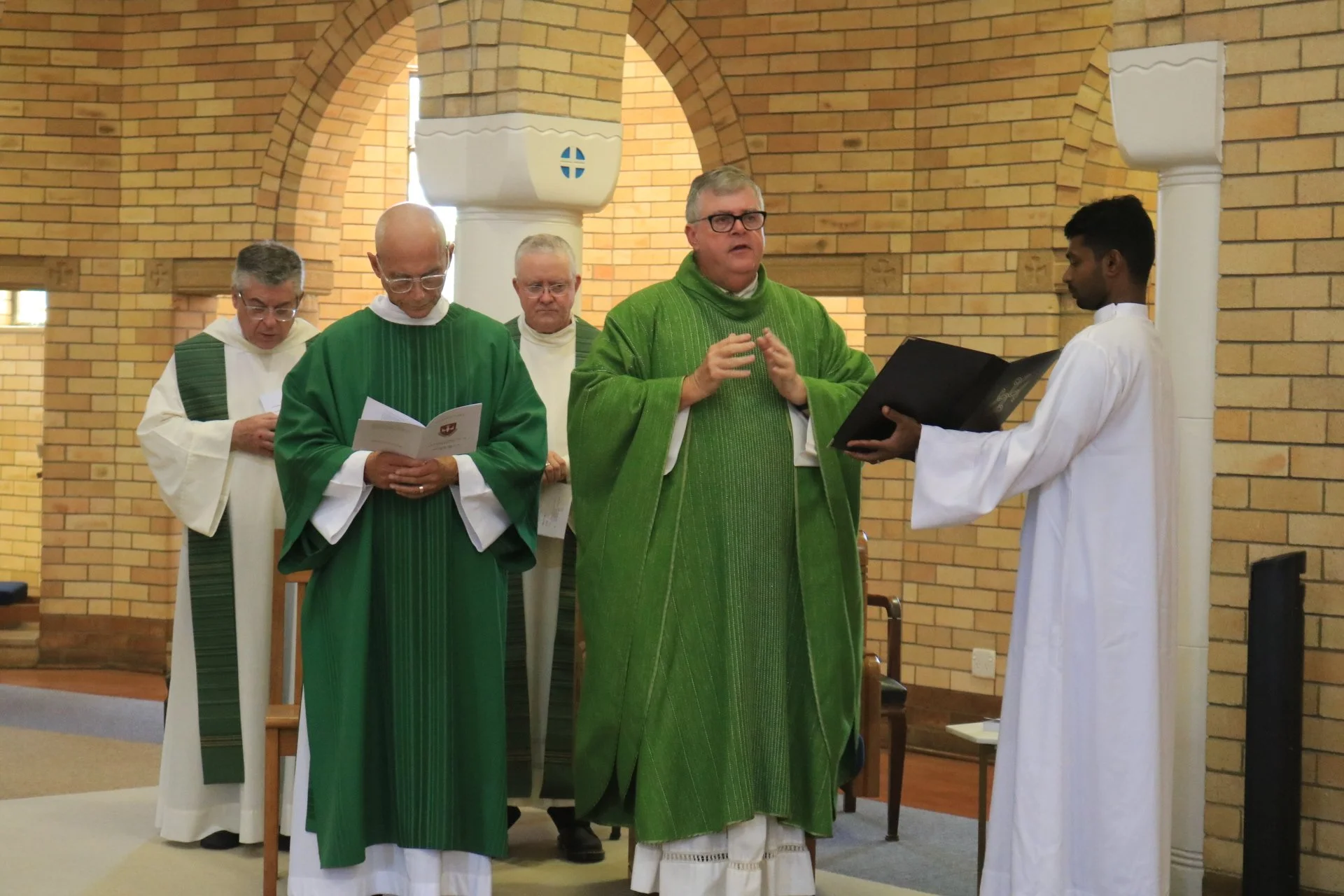
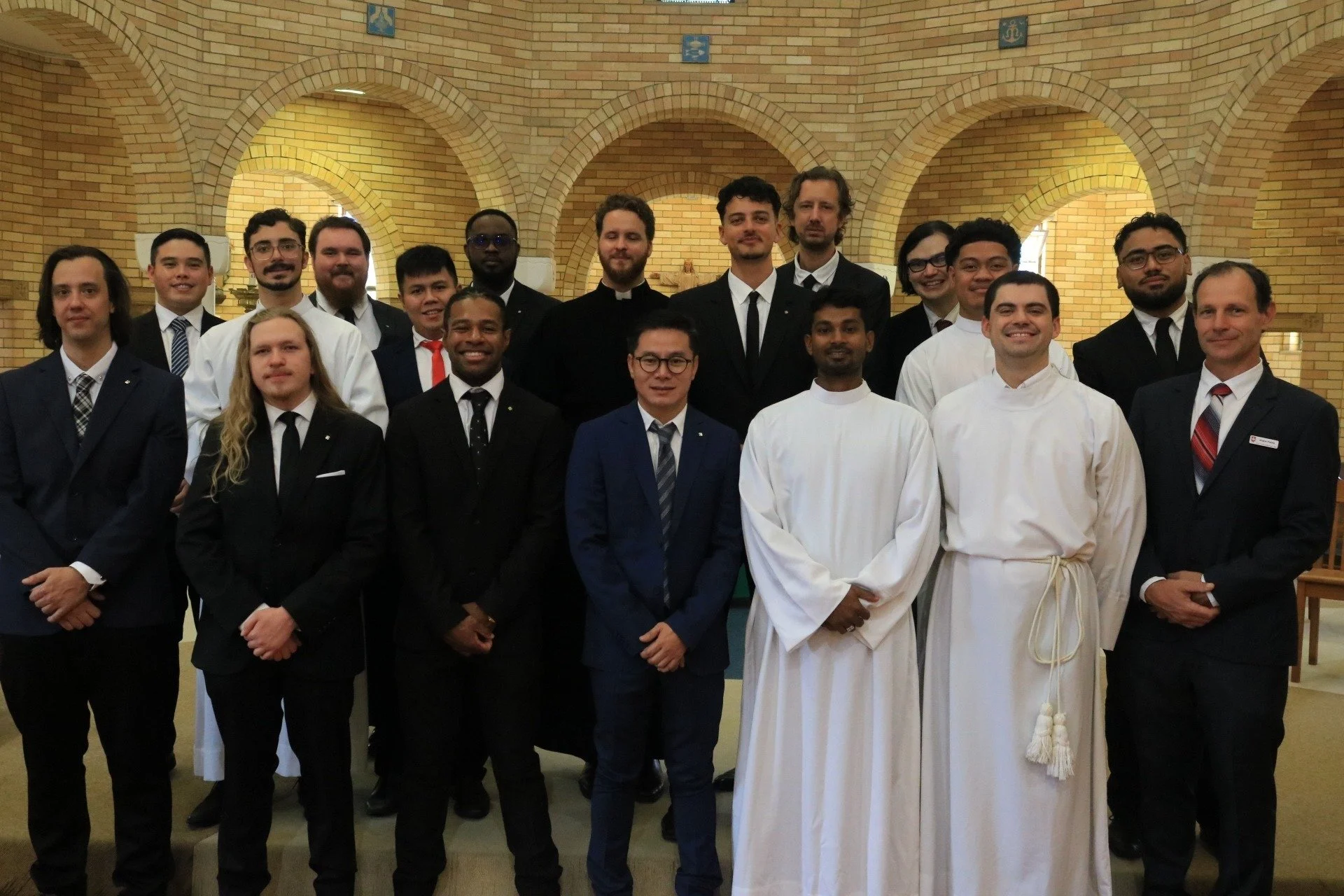
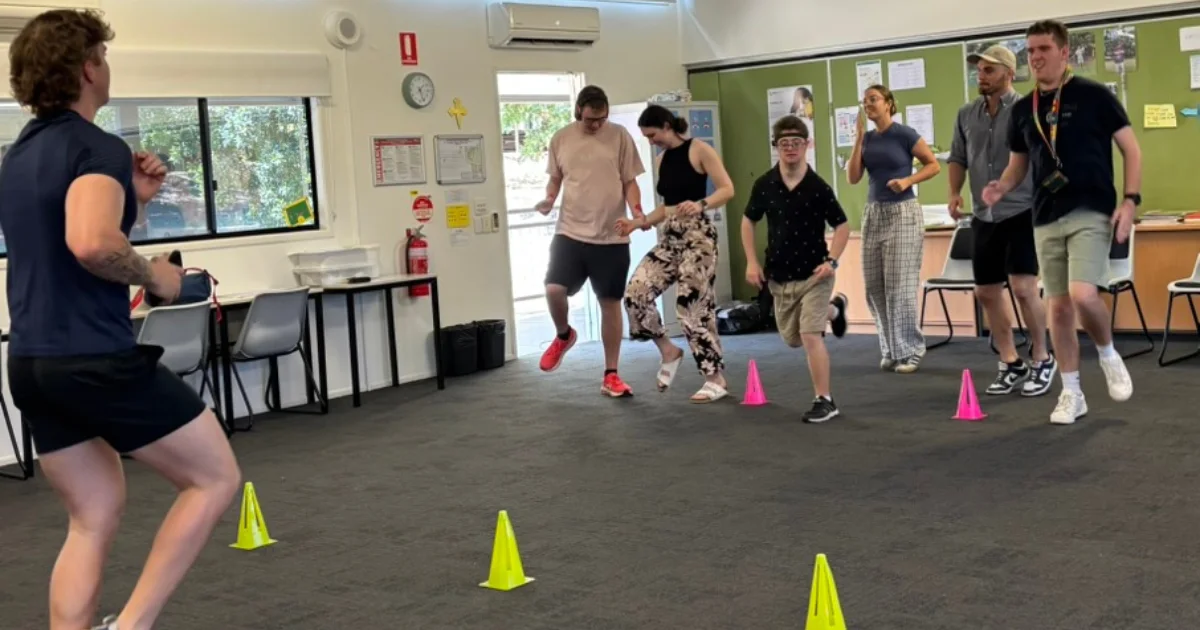
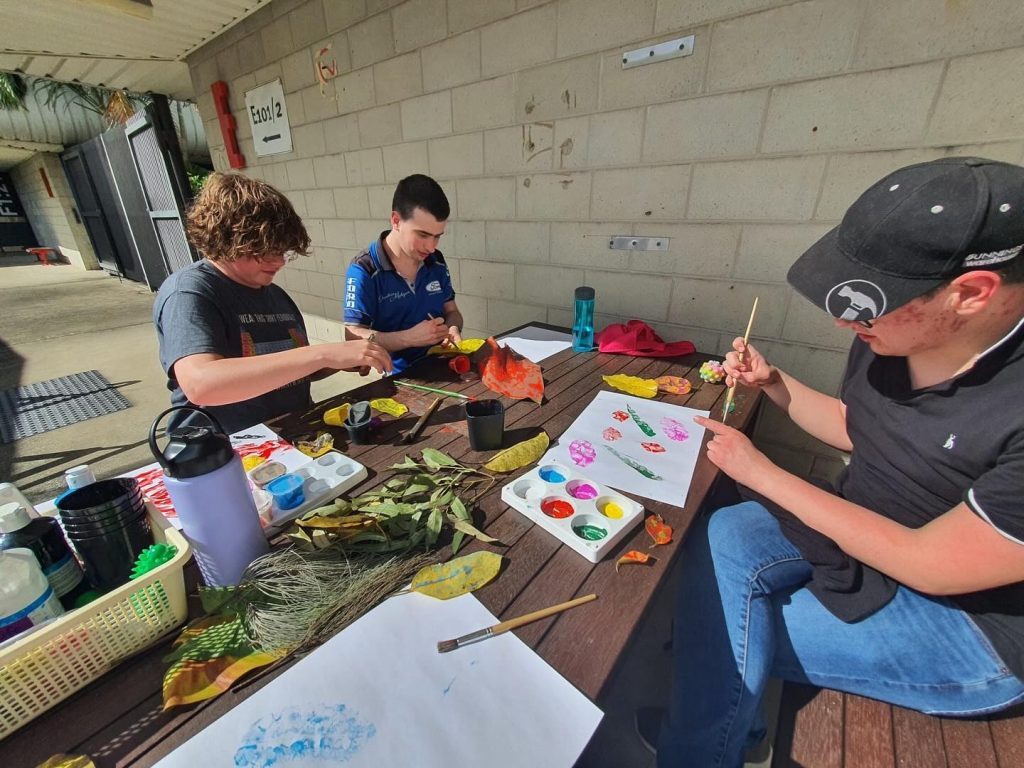
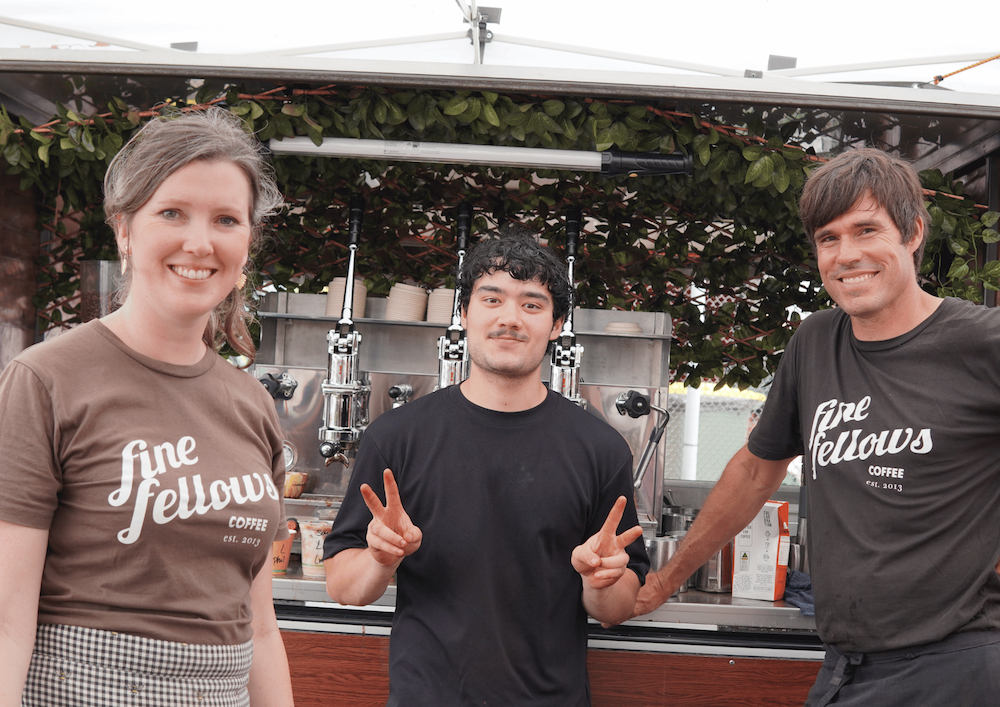
Campus Life participants engage in diverse activities including speech and music therapy, learning content from first-year business courses, and attending exercise classes. The campus setting provides an authentic tertiary education environment, helping participants envision themselves as university students or workers rather than perpetual program attendees.

Photo credit: Facebook/Campuslife

The partnership with ACU has proven particularly valuable. University students volunteer to run exercise sessions and lead activities during their semesters, creating meaningful connections between the Campus Life participants and the broader student community. Harris describes the collaboration as wonderful, noting that genuine friendships have developed between the two groups.

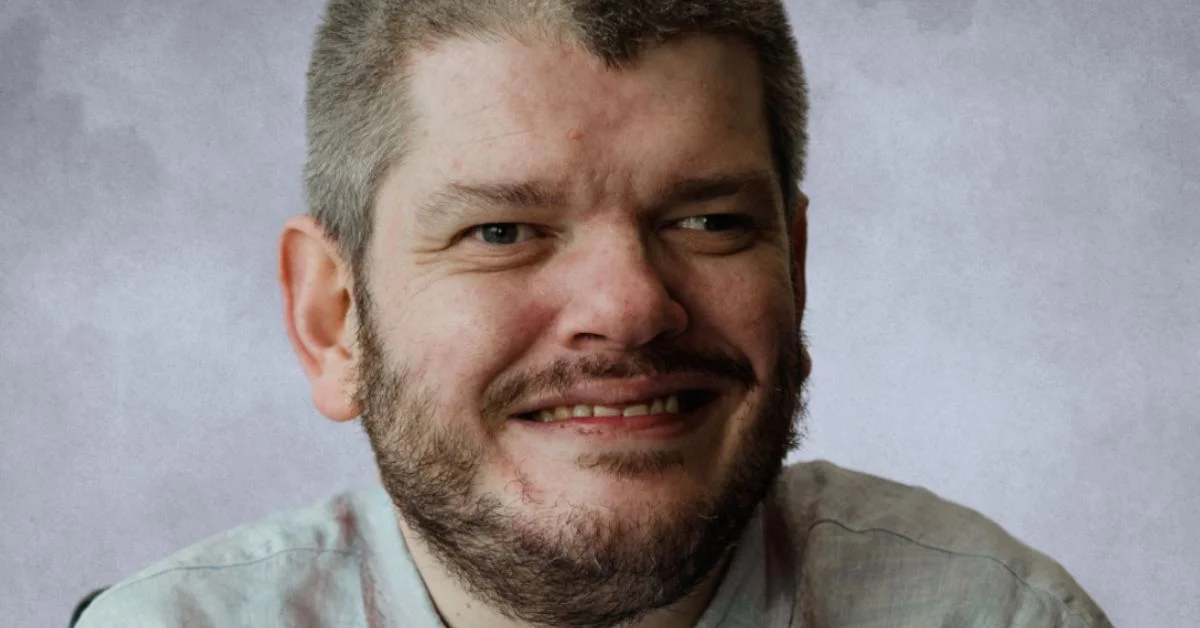
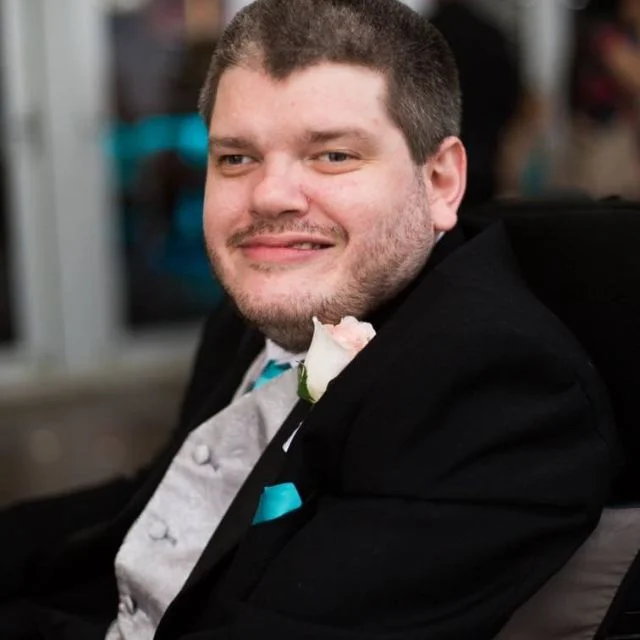
For Rory Harris, now 22, the program opened doors he didn’t know existed. He was part of that first cohort in 2021 and says, using a text-to-speech device, that there really were no other options available. His favourite aspect of Campus Life has been making new friends—a benefit that research has confirmed as one of the program’s most important features. Studies conducted with Autism Spectrum Australia and Griffith University found that the friendships formed during the program were crucial to participants’ development.

Since graduating from Campus Life, Rory has transitioned into work programs where he makes items to sell in a shop. He also works in a games library connected to the charity. His mother has observed significant changes in long-term participants, including improved confidence, enhanced problem-solving abilities and developed work skills. Some participants have even shown physical improvements, with young men who previously struggled with walking and navigating stairs growing noticeably stronger through the program’s exercise components.

The emotional impact on families has been profound. Harris recalls one parent expressing shock and delight that their youngest son could attend university just as their eldest had done—something they’d never imagined possible.

Photo credit: Facebook/Campuslife

The need for programs like Campus Life is becoming increasingly urgent. Recent research from Griffith University reveals a troubling trend: a statistically significant decline in education and training opportunities for people with disability over the past three years. The Voice of Queenslanders with Disability report found that just over 50 per cent of participants with disability could access courses and training with support in 2025—a 15 per cent decrease since 2023.


Read: Banyo’s Holy Trinity Church Honours Val Stafford After Decades Of Service


Given that more than 290,000 Australians have an autism diagnosis and are six times more likely to be unemployed than people without disability, according to the national autism strategy released last year, initiatives like Campus Life represent more than just a nice idea—they’re a necessary response to a significant gap in support services.

For Harris, the most rewarding moments come when participants become restless near the end of the program—not from dissatisfaction, but because they’re ready for their next challenge. It’s a sign that Campus Life has done its job, preparing young people to move forward into employment, further study or other opportunities. Watching different pathways open up for young people who once had so few options has been, she says, genuinely exciting.

Published 15-January-2026

Biosecurity Oyster Warnings Intensify in Pinkenba

Boaties and waterway users in Pinkenba are being urged to take extra precautions as biosecurity warnings intensify to limit the spread of an invasive oyster species detected in nearby waterways.


Increased Vigilance at Pinkenba Access Points

Large biosecurity warning billboards have been installed at boat ramps and marina areas around Moreton Bay, including locations linked to Pinkenba, as summer boating activity increases. The signage focuses on preventing the spread of the Suminoe oyster, also known as the Chinese river oyster, which has been detected in Boggy Creek near the mouth of the Brisbane River at Pinkenba.

The alerts are part of a broader effort to raise awareness during peak vessel movement, when the risk of transferring marine pests between waterways is highest.

Suminoe oyster
Photo Credit: QLD Gov

Background and Detection History

The Suminoe oyster was first detected in Australia in June 2023 within the Bribie Island canal system. Since then, confirmed detections have occurred in several waterways along the western and northern edges of Moreton Bay, including the Brisbane River, Kedron Brook and Boggy Creek at Pinkenba.

While no detections have been confirmed in the southern reaches of the bay, authorities remain concerned that increased summer traffic could introduce the species to new areas.

biosecurity alert
Photo Credit: QLD Gov

Why the Oyster Is a Concern

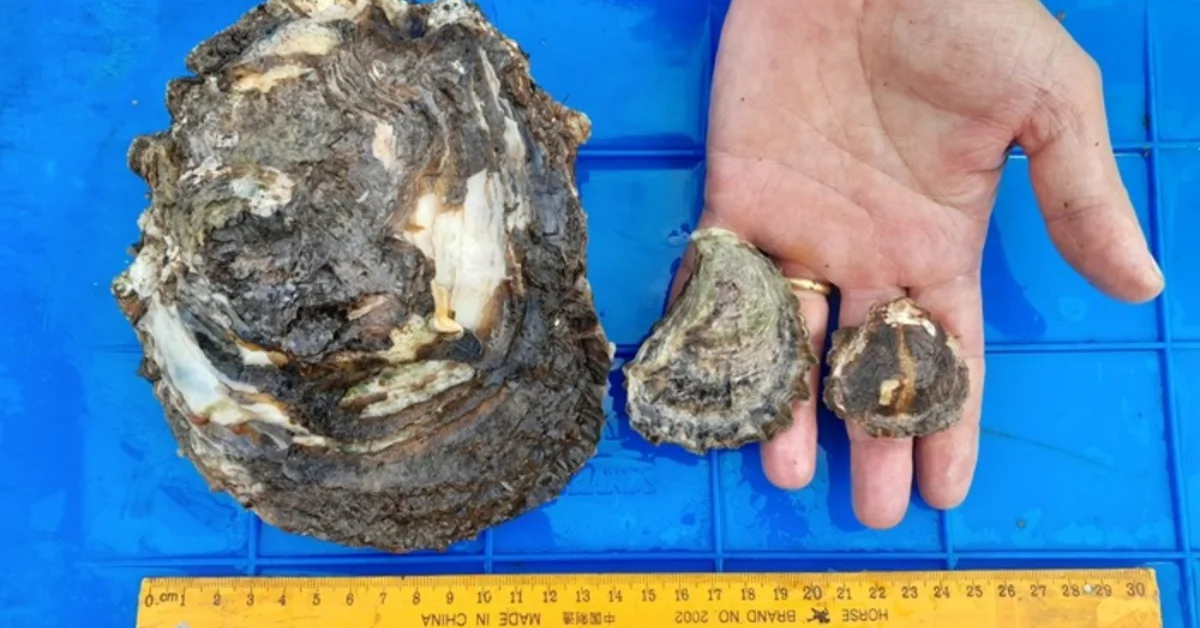
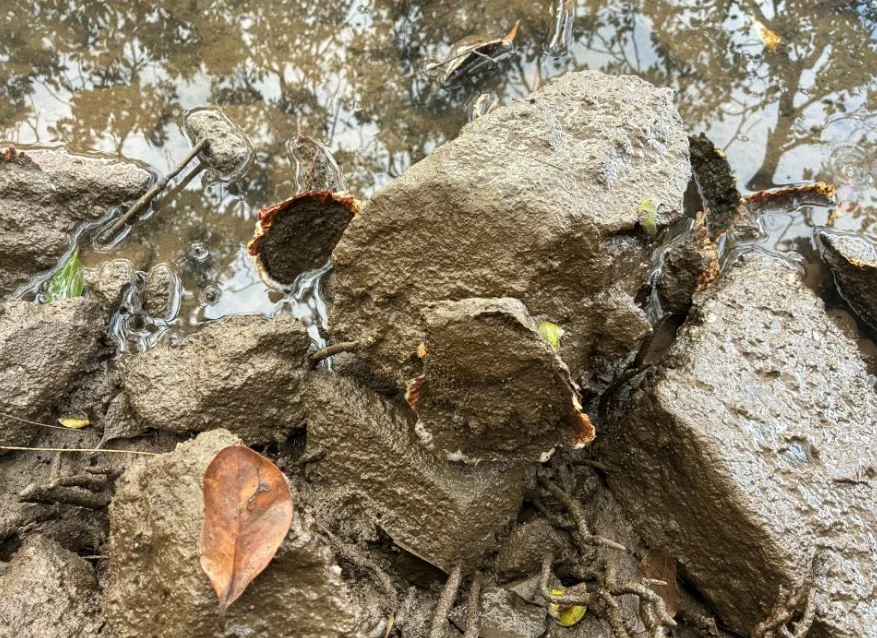
The Suminoe oyster is a fast-growing invasive species that can reach up to 24 centimetres in length. It can be difficult to distinguish from native oysters until it reaches maturity and is known to attach to hard surfaces such as boat hulls, anchors, ropes, pontoons and trailers.

The species is classified as a biosecurity matter under Queensland law. It is illegal to collect, eat or use the oyster as bait, with warnings that it can accumulate heavy metals and pollutants, particularly in urban waterways such as those around Pinkenba.

Pinkenba oyster alert
Photo Credit: QLD Gov

Management Approach and Responsibilities

Authorities have determined the oyster cannot be eradicated and are instead focusing on containment and long-term monitoring. This approach relies heavily on compliance from recreational and commercial waterway users.

Under existing biosecurity obligations, boaters are required to take reasonable and practical steps to prevent the oyster’s spread. This includes cleaning vessels and equipment before moving between locations and reporting suspected sightings.

Reporting and Next Steps

Suspected sightings of the Suminoe oyster must be reported to Biosecurity Queensland to support ongoing monitoring and mapping of affected areas. The current billboard campaign will continue through the summer period as boating activity remains high across Moreton Bay.


Authorities say limiting further spread around Pinkenba and surrounding waterways is critical to reducing potential environmental and economic impacts in the future.

Published 13-Jan-2026

Why Sundays Feel Different When Nundah Markets Are Back

If you’ve ever wondered where your Nundah neighbours disappear to early on Sunday mornings, chances are they’re heading to Station Street. Before most people have finished their first coffee at home, the area is already stirring. There’s the smell of bread in the air, familiar faces stopping mid-walk to chat, and the low hum of a neighbourhood waking up together. 


This Sunday, 11 Jan, that ritual returns as Nundah Farmers Markets reopen for the year. After the summer break, the markets resume from 6:00 a.m. to midday, returning to their usual spot near the train station.

Photo Credit: Supplied

For locals, it’s less about an event and more about routine — the place you run into your neighbour, grab fruit for the week, and let the kids wander between stalls while someone strums a guitar nearby.

Photo Credit: Supplied

The stalls themselves are familiar. Growers from across South East Queensland unload crates of produce picked only days earlier. Bakers sell out early, coffee cups are passed hand to hand, and regular food vendors return to their usual corners. It’s the kind of place where stallholders remember what you bought last time, or ask how your mum’s been.

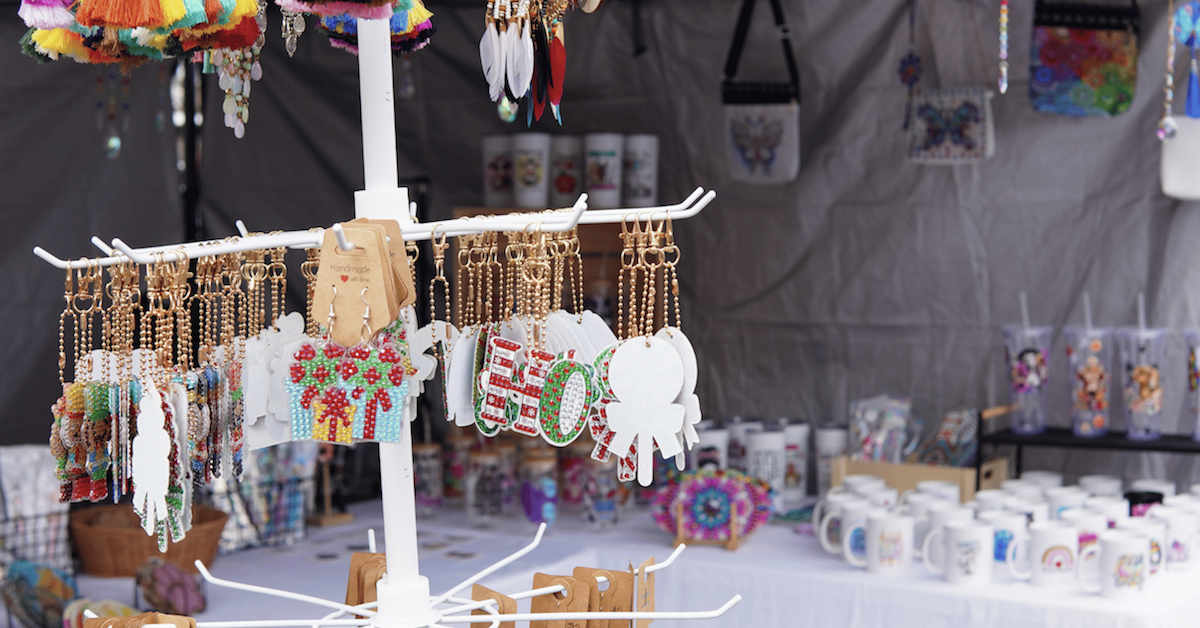
But the markets aren’t only about what’s for sale. They’ve long acted as a meeting point for the suburb, especially for those who might not otherwise cross paths during the week. Artists, plant growers, craftspeople and alternative therapy practitioners set up side by side, creating a space that feels informal and unhurried.

Photo Credit: Supplied

Live music drifts through the street most Sundays, never loud enough to drown out conversation. People linger longer than they plan to. Shopping bags get heavier, schedules get pushed back.

As 2026 begins, the return of the markets marks a small but meaningful reset — a reminder that community still happens face-to-face, early on a Sunday, over coffee and conversation.

The markets will now run every Sunday from 6:00 a.m. to 12:00 p.m. on Station Street, Nundah, with free entry.


Published 8-Jan-2026

Nudgee Old Boy Jacob Elordi: The Win You Didn’t See

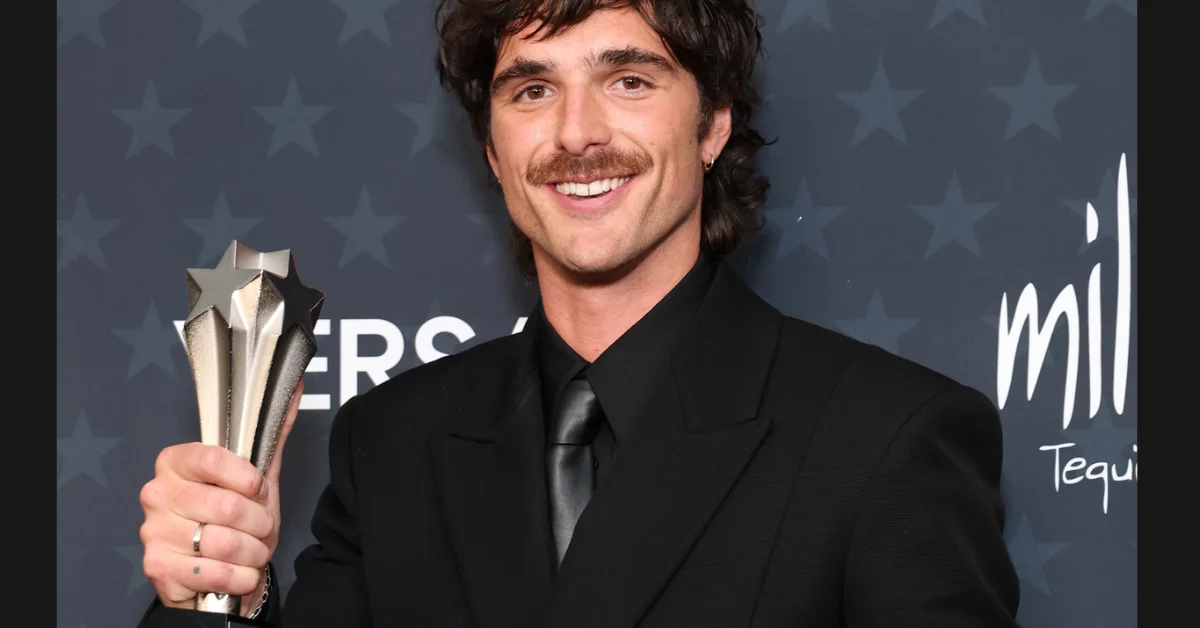
St Joseph’s Nudgee College Old Boy Jacob Elordi has secured his first major international acting prize, starting 2026 with a bang by winning Best Supporting Actor at the Critics’ Choice Awards. The honour marks a significant career milestone — but for friends, family and fans back home, the more compelling story lies behind the headlines.

What transpired at the awards stage was brief. What led to that moment was anything but.


Critics’ Choice Recognition

The 31st Critics’ Choice Awards were held on 4 January 2026 at the Barker Hangar in Santa Monica, California, officially opening the annual film and television awards season. Elordi emerged as one of the night’s key winners, taking out Best Supporting Actor in a competitive category.

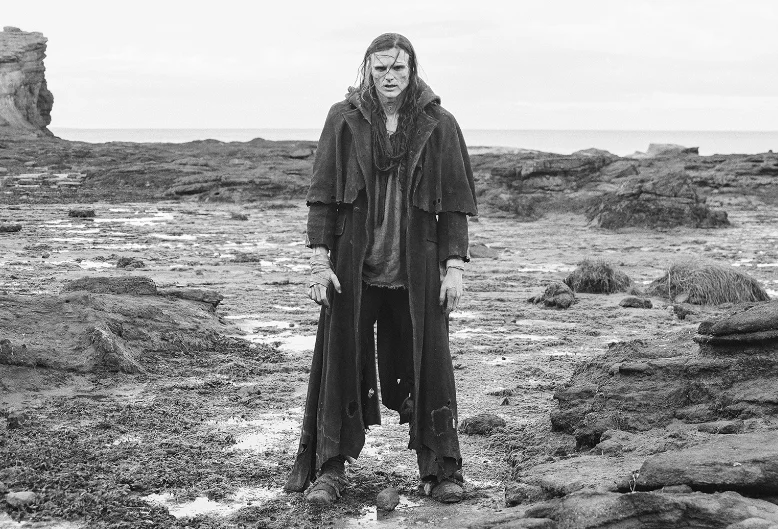
The award was presented for his performance as the Creature in Frankenstein, directed by Guillermo del Toro. The result marked Elordi’s first major acting award at an international ceremony, representing a significant career milestone.

Elordi’s win came as Frankenstein emerged as one of the night’s most recognised films, also collecting multiple technical awards including costume design, hair and makeup, and production design — categories that underscore just how collaborative his performance was.

The film’s success reflected strong critical support, particularly for its visual presentation and production craftsmanship. Elordi’s performance was selected from a field that included several established international actors, underscoring growing recognition for his work in complex, character-driven roles. Other Australian winners included Sarah Snook who won Best Actress in a Limited Series or Movie Made for Television for All Her Fault.

The Critics’ Choice Awards are widely regarded as a strong indicator of momentum ahead of other major industry ceremonies later in the year. With Frankenstein securing multiple awards, the film has emerged as one to watch as the awards season progresses.

From striped blazer to stitched-together Creature

Long before red carpets and awards-season momentum, Elordi was known locally as a student at St Joseph’s Nudgee College — a connection that has resurfaced repeatedly as his career has accelerated. Recent local coverage highlighted old school images circulating through the Nudgee Old Boys network: blazer-era Elordi, instantly recognisable to classmates, now contrasted with one of the most physically demanding roles of his career.

Jacob Elordi then and now
Photo Credit: Facebook/St Joseph’s Nudgee College

In Frankenstein, he is almost unrecognisable. The leap from north-side school corridors to gothic cinema is stark, and it frames just how far the journey has travelled — not just in distance, but in discipline.

The win you didn’t see: the work behind the role

Awards rarely account for endurance. In this case, it mattered.

Frankenstein was among the most recognised films of the night, collecting multiple Critics’ Choice Awards across technical categories. Alongside Elordi’s acting win, the film also received honours for costume design, hair and makeup, and production design.

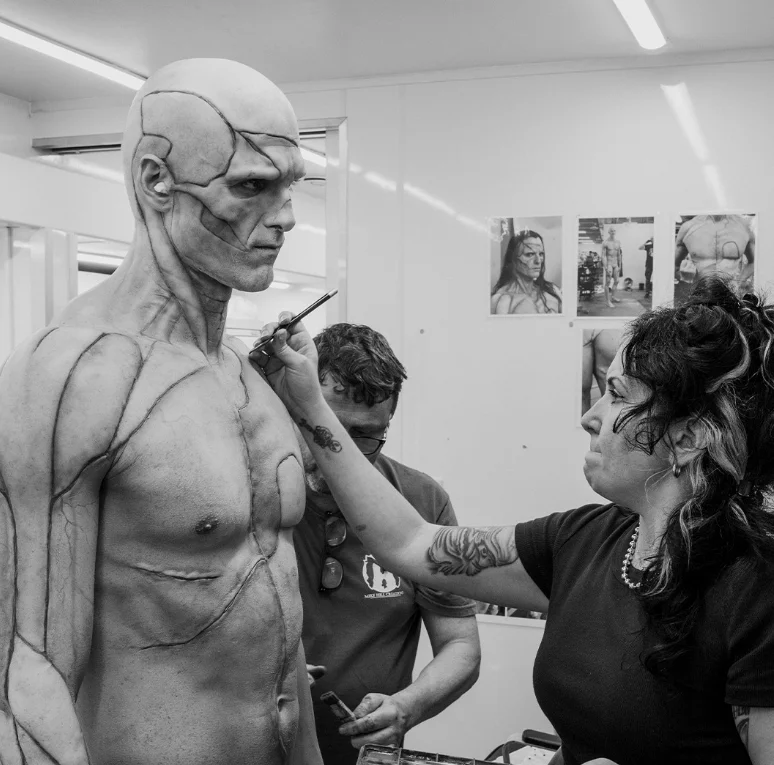
Elordi reportedly underwent full-body prosthetic applications around 20 times, with approximately 42 separate prosthetic pieces used to construct the Creature’s appearance. Only small parts of his face — the tip of his nose, upper lip and chin — remained uncovered.

Frankenstein film
Photo Credit: Frankenstein Film/Facebook

Those sessions ran for hours. Rather than treating them as downtime, Elordi used the stillness to work on character. The performance was built slowly, piece by piece, long before critics took notice.

Before the spotlight: a north-side theatre kid

Earlier reporting traced Elordi’s beginnings not to overnight fame but to theatre — the kind of acting shaped by repetition, restraint and unglamorous work. Before screen recognition, he was described as a theatre kid from Brisbane’s north side, drawn to performance well before Hollywood attention arrived.

That background helps explain the patience required for Frankenstein. Long shoots, heavy prosthetics and limited movement demand a performer comfortable with process rather than immediacy — a sensibility often forged years before success.

From uncredited extra to international recognition

One early career detail still surprises casual fans: Elordi once appeared as an uncredited extra in Pirates of the Caribbean: Dead Men Tell No Tales. Blink and you would have missed him.

Viewed now, that moment reads less as trivia and more as a marker. The path from background appearances to international awards wasn’t sudden. It was cumulative — shaped by persistence rather than momentum.


A creative reset, quietly decisive

Elordi has previously described Frankenstein as a creative reset — a project that reminded him why he wanted to make films in the first place. That framing matters.

Critics Choice Awards
Photo Credit: Frankenstein Film/Facebook

Rather than leaning into familiarity, the role demanded discomfort: physical restriction, emotional economy and a character defined as much by silence as speech. The result was a performance that stood apart in a crowded awards field — not louder, but more deliberate.

What travels home

Jacob Elordi Critics’ Choice
Photo Credit: Frankenstein Film/Facebook

Director Guillermo del Toro reportedly praised Elordi’s efficiency on set, noting that many scenes required no more than two takes. Just as telling were accounts that he never complained during lengthy prosthetics sessions — professionalism that resonated through the production.

Back home, that work ethic has been quietly followed. Alumni networks have tracked his progress not as celebrity spectacle, but as a long-form story of someone who kept showing up, role by role.

The trophy may have been handed over in California, but the habits that earned it were shaped much closer to home.

Published 7-Jan-2026

Retired Aircraft Tail to Feature in New Plane Viewing Area for Brisbane Airport Centenary

As part of its 100th anniversary celebrations, a new plane spotting area anchored by a retired aircraft tail is planned within the Brisbane Airport precinct, with improved viewing conditions designed for aviation enthusiasts and visiting families.


Centenary Plans Drive New Viewing Precinct

Brisbane Airport has announced plans for a new plane spotting precinct as part of its centenary celebrations. The project responds to increasing public interest in watching aircraft operations up close.

The new facility will be positioned south of the existing viewing platform, which will close temporarily while construction is underway.

Nundah plane spotting area
Photo Credit: Brisbane Airport

Retired Aircraft Forms Central Feature

The centrepiece of the viewing area will be the tail of a decommissioned Fokker F28 Fellowship. The 50-year-old aircraft tail was donated by Aviation Australia.

The installation creates a historical connection to another Fokker aircraft on display at Brisbane Airport, the Southern Cross, reinforcing the site’s aviation heritage.

Clearer Views of Aircraft Movements

The elevated platform will be located closer to the Zulu and Yankee taxiways than the current viewing area. This positioning is expected to provide less obstructed views of aircraft taxiing to and from the western runway.

Visitors will also be able to see aircraft landing and departing on the eastern runway, offering broader coverage of airport activity from a single location.

Facilities Designed for Visitors

Plans include shade and shelter, along with seating to improve comfort for families and photographers. The layout is intended to support longer visits and regular plane-spotting activity.

Brisbane Airport
Photo Credit: Pexels

Longstanding Interest From Plane Spotters

Long-time plane spotters have welcomed the announcement, noting the opportunity to be closer to aircraft movements. Some regular visitors have followed aviation activity at the airport since its earlier operations at Eagle Farm.

Construction Timeline and Opening

Construction is scheduled to take place in 2026 and will require about 927 cubic metres of fill to establish the foundations. The existing viewing area will be closed during this period.


Brisbane Airport expects the new plane spotting precinct to open in 2026, with one report indicating the opening will occur in the second half of the year.

Published 27-Dec-2025

Nudgee Alumnus Jacob Elordi Leads Australian Charge at Golden Globes

St Joseph’s Nudgee College is celebrating one of its own after former student Jacob Elordi secured two prestigious Golden Globe nominations, cementing his place as a leading figure in international cinema.


A Local School’s Pride

The Brisbane school’s Old Boys’ Association recently shared a photo of Elordi from his school days to highlight his journey from a local student to a global star. In the picture, a young Elordi is seen smiling in his blue-and-white striped blazer, a stark contrast to the gritty roles he is now famous for. 

The association posted the image on its community network, expressing how proud the school is of his achievements. Elordi grew up in Brisbane and considered himself a “theatre kid” before heading to America as a teenager to chase his acting dreams.

Bringing the Creature to Life

Elordi’s nomination for best supporting male actor comes from his role in the movie Frankenstein, where he plays the famous Creature. This performance required a massive physical change. Makeup artist Mike Hill explained that he applied full-body prosthetics to the actor about 20 times. The process used 42 different pieces, including fake teeth and a reshaped brow. Hill noted that only the tip of Elordi’s nose, his upper lip, and his chin were visible, while the rest was rubber. Despite the long hours in the makeup chair, Hill said Elordi never complained and used the quiet time to focus on his character.

The film’s director, Guillermo del Toro, praised the Australian actor’s skill on set. Reports state that del Toro said Elordi rarely needed more than two takes to get a scene right. Elordi has described this role as a chance to put his own experiences into his work, calling it a creative reset that made him love movies again.

Aussies Take on the Awards

Elordi also received a nomination for his role in the TV series The Narrow Road to the Deep North, which is based on a book by Richard Flanagan. 

He is not the only Australian hoping to win at the 83rd Golden Globes. Other Australian stars are also in the running. Rose Byrne is nominated for best female actor in a musical or comedy for If I Had Legs I’d Kick You. Joel Edgerton is up for best male actor in a drama for Train Dreams, and musician Nick Cave is nominated for Original Song in the same film. Sarah Snook is competing for a best actress award for the series All Her Fault.


Changes in the Industry

While Australian talent shines, the awards season is happening during a time of big business changes in Hollywood. Netflix recently made a deal to buy Warner Bros. Discovery, but Paramount has challenged this with a cash offer to shareholders. Amidst these shifts, the Golden Globes ceremony has moved to CBS with a new voting body of over 300 people. Comedian Nikki Glaser will return to host the event. For the first time, the ceremony will also include a trophy for the best podcast.

Published Date 22-December-2025

Port of Brisbane Marks 500th Cruise Ship Call in Pinkenba

The Brisbane International Cruise Terminal recorded its 500th cruise ship visit since opening, a major milestone for the Port of Brisbane in Pinkenba.


Milestone Arrival At Pinkenba Terminal

The milestone was marked on Sunday, 14 December 2025, with the arrival of Carnival Luminosa at the Brisbane International Cruise Terminal. The vessel became the 500th cruise ship to call at the terminal since operations began in 2022.

The terminal welcomed its first cruise ship on 2 June 2022. Since then, it has hosted vessels from many of the world’s major cruise lines, supporting both domestic and international cruise routes.

Growth Since Opening

In just over three and a half years of operation, the terminal has handled more than 2.5 million passenger movements. Cruise operations have continued through a range of operational conditions, including a cyclone experienced earlier in 2025.

Each cruise ship visit involves a coordinated operational effort, with around 130 staff and partner personnel supporting arrivals, departures and passenger processing.

Economic Contribution Of Cruise Activity

Each cruise ship call at the Pinkenba terminal contributes more than $1 million in economic value to Queensland. Over a ten-year period from the 2024 financial year, the total contribution is forecast to reach around $1.5 billion.

Cruise itineraries departing from Brisbane also include visits to other Queensland destinations, extending tourism and economic activity beyond the city.

Community Sentiment Around Access

Community feedback following the milestone highlighted strong support for terminal staff and onboard operations. Passengers frequently praised staff assistance and terminal organisation.

At the same time, comments raised ongoing concerns about road congestion and limited public transport access to and from the Pinkenba terminal, particularly during peak cruise periods.

Looking Ahead


The 2025–26 cruise season is expected to bring more than 140 cruise ship calls to the Brisbane International Cruise Terminal, involving 11 cruise lines and including nine first-time visiting vessels.

Published 21-Dec-2025

Hartley Farmhouse Remains a Rare Link to Banyo’s Rural Past

Hartley Farmhouse in Banyo has stood for more than a century, one of the few surviving farmhouses in the suburb and a reminder of when the area was defined by small crop farms rather than houses.


Early Beginnings On Blinzinger Road

The farmhouse at 62 Blinzinger Road was likely built around 1905 for Harry Hartley, who had purchased the land in 1892. At that time, Banyo was attracting small farmers after the Virginia railway station opened in 1888, offering easier access to Brisbane markets. 

Photo Credit: Google Maps

The Hartleys established their home on just over two acres, part of a larger tract originally sold as bushland in the mid-1860s.

Subdivision And Growth

As the suburb grew, farmland gave way to residential streets. Members of the Hartley family helped shape the local street layout, with Hartley Street, Musgrave Road and Easton Street connected to their landholdings. 

Photo Credit: Google Maps

By the 1940s, after the Second World War, demand for housing rose and the family subdivided the remaining acreage into 32-perch lots. Some parcels were sold to private buyers while others were provided to the Nundah Baptist Church.

Changing Hands Through The Decades

Following the death of Harry Hartley in 1949, the farmhouse changed owners multiple times. Each owner left their mark, with modifications including the enclosure of a verandah in the 1950s. 

Despite these changes, the timber home with its corrugated iron roof retained much of its original form, offering a strong visual connection to Banyo’s early 20th century character.

Community Significance Today

Hartley Farmhouse is now protected on Brisbane City Council’s Local Heritage Register. Its listing in July 2003 recognises the building’s historical importance as evidence of the suburb’s transformation from farmland to suburbia. 


For locals, the farmhouse is more than just an old home. It is a rare reminder of how the community began, and why preserving such places matters for future generations.

Updated 19-December-2025

Brisbane Airport Metro Extension Study Faces Delays as New Bus Plan Proposed

A critical fifty-million-dollar investigation into extending the high-frequency Metro network to Brisbane Airport and major suburban hubs has yet to begin despite receiving funding approval.


Brisbane Airport
Photo Credit: Brisbane Metro

Nearly eight months have passed since the federal government agreed to fund a rapid business case for four proposed extensions. These routes would connect the city centre to Carseldine, Springwood, Capalaba, and the airport. While the money is ready, the actual work to assess these vital connections has not started.

Brisbane Lord Mayor Adrian Schrinner indicated that progress is happening behind the scenes. He noted that major engineering and construction firms have already shown interest in the project. According to Schrinner, the council is currently finishing agreements with state and federal authorities on how the business case will be managed and rolled out.

As the airport extension study waits for the green light, transport advocates are proposing a different solution to help commuters right now. The RACQ has suggested a network of “Metro Glider” services. These would be smaller, more agile electric buses designed to move people from suburban streets onto the main train and busway lines.

Brisbane Airport
Photo Credit: Brisbane Metro

RACQ general manager of advocacy Joshua Cooney viewed the expansion of the Brisbane Metro into the wider South East Queensland region as a quick and effective way to fix public transport gaps. He suggested that these smaller gliders could serve busy corridors that the larger Metro vehicles cannot reach. Areas like Lutwyche, South Pine, and Wynnum roads could benefit from these connectors.

The proposal also highlights the potential for gliders to link residents in Ipswich, Redcliffe, the Gold Coast, and Caboolture to their nearest train stations. Cooney explained that these vehicles could be on the road much faster than new train lines because they use existing roads and do not require heavy construction.


The push for expansion comes as the current Metro services see high passenger numbers. Since the M2 line between UQ Lakes and the Royal Brisbane and Women’s Hospital started early in the year, it has recorded more than 3.3 million trips. The M1 line, which runs from Eight Mile Plains to Roma Street, has also seen strong usage, with nearly one million trips since its launch in June.

Cooney noted that if the city gets this right, Brisbane could set a benchmark for urban planning that other growing cities might follow.

Published Date 18-December-2025

Final Race Meeting Marks End of an Era at Banyo’s Mick Doohan Raceway

North Brisbane’s long-running motorcycle facility in Banyo is preparing for its final race meeting as Mick Doohan Raceway closes after more than four decades of operation.


Four Decades of Operations

The raceway has hosted events under the management of the North Brisbane Junior Motor Cycle Club for more than four decades through short-term lease arrangements. The club has been directed to vacate the site by 15 December and continues working to find a new location.

Businesses and volunteers have supported the venue over the years, contributing to its long-running role in the sport.

Mick Doohan Raceway
Photo Credit: NBJMCC

Final North Brisbane Cup Field

The final meeting on 6 December features the last running of the North Brisbane Cup. More than 130 riders lodged entries before nominations closed.

Returning competitors include previous winner Jack Miller. The field also lists Ronan Jacobs, Rory McQualter, Cyshan Weale, Dale Borlase, Jordan Dall, Luke Bush and Ryan Douglas.

Former junior racers now competing in road racing — John Lytras, Harrison Voight and Billy Van Eerde — are also entered. Max Whale has returned from racing in the United States to participate.

Additional Categories and Junior Competition

Some riders will also race in the 2-Stroke and Pro 250 classes. Dirt Track Sidecars and the Pro Open Womens class are also on the programme.

Junior divisions remain a major part of the event. Riders aged 13 to under 16 will compete for the Cameron Pritchard Cup, established to honour a young club member who died last year.

Schedule and Venue Layout

Practice begins at 9:00 a.m., with racing from 11:00 a.m. Three rounds of heats and the repechages run through to sunset. Shoot-outs and a parade lap of past and present members will take place before the finals at around 7:00 p.m.

The venue includes a 450-metre dirt track and a 300-metre speedway track. Spectators can watch from the hillside area or from their vehicles. A canteen and a designated bar area operate on site.

Closure of a Long-Standing Banyo Facility


The final meeting signals the end of a significant chapter in the region’s motorcycle racing history. The club continues its efforts to secure a new venue beyond the closure of Mick Doohan Raceway.

Published 3-Dec-2025