




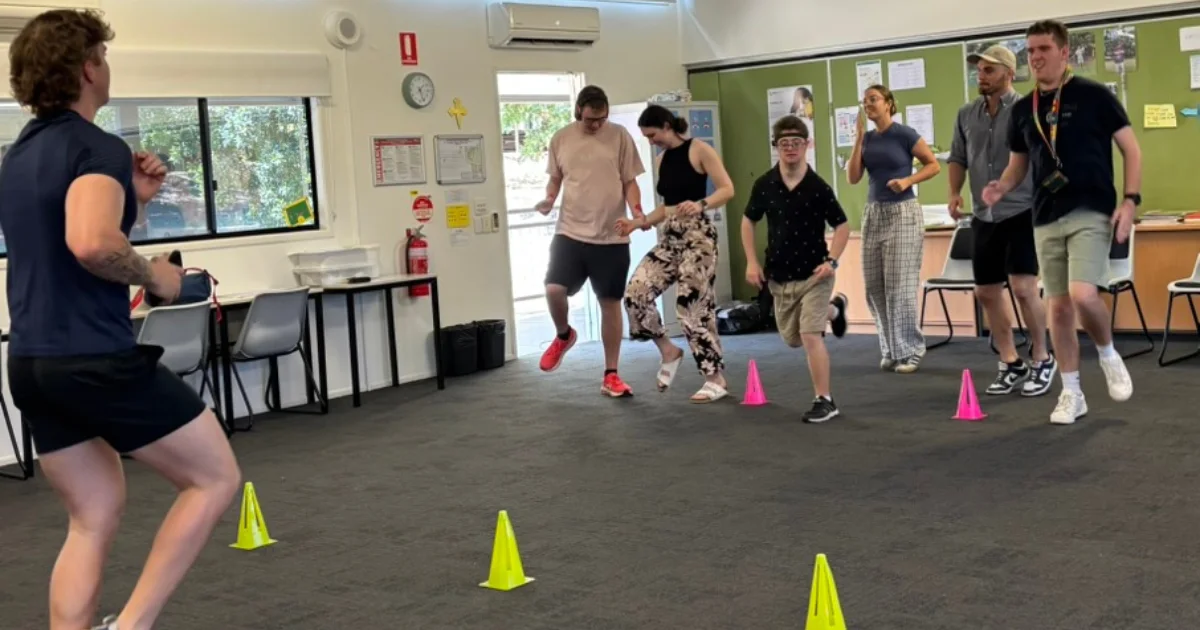
Campus Life, a program operating from Australian Catholic University’s campus in Banyo, is quietly revolutionising what’s possible for young people with disability, creating pathways to employment and further study where few existed before.
Read: New Campus Hub to Support ACU Students and Staff in Banyo
Bringing small groups of young adults with disability together each week for activities designed to build confidence, skills and independence, the initiative has become the flagship program of the Centre for Inclusive Supports Inc charity.

The program’s origins lie in a mother’s determination to create better opportunities for her son. When Kathy Harris looked at what awaited her son Rory after he finished special school, she was disappointed by what she found. The available options were limited, with many programs offering what she characterises as adult minding rather than genuine preparation for work or further study.
Harris decided to design something different. What began as a six-month research project with six participants in 2021 has evolved into a comprehensive three-year program that’s changing lives.

Campus Life participants engage in diverse activities including speech and music therapy, learning content from first-year business courses, and attending exercise classes. The campus setting provides an authentic tertiary education environment, helping participants envision themselves as university students or workers rather than perpetual program attendees.

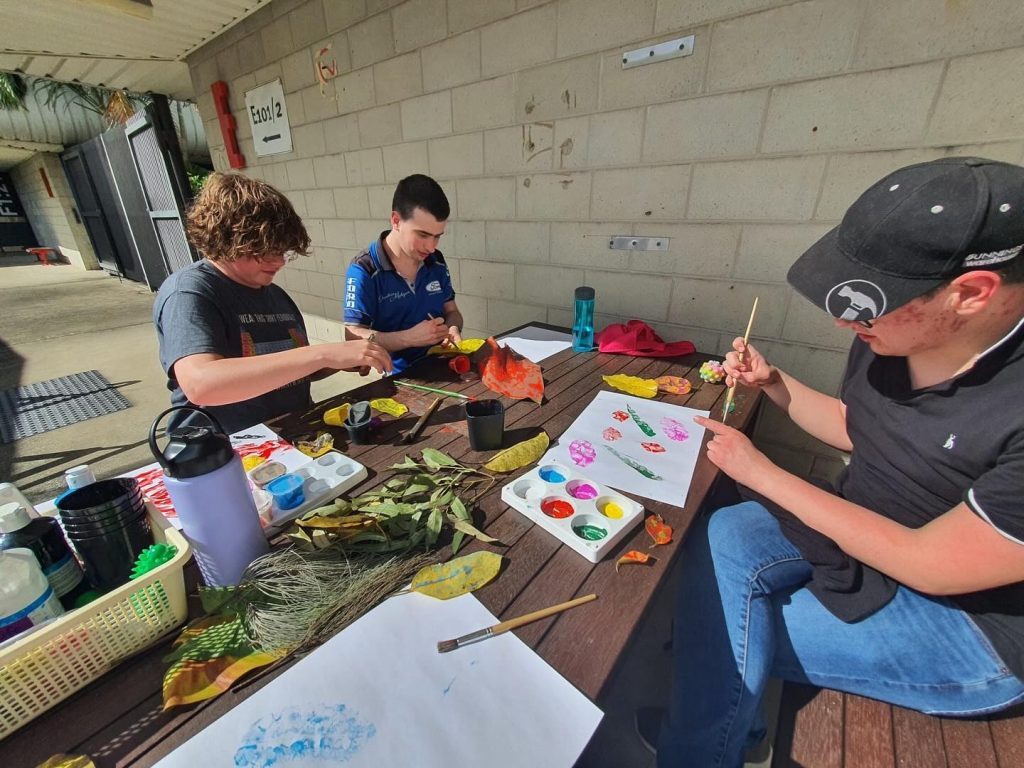
The partnership with ACU has proven particularly valuable. University students volunteer to run exercise sessions and lead activities during their semesters, creating meaningful connections between the Campus Life participants and the broader student community. Harris describes the collaboration as wonderful, noting that genuine friendships have developed between the two groups.
For Rory Harris, now 22, the program opened doors he didn’t know existed. He was part of that first cohort in 2021 and says, using a text-to-speech device, that there really were no other options available. His favourite aspect of Campus Life has been making new friends—a benefit that research has confirmed as one of the program’s most important features. Studies conducted with Autism Spectrum Australia and Griffith University found that the friendships formed during the program were crucial to participants’ development.
Since graduating from Campus Life, Rory has transitioned into work programs where he makes items to sell in a shop. He also works in a games library connected to the charity. His mother has observed significant changes in long-term participants, including improved confidence, enhanced problem-solving abilities and developed work skills. Some participants have even shown physical improvements, with young men who previously struggled with walking and navigating stairs growing noticeably stronger through the program’s exercise components.


The emotional impact on families has been profound. Harris recalls one parent expressing shock and delight that their youngest son could attend university just as their eldest had done—something they’d never imagined possible.

The need for programs like Campus Life is becoming increasingly urgent. Recent research from Griffith University reveals a troubling trend: a statistically significant decline in education and training opportunities for people with disability over the past three years. The Voice of Queenslanders with Disability report found that just over 50 per cent of participants with disability could access courses and training with support in 2025—a 15 per cent decrease since 2023.
Read: Banyo’s Holy Trinity Church Honours Val Stafford After Decades Of Service
Given that more than 290,000 Australians have an autism diagnosis and are six times more likely to be unemployed than people without disability, according to the national autism strategy released last year, initiatives like Campus Life represent more than just a nice idea—they’re a necessary response to a significant gap in support services.
For Harris, the most rewarding moments come when participants become restless near the end of the program—not from dissatisfaction, but because they’re ready for their next challenge. It’s a sign that Campus Life has done its job, preparing young people to move forward into employment, further study or other opportunities. Watching different pathways open up for young people who once had so few options has been, she says, genuinely exciting.
Published 15-January-2026