




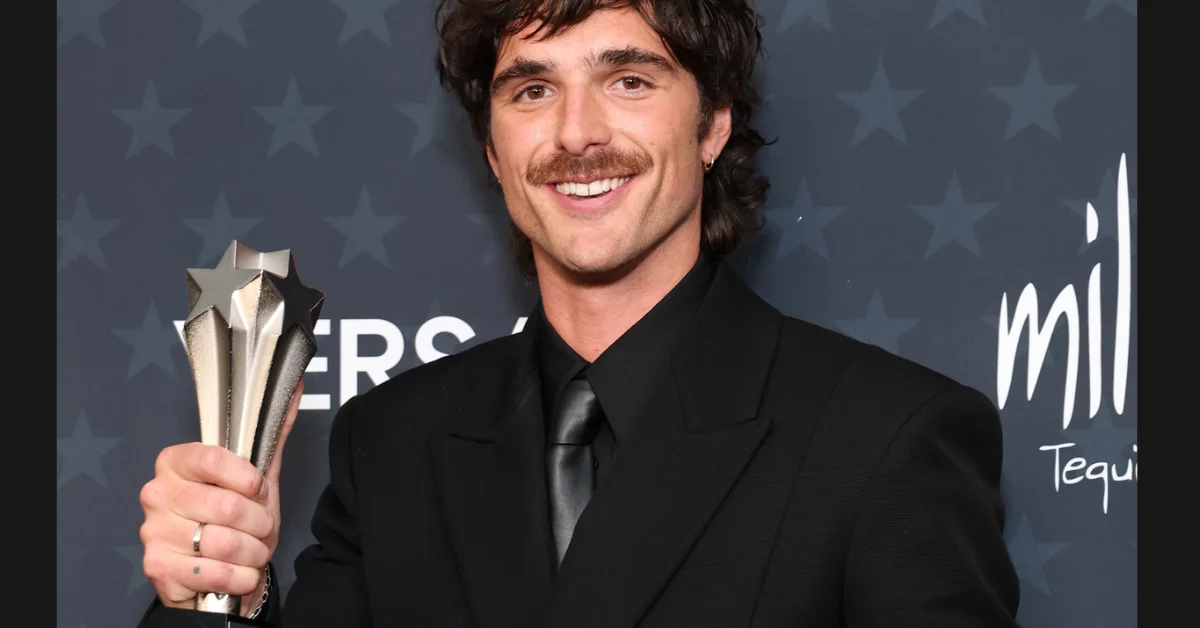
St Joseph’s Nudgee College Old Boy Jacob Elordi has secured his first major international acting prize, starting 2026 with a bang by winning Best Supporting Actor at the Critics’ Choice Awards. The honour marks a significant career milestone — but for friends, family and fans back home, the more compelling story lies behind the headlines.
What transpired at the awards stage was brief. What led to that moment was anything but.

Critics’ Choice Recognition
The 31st Critics’ Choice Awards were held on 4 January 2026 at the Barker Hangar in Santa Monica, California, officially opening the annual film and television awards season. Elordi emerged as one of the night’s key winners, taking out Best Supporting Actor in a competitive category.
The award was presented for his performance as the Creature in Frankenstein, directed by Guillermo del Toro. The result marked Elordi’s first major acting award at an international ceremony, representing a significant career milestone.

Elordi’s win came as Frankenstein emerged as one of the night’s most recognised films, also collecting multiple technical awards including costume design, hair and makeup, and production design — categories that underscore just how collaborative his performance was.

The film’s success reflected strong critical support, particularly for its visual presentation and production craftsmanship. Elordi’s performance was selected from a field that included several established international actors, underscoring growing recognition for his work in complex, character-driven roles. Other Australian winners included Sarah Snook who won Best Actress in a Limited Series or Movie Made for Television for All Her Fault.
The Critics’ Choice Awards are widely regarded as a strong indicator of momentum ahead of other major industry ceremonies later in the year. With Frankenstein securing multiple awards, the film has emerged as one to watch as the awards season progresses.
From striped blazer to stitched-together Creature
Long before red carpets and awards-season momentum, Elordi was known locally as a student at St Joseph’s Nudgee College — a connection that has resurfaced repeatedly as his career has accelerated. Recent local coverage highlighted old school images circulating through the Nudgee Old Boys network: blazer-era Elordi, instantly recognisable to classmates, now contrasted with one of the most physically demanding roles of his career.


In Frankenstein, he is almost unrecognisable. The leap from north-side school corridors to gothic cinema is stark, and it frames just how far the journey has travelled — not just in distance, but in discipline.
The win you didn’t see: the work behind the role
Awards rarely account for endurance. In this case, it mattered.
Frankenstein was among the most recognised films of the night, collecting multiple Critics’ Choice Awards across technical categories. Alongside Elordi’s acting win, the film also received honours for costume design, hair and makeup, and production design.
Elordi reportedly underwent full-body prosthetic applications around 20 times, with approximately 42 separate prosthetic pieces used to construct the Creature’s appearance. Only small parts of his face — the tip of his nose, upper lip and chin — remained uncovered.
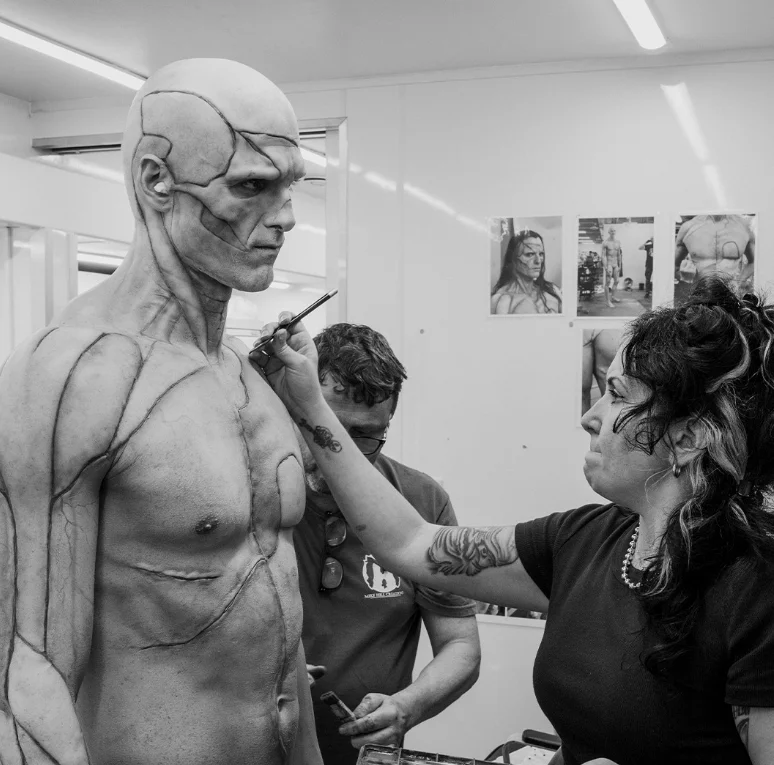
Those sessions ran for hours. Rather than treating them as downtime, Elordi used the stillness to work on character. The performance was built slowly, piece by piece, long before critics took notice.
Before the spotlight: a north-side theatre kid
Earlier reporting traced Elordi’s beginnings not to overnight fame but to theatre — the kind of acting shaped by repetition, restraint and unglamorous work. Before screen recognition, he was described as a theatre kid from Brisbane’s north side, drawn to performance well before Hollywood attention arrived.
That background helps explain the patience required for Frankenstein. Long shoots, heavy prosthetics and limited movement demand a performer comfortable with process rather than immediacy — a sensibility often forged years before success.
From uncredited extra to international recognition
One early career detail still surprises casual fans: Elordi once appeared as an uncredited extra in Pirates of the Caribbean: Dead Men Tell No Tales. Blink and you would have missed him.
Viewed now, that moment reads less as trivia and more as a marker. The path from background appearances to international awards wasn’t sudden. It was cumulative — shaped by persistence rather than momentum.
A creative reset, quietly decisive
Elordi has previously described Frankenstein as a creative reset — a project that reminded him why he wanted to make films in the first place. That framing matters.
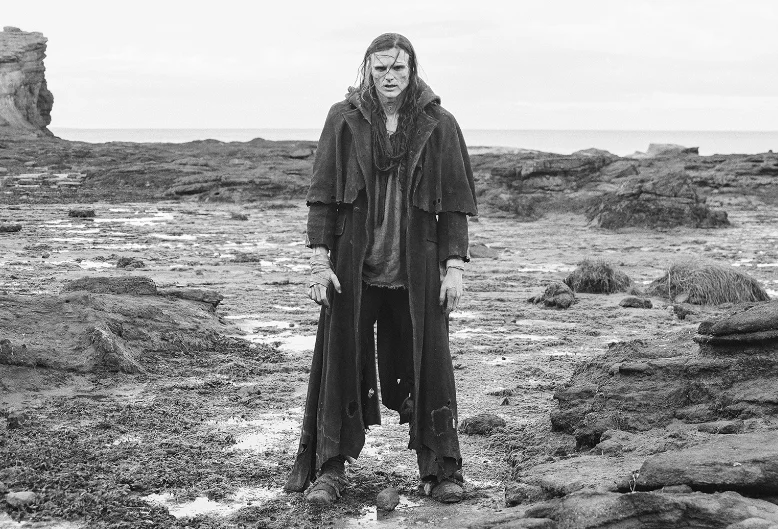
Rather than leaning into familiarity, the role demanded discomfort: physical restriction, emotional economy and a character defined as much by silence as speech. The result was a performance that stood apart in a crowded awards field — not louder, but more deliberate.
What travels home

Director Guillermo del Toro reportedly praised Elordi’s efficiency on set, noting that many scenes required no more than two takes. Just as telling were accounts that he never complained during lengthy prosthetics sessions — professionalism that resonated through the production.
Back home, that work ethic has been quietly followed. Alumni networks have tracked his progress not as celebrity spectacle, but as a long-form story of someone who kept showing up, role by role.
The trophy may have been handed over in California, but the habits that earned it were shaped much closer to home.
Published 7-Jan-2026