



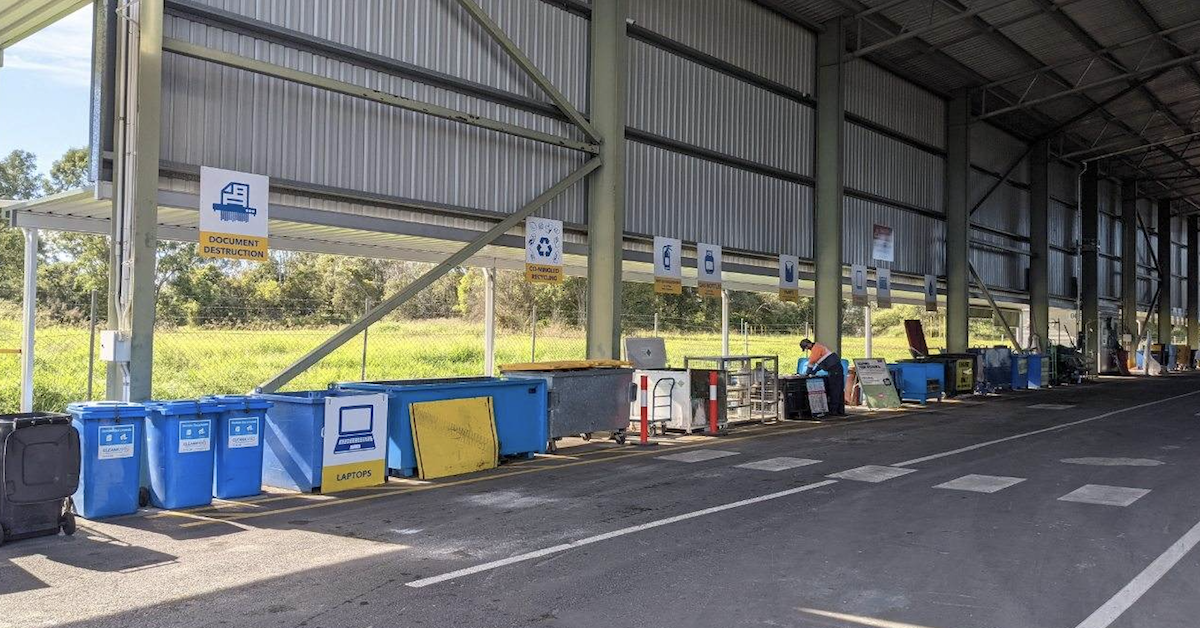
Used cooking oil collected through Brisbane’s resource recovery network, including at Nudgee, has helped build a local recycling business that now supplies refined oil to the poultry industry.
Brisbane City Council accepts up to 20 litres of cooking oil from residents at the Nudgee Resource Recovery Centre, giving households a disposal option that keeps fats and oils out of drains. Nudgee is one of four Council resource recovery centres across Brisbane and one of two classed as major centres.

From collection point to poultry feed
Gold Oil Solutions began operating in 2020 after directors Chris Chrysostomou and Len Hutton explored ways to reduce the amount of waste oil entering Brisbane’s wastewater system.
The company later established collection points at Council resource recovery centres in Nudgee, Chandler, Ferny Grove and Willawong. Those sites formed the foundation of its early collection volume before the business expanded into direct collections from cafes and restaurants across South East Queensland.

Used cooking oil collected by Gold Oil Solutions is processed by removing fine particles and heating it to kill bacteria before it is supplied to the animal-feed sector. Poultry producer Darwalla generally buys the refined oil for its Mt Cotton feed mill and breeding operation at Clifton.

The oil is used mainly as an energy source in poultry feed and also helps suppress dust during feed production. Wheat is one of Darwalla’s main feed ingredients but is relatively low in energy, so oil is used to lift the overall energy content of the feed.
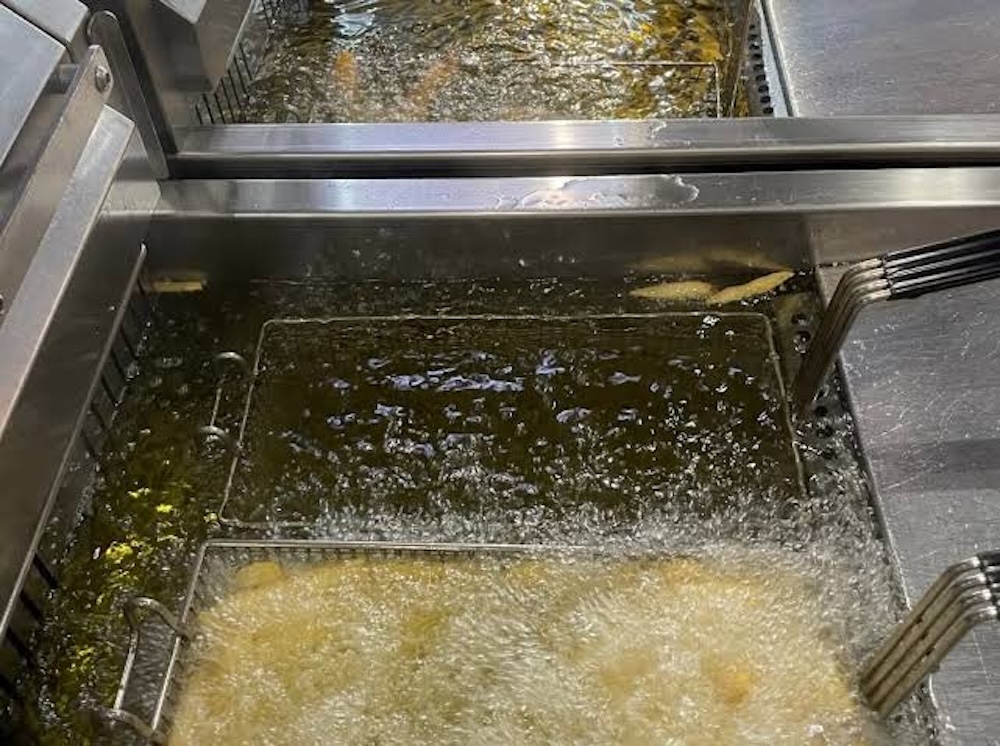
Gold Oil Solutions now services hospitality businesses from Noosa to the Tweed and is seeking additional poultry and livestock customers as its supply grows and customer demand fluctuates.
When cooking oil becomes a fatberg
Cooking oil causes a different problem when it is poured down the sink. Fats and oils can cool and solidify inside sewer pipes before combining with wet wipes, food residue and other waste. Over time, the material can form hard blockages known as fatbergs.


In the 2017–18 financial year, fatbergs were blamed for more than 360 sewer blockages across the wastewater network serving Brisbane, Ipswich, the Lockyer Valley and Scenic Rim. More than 4,000 sewer blockages of all types were being cleared each year at the time.
Queensland Urban Utilities had earlier said one in four people poured cooking oils down the kitchen sink, warning that the oil could solidify after cooling and collect other material already inside sewer pipes.
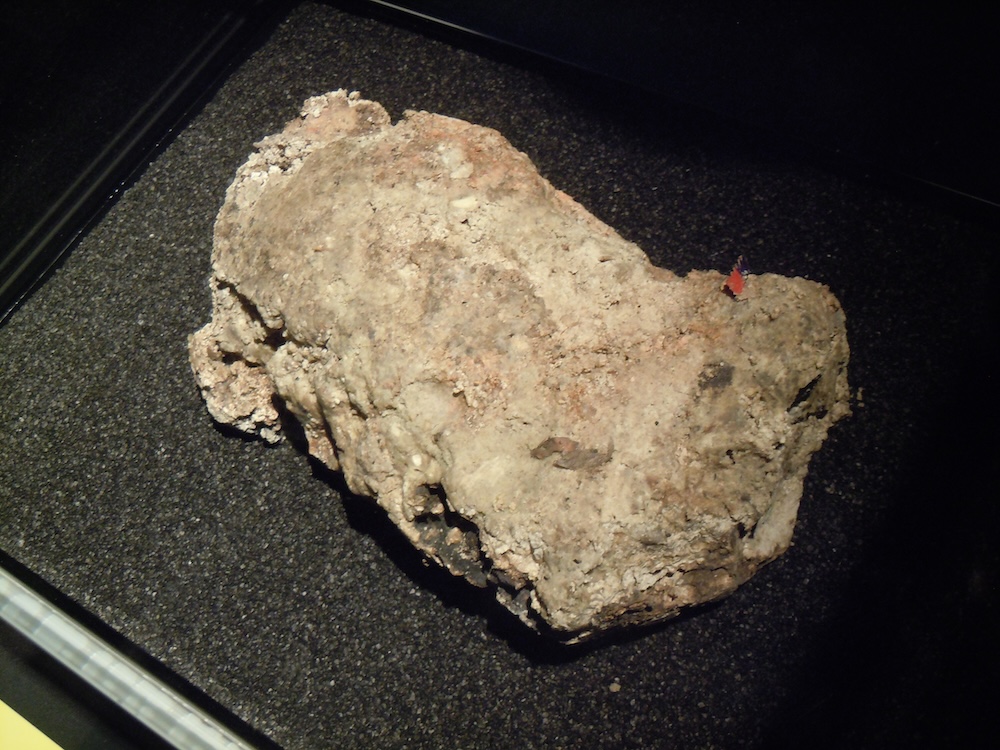
The largest fatberg the utility had recorded at the time was found beneath Bowen Hills. It measured about seven metres long and 60 centimetres wide and required a crane for removal.
More recent national estimates put fat, oil and grease behind about 40 per cent of sewer blockages around Australia, with maintenance and rehabilitation costs estimated at about $100 million a year.
Nudgee’s recovery role is set to grow
Plans are also progressing to expand the amount of waste recovered at the Nudgee site.
The Queensland Government has approved a Brisbane City Council and Cleanaway project for a second surge pit at the Nudgee Resource Recovery Centre under the Resource Recovery Boost Fund.
The project is designed to separate more self-hauled dry waste and bulky kerbside material for external reprocessing instead of mixing it with material sent directly to landfill. The funding contract remains under development.
Nudgee already accepts a broad range of recyclable materials, including cardboard, metals, batteries, electronic waste, hard plastics, engine oil and cooking oil. For local households, taking used cooking oil to the centre keeps it out of household drains and places it into Brisbane’s recycling system, where recovered oil can be processed and reused rather than discarded.
Published 18-Sept-2026