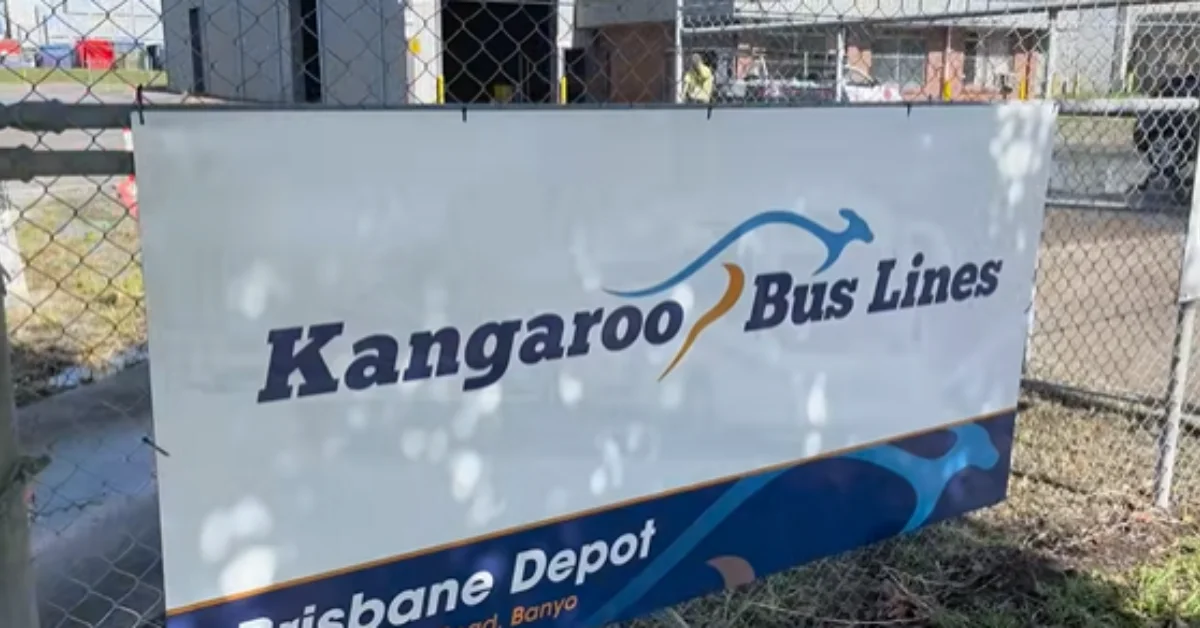
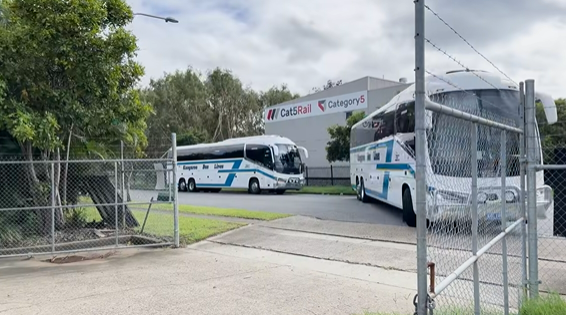
Kangaroo Bus Lines, a family-owned bus company with a depot in Banyo, has been appointed Official Transport Partner for the WBSC Women’s Softball World Cup Finals 2027.
Softball Australia and the tournament’s Organising Committee confirmed the partnership, with the Redcliffe-hosted event set to run from 5 to 11 April 2027.
The appointment means KBL will deliver transport operations for athletes and officials attending the tournament, with the company committed to ensuring every journey is safe, reliable and on time.
KBL has served southeast Queensland for more than 47 years, building its reputation as a reliable and community-connected operator. The company’s local expertise and community connection were highlighted by Softball Australia as key strengths underpinning the partnership.
Softball Australia CEO Sarah Loh said she was “delighted” to confirm the partnership, describing KBL as “a proud, family-owned business with deep roots in the region.” She said the company’s team would “play a critical role in ensuring athletes and officials from the world’s top eight softball nations experience Australia at its very best, with every journey safe, reliable, and seamless.”
Every bus on the road, she wrote, “represents local expert drivers, local businesses showcased to an international audience, and local pride on display to the world.”
Photo credit: Facebook/Kangaroo Bus Lines
KBL CEO Darren Webster said the appointment reflects the dedication of his staff and the high standards the company works to uphold every day. He noted that while KBL has built its name through local community service, being trusted to support world-class sporting teams on the international stage is something the company is extremely proud of.
The stakes at Redcliffe next April will be considerable. The Finals will serve as the first Olympic qualification event for softball on the road to the LA28 Games in Los Angeles, with one Olympic berth available for the top-ranked nation at the tournament, excluding the USA as host nation.
The former Mick Doohan Raceway site in Banyo has been put on the market months after the northside dirt track closed, reigniting concern within Queensland’s motorsport community about the loss of rider development venues in Brisbane.
The sprawling 22.66-hectare site is now being marketed for its industrial and logistics potential, marking a major turning point for land that spent more than four decades helping develop generations of riders.
The closure continues to stir strong feeling across Queensland’s motorsport community, particularly now that the site is officially being sold. An online grassroots campaign launched by Nomad Dirt Culture has amplified community concern about what has been lost and what may follow.
“Goodbye Mick Doohan Raceway,” wrote The Pole Line on Facebook. “A vital part in speedway for decades, launched countless careers, created memories for all.”
A track that shaped riders
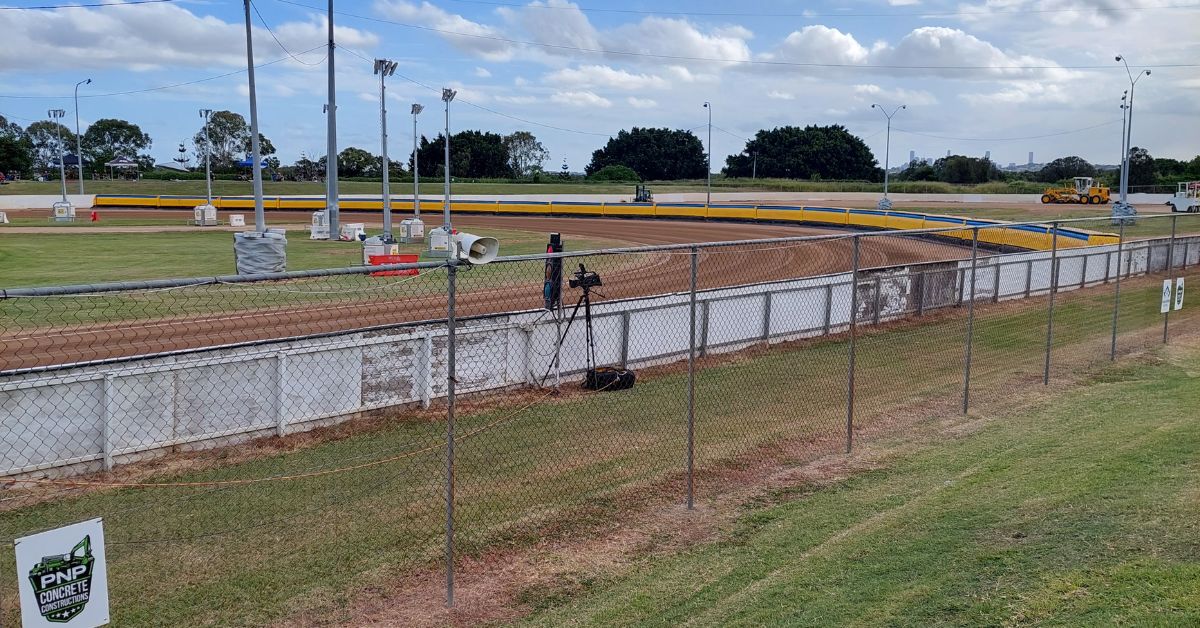
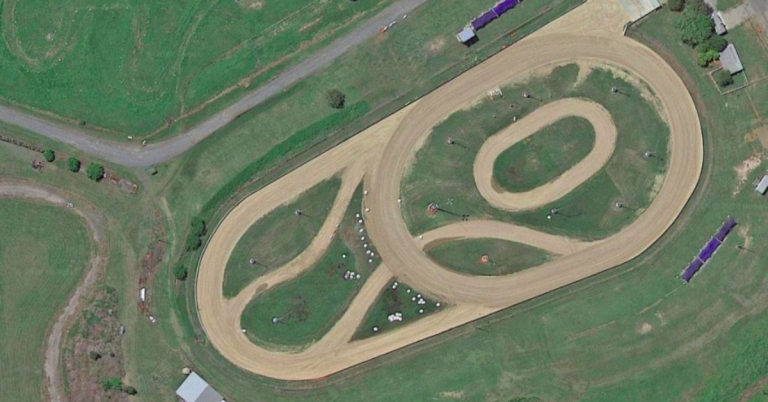
The North Brisbane Junior Motorcycle Club managed the raceway for more than four decades through a series of short-term lease arrangements, building a venue with a 450-metre dirt track and a separate 300-metre speedway circuit that hosted everything from junior club racing to major open events drawing national-level competitors.
The venue took its name from Mick Doohan, the Brisbane-born rider who won five consecutive 500cc World Championships between 1994 and 1998. Doohan grew up in Kuraby and competed locally before rising through the ranks of international road racing. Naming the Banyo facility after him reflected the ambitions the track held for the riders coming through its ranks.
Those ambitions proved well-founded. MotoGP racer Jack Miller became a regular at the track in recent years, competing in the North Brisbane Cup alongside top-level speedway talent. Events promoted by Darcy Ward brought national attention to the venue and drew crowds that reflected strong community appetite for the sport.
Former junior racers including John Lytras, Harrison Voight and Billy Van Eerde also progressed through the venue before moving into national road racing pathways.
The raceway held its final meeting in December 2025, drawing 135 riders for the last running of the North Brisbane Cup alongside a parade lap involving past and present club members. The event also honoured the Cameron Pritchard Cup, established in memory of a young club member who had died.
The site is now for sale
BCC is now offloading the 22.66-hectare freehold parcel, which includes roughly 180,000 square metres of usable land. The expression of interest campaign closes on 26 May 2026. The marketing material highlights the site’s proximity to major arterial roads and Brisbane Airport, a clear signal that the land is being pitched for its industrial and logistics potential.
Marketing material for the site highlights its proximity to Brisbane Airport and major arterial roads, signalling its appeal for industrial and logistics redevelopment.
The former raceway sits surrounded on three sides by industrial buildings, with the Southern Cross Way and Gateway Motorways forming its southern boundary. It also sits close to the Triple Eight Race Engineering headquarters. Its location makes it attractive for industrial redevelopment, which is part of why many within the motorsport community believe the loss is unlikely to be reversed.
Two venues down, one in the works
The loss of two venues within two years leaves a significant gap in Brisbane’s speedway pathway system. Archerfield Speedway closed in 2023, and the closure of Mick Doohan Raceway has compounded concerns about where junior riders will train and compete in the future.
Photo Credit: NBJMCC
The most tangible hope for a replacement facility sits about 50 kilometres north. A proposed speedway and motocross complex at Beachmere near Caboolture has lodged a Ministerial Infrastructure Designation proposal to facilitate construction, though no confirmed timeline for delivery has been announced.
For the North Brisbane Junior Motorcycle Club, the search for a new home continues. Supporters can follow the Nomad Dirt Culture campaign on Facebook or contact the club through nbjmcc.com.au.
An apparent ram raid attempt at Triple Eight Racing’s Banyo headquarters has left the Supercars team’s Brisbane base damaged, after a Nissan SUV crashed through a fence before the driver fled on foot.
The incident happened at the team’s Depot Street premises, where CCTV footage showed the vehicle travelling at speed before entering the property and striking the building area. The driver then exited through the passenger side and ran from the scene.
Triple Eight was contacted by police about 3:30 am this week and told the team may have been the victim of a ram raid. No property was reported stolen, although the crash left visible damage to the site and the vehicle.
CCTV Shows Crash At Banyo Headquarters
Footage of the incident showed the Nissan moving through the fence line and into the Triple Eight premises. A ute was also seen stopping nearby as the SUV went through the gap.
Jamie Whincup later appeared in footage shared online, walking through the damage near the crashed vehicle. He explained that the Nissan had come up Depot Street before going through the fence and into the property.
The vehicle appeared to narrowly miss a pylon sign and fire hydrant before hitting the building area. Other footage showed the driver leaving through the passenger side and running away.
A headlight from the Nissan was found inside the factory, while the vehicle was left with significant visible damage. A protective pole near the building had reportedly been installed only weeks before the crash.
Nothing Stolen After Failed Attempt
Despite the damage, nothing was reported stolen from the Banyo headquarters. The incident instead left Triple Eight dealing with damage to the premises and the crashed Nissan SUV.
Triple Eight Race Engineering is a leading Supercars team based in Brisbane’s north. The incident occurred while the team’s Supercars equipment was on its way back to Australia after the New Zealand double-header.
Broc Feeney had claimed the Jason Richards Memorial Trophy following the Taupo and Christchurch rounds, where the award went to the top points scorer across the events.
The immediate focus remains on the unusual early-morning crash at the Banyo facility, where the driver fled on foot and the team reported that no property had been taken.
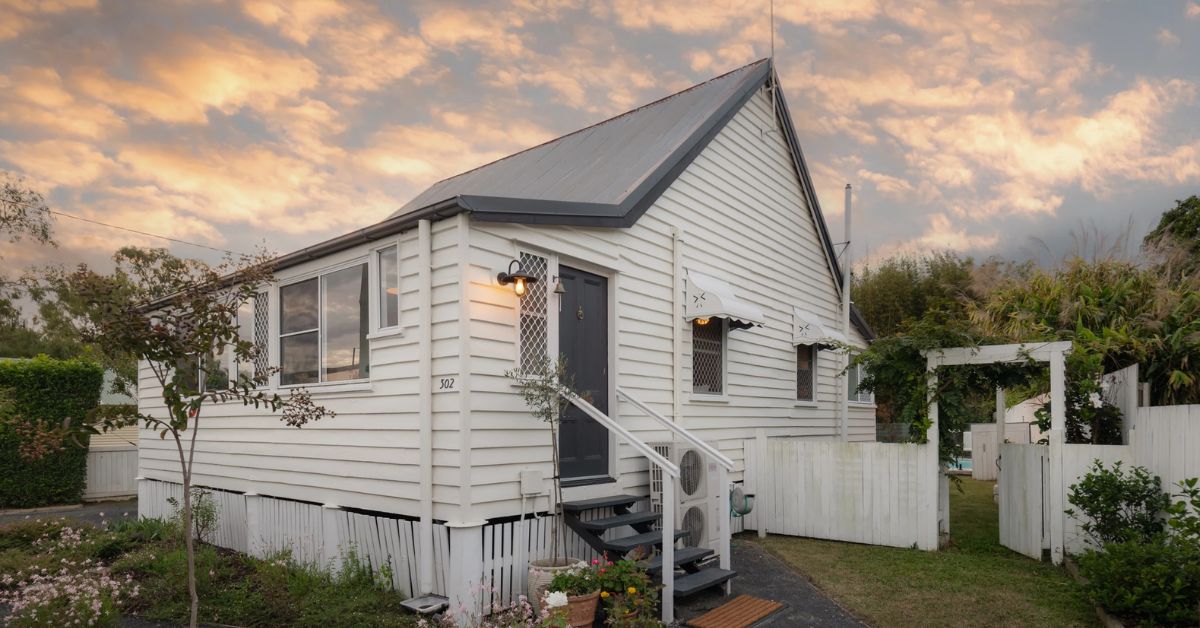
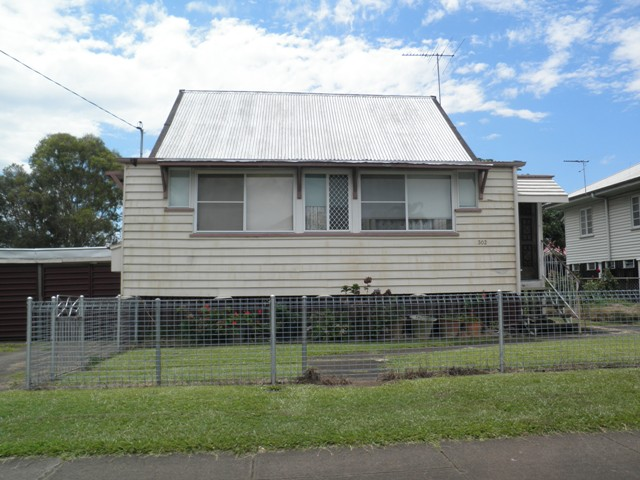
Robinson Farmhouse at 302 Saint Vincents Road in Banyo, the oldest surviving residence in Banyo and the Nudgee area, has come to market for the first time in nearly five years, giving buyers a rare chance to own a piece of Brisbane history that has been standing since 1882.
The four-room cottage is a recognised local heritage place under the Brisbane City Plan 2014, listed as the earliest surviving residence in the Banyo and Nudgee area and the oldest nineteenth-century residence in Banyo. There are two nineteenth century farmhouses left in the entire suburb; the Robinson Farmhouse is the older of the two. For Nundah and Banyo residents, seeing this address come up for sale is the kind of thing that stops people mid-scroll.
A Cottage With a Story Older Than the Suburb Itself
William Bulcock Robinson built this modest cottage around 1882 along the road to St. Vincent’s Orphanage, on an 18-acre block he had purchased in August 1880. The style of the cottage, with its very steep gable-ended roof, is typical of houses built earlier than the 1880s, suggesting the structure may have been relocated to the property from elsewhere in Brisbane.
The house stumps were cut from local trees, and rough-edged timber hewn by axe, adze or saw was used to construct the four-roomed cottage. The roof trusses were made from tea tree timber, and the roof was originally covered with timber shingles before being replaced with galvanised iron sheeting. It is the kind of construction detail that makes you appreciate both the craftsmen who built it and the people who have kept it standing ever since.
William B. Robinson first appears as a resident in the Nudgee District in the 1889 edition of the Queensland Post Office Directories. The Robinson family held farms throughout Banyo, Virginia, Geebung and Aspley, and Robinson Roads East and West in Banyo are named after the family. The land around the farmhouse remained sparsely settled for decades, with the area only beginning to urbanise in earnest after the Robinson family created the Robinson’s Paddock Estate in 1928, which opened up Paradise and Langdon Streets and Redhill Road to residential buyers.
What the Home Is Today
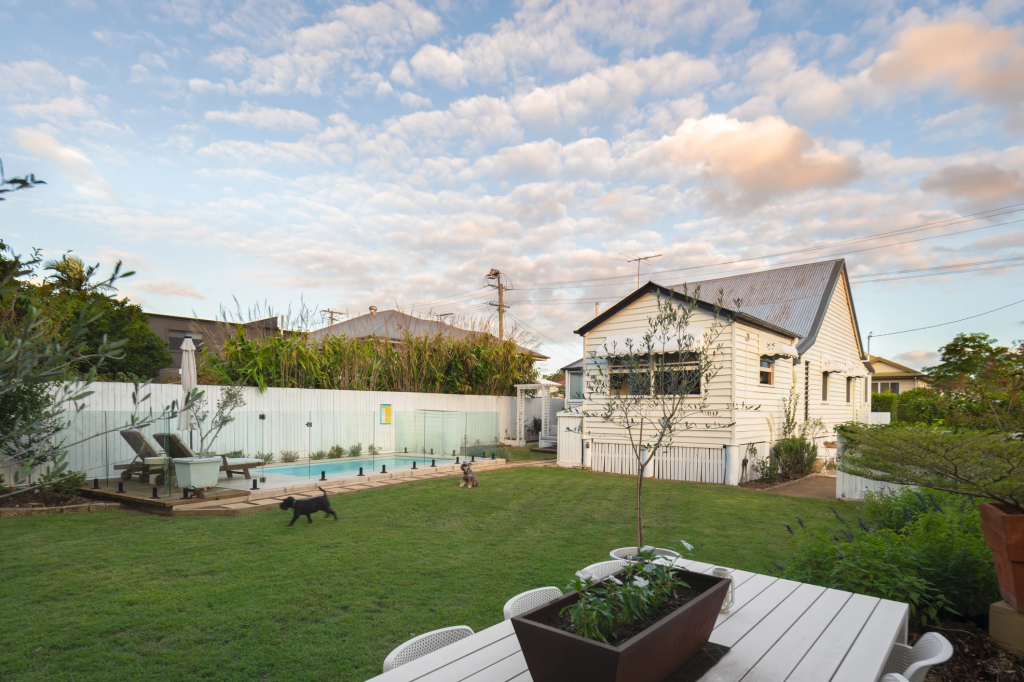
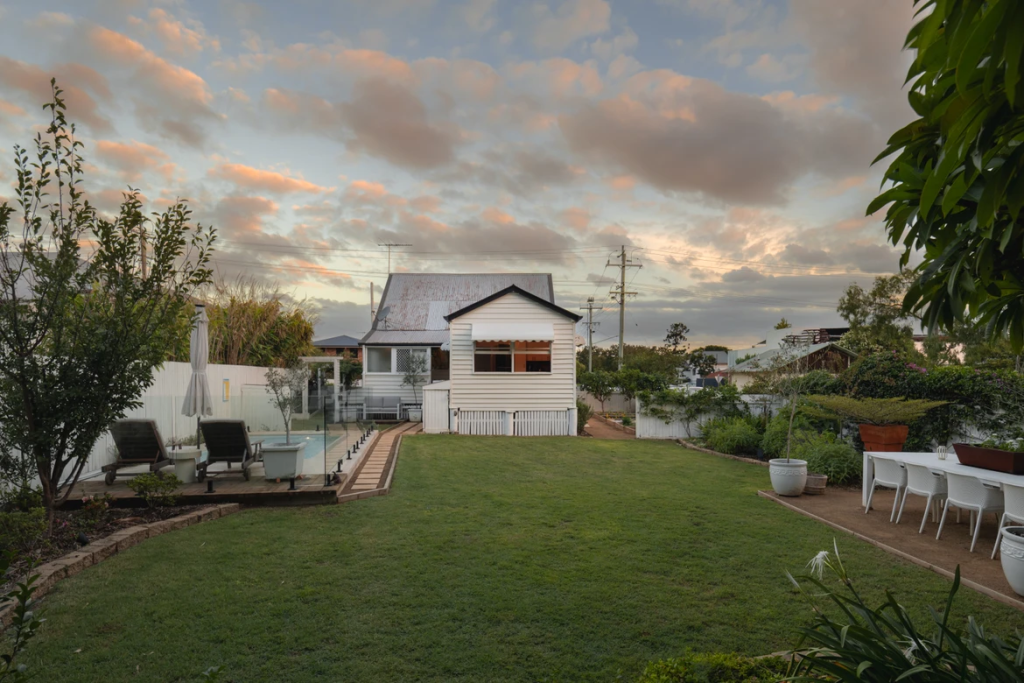
The current owners, Katherine Young and Brett Advocaat, purchased the property in August 2021 for $735,000 and have spent their time there maintaining its heritage character while integrating contemporary comforts. The three-bedroom, one-bathroom home now features landscaped surrounds and a newly installed pool on the 647-square-metre block, which backs onto parkland.
“We fell in love with the rich history and the unique soul of the house,” Brett Advocaat said. “It’s been a privilege to maintain a landmark where locals still stop by to share stories of the house from their childhood.”
That last detail says something important about what this address means to the people who grew up near it. Robinson Farmhouse is not just old; it is remembered. Locals carry it in their personal histories, and the current owners have found themselves the custodians of those memories as much as the building itself.
“Being so central and near the park, we have experienced the growth of Banyo, watched birthday parties, and observed the locals playing volleyball or pickleball,” Advocaat said. “These are all things that we can take in from our kitchen window or while tending to the garden.”
The Last of Its Kind
There are only two nineteenth century houses remaining in Banyo. Robinson Farmhouse at 302 St Vincent’s Road is one, and the Blinzinger Farmhouse former at 274 Tufnell Road is the other. While both are former farmhouses, each represents a different period in Banyo’s development and a different nineteenth century architectural style. Losing either to neglect or unsympathetic redevelopment would remove something irreplaceable from the suburb’s physical record.
In 2000, a group of community members comprising the BANGEE Festival Committee identified 302 St Vincent’s Road as a local heritage place and listed it as Location 22 in the Banyo-Nudgee Heritage Trail publication. That community recognition, driven not by planners but by local residents who understood what they had, says more about the house’s place in the suburb’s identity than any formal listing could.
A Home That Belongs in the Right Hands
For anyone who has walked past Robinson Farmhouse and felt the pull of it, this is one of those listings that does not come around often. It is heritage-listed, which means future owners take on the responsibility of stewardship that comes with that designation, but it is also a genuinely liveable, renovated family home in one of Brisbane’s most accessible northern suburbs, a short walk from Banyo Station and adjacent to parkland that the current owners have watched come alive with community life for the past four years.
Properties like this do not simply sell; they find their next keeper. Enquiries for Robinson Farmhouse at 302 Saint Vincents Road, Banyo can be directed to the listing agent.
A new eatery is putting charcoal chicken Banyo locals on the map, with Charco & Co now open at Shop 3/1022 Nudgee Road and ready to serve the northside community seven days a week.
The restaurant launched with a clear point of difference in mind — offering the speed and affordability of fast food alongside ingredients and cooking methods more commonly associated with sit-down dining. At the centre of the menu is charcoal-cooked chicken, served with the restaurant’s own Charco Chilli sauce, a blend of olive oil, Portuguese chillies and a house herb mix. The result is a smoky, boldly seasoned bird that the team behind the concept says has quickly become a signature of the brand.
Alongside the chicken, Charco & Co rounds out its menu with Wagyu beef burgers, including the Beef Chilli Burger and the Legend Burger — options designed to give diners a bit of variety while keeping the overall offer tightly focused on quality over quantity.
The business was founded by Neil Martin, who says the idea grew from a straightforward but hard-to-execute goal: close the gap between the convenience people expect from fast food and the kind of flavour they’d usually have to sit down somewhere nicer to find.
For Banyo, a suburb that has quietly been gaining new businesses and residents in recent years, it’s the sort of local addition that fills a genuine gap in the dining options along Nudgee Road.
Charco & Co is currently trading from 10am to 3pm daily.
A six-hectare block on Blinzinger Rd in Banyo, once used as an Energex depot and left idle for about a decade, will be the first site brought to market under the new Land Activation Program. The site, which sits close to transport links, shops and schools, is expected to deliver up to 400 new homes and is being promoted as a way to lift housing supply more quickly in Brisbane’s north.
The Banyo site covers just over six hectares and has remained fenced and unused despite growing demand for housing in the surrounding suburbs.
Program material published by Economic Development Queensland states the land is suitable for residential development and could support several hundred dwellings. Information about how industry participants can register interest and submit proposals is available on the Economic Development Queensland Land Activation Program page.
How the Program Works
The Land Activation Program allows private developers to identify under-used public land and register interest in building housing, while public agencies are expected to flag sites that are no longer required for operational use. Economic Development Queensland will assess proposals to determine whether land is genuinely surplus and suitable for housing, with additional sites expected to be released across the state following the Banyo rollout.
Details of the program were published through an official statement outlining the aim of accelerating land supply and reducing delays tied to planning and approvals.
The Key Flashpoint: Affordability
Unlike earlier land partnership models, the current approach does not require social or affordable housing to be included when sites are sold to private developers. Supporters of the program argue that removing these conditions allows housing to be delivered faster and at lower upfront cost.
Critics say the absence of affordability settings means the plan is unlikely to help households on low incomes or those waiting for social housing, particularly as prices and rents continue to rise.
Why the Approach Has Shifted
The move follows reporting on a KPMG review of the former Ground Lease Model, which found the approach would have required significant public funding while delivering a limited number of homes. That analysis estimated a cost of $1.7 billion for 715 dwellings, prompting a shift toward a market-led strategy focused on releasing land rather than subsidising rents.
Property forecasts cited in recent reporting warn Brisbane home values could continue climbing, intensifying debate about whether increased supply alone will ease affordability pressures.
History of the Energex depot site in Banyo
The site on Blinzinger Rd in Banyo has a long industrial past tied to the electricity network in Brisbane’s north. A public notice about remediation works states that the facility was originally built for the electricity arm of Brisbane City Council and was later transferred to the former South East Queensland Electricity Board in 1977, before becoming known locally as the Energex Banyo depot.
The property operated from the 1950s until 2007, including use as an electrical transformer refurbishment facility. It was listed under Queensland’s Environmental Management Register due to its historical use for oil storage.
Planning material within Brisbane’s City Plan neighbourhood plan documents flags the Blinzinger Road precinct and notes housing outcomes tied to the site’s future once it was no longer needed for its former purpose. Separately, an industry project page on a replacement distribution centre states that the new facility was intended to replace the ageing Banyo operation for warehousing needs, supporting the view that activities shifted away from the Banyo depot over time.
A Banyo primary school is set to expand its creative arts capabilities with the approval of a new construction project that turns an open undercroft area into dedicated learning spaces.
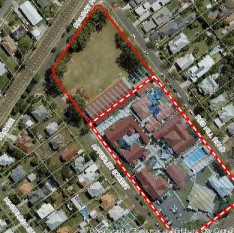
St Pius V Primary School has secured permission to build extensions associated with its existing Multi-purpose Hall located on Apperley Street and St Vincents Road. The approved development focuses on using the space underneath the current hall structure to create two new multi-purpose rooms.
These additions are designed to provide a new home for music classes, which will relocate from other areas of the campus to this central hub. Alongside the classrooms, a dedicated music store will be built to house instruments and equipment securely.
A key feature of the upgrade involves making the facility usable regardless of the weather conditions. The design, prepared by CVN Consultants, outlines the partial enclosure of the existing hall structure.
Aluminium glass louvres will be installed on the north-western and south-eastern sides of the building. The report indicates that closing these openings will allow students and staff to utilise the hall comfortably throughout the year, protecting them from wind and rain while maintaining natural light.
Beyond the educational spaces, the project addresses practical needs for the school community. The plans include a new bike storage area capable of holding 40 bicycles, encouraging active transport to school. A maintenance shed will also be constructed within the undercroft footprint. The site works are strictly confined to the existing footprint of the hall, ensuring no additional land is taken up by the construction.
Campus Life, a program operating from Australian Catholic University’s campus in Banyo, is quietly revolutionising what’s possible for young people with disability, creating pathways to employment and further study where few existed before.
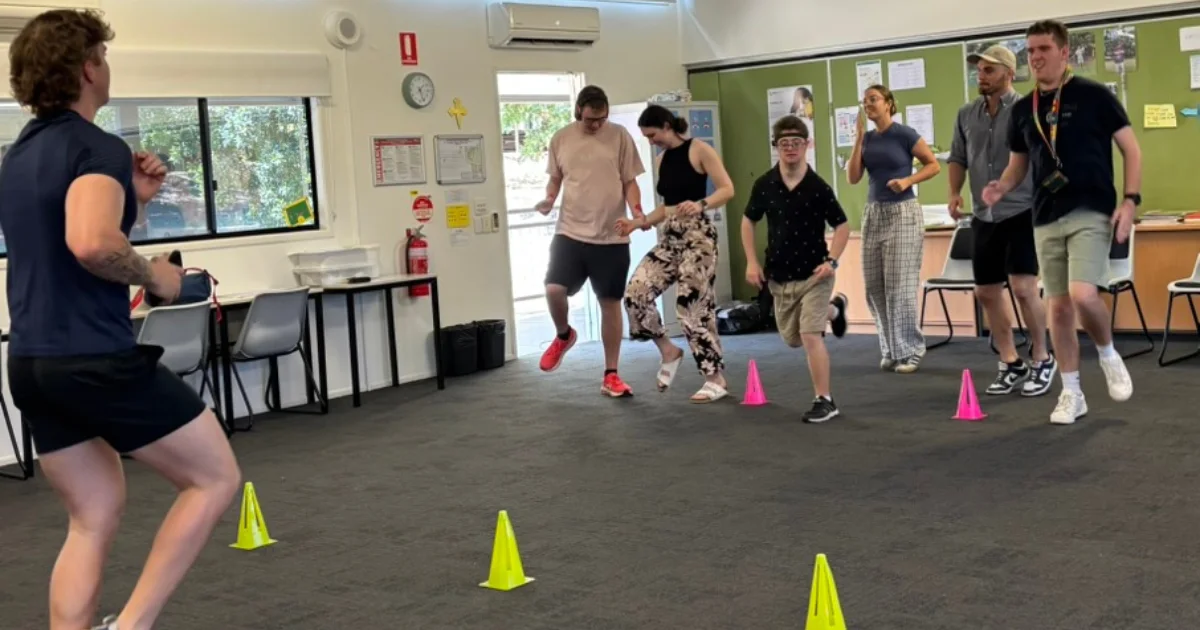
Bringing small groups of young adults with disability together each week for activities designed to build confidence, skills and independence, the initiative has become the flagship program of the Centre for Inclusive Supports Inc charity.
The program’s origins lie in a mother’s determination to create better opportunities for her son. When Kathy Harris looked at what awaited her son Rory after he finished special school, she was disappointed by what she found. The available options were limited, with many programs offering what she characterises as adult minding rather than genuine preparation for work or further study.
Harris decided to design something different. What began as a six-month research project with six participants in 2021 has evolved into a comprehensive three-year program that’s changing lives.
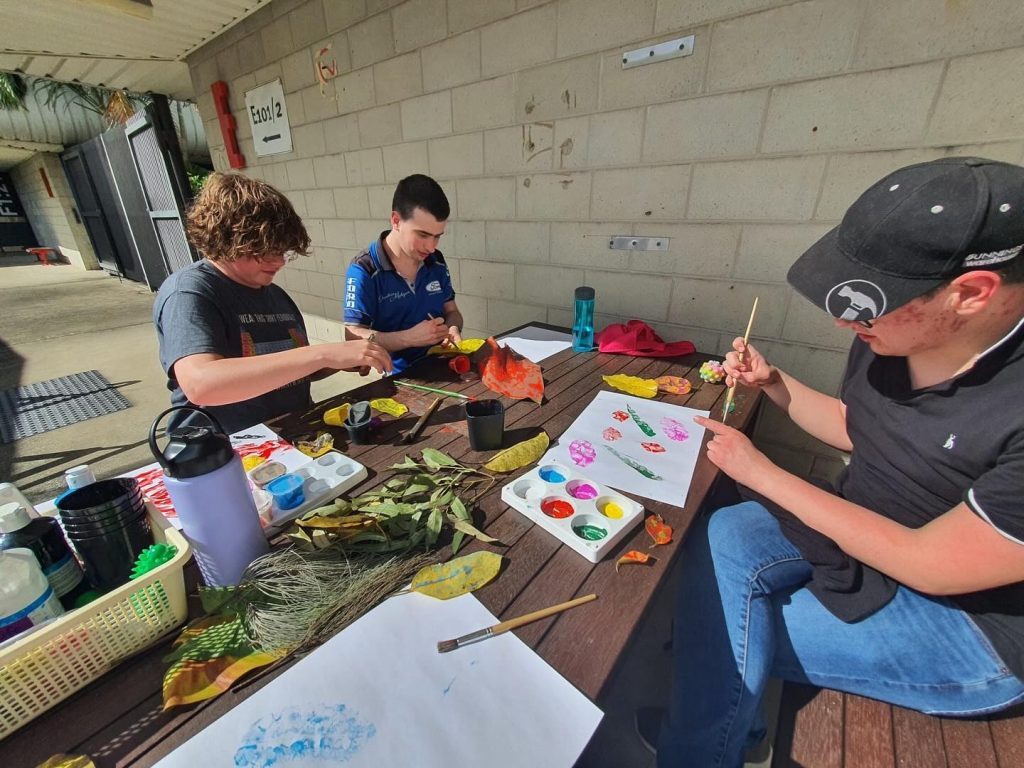
Campus Life participants engage in diverse activities including speech and music therapy, learning content from first-year business courses, and attending exercise classes. The campus setting provides an authentic tertiary education environment, helping participants envision themselves as university students or workers rather than perpetual program attendees.
Photo credit: Facebook/Campuslife
The partnership with ACU has proven particularly valuable. University students volunteer to run exercise sessions and lead activities during their semesters, creating meaningful connections between the Campus Life participants and the broader student community. Harris describes the collaboration as wonderful, noting that genuine friendships have developed between the two groups.
For Rory Harris, now 22, the program opened doors he didn’t know existed. He was part of that first cohort in 2021 and says, using a text-to-speech device, that there really were no other options available. His favourite aspect of Campus Life has been making new friends—a benefit that research has confirmed as one of the program’s most important features. Studies conducted with Autism Spectrum Australia and Griffith University found that the friendships formed during the program were crucial to participants’ development.
Since graduating from Campus Life, Rory has transitioned into work programs where he makes items to sell in a shop. He also works in a games library connected to the charity. His mother has observed significant changes in long-term participants, including improved confidence, enhanced problem-solving abilities and developed work skills. Some participants have even shown physical improvements, with young men who previously struggled with walking and navigating stairs growing noticeably stronger through the program’s exercise components.
The emotional impact on families has been profound. Harris recalls one parent expressing shock and delight that their youngest son could attend university just as their eldest had done—something they’d never imagined possible.
Photo credit: Facebook/Campuslife
The need for programs like Campus Life is becoming increasingly urgent. Recent research from Griffith University reveals a troubling trend: a statistically significant decline in education and training opportunities for people with disability over the past three years. The Voice of Queenslanders with Disability report found that just over 50 per cent of participants with disability could access courses and training with support in 2025—a 15 per cent decrease since 2023.
Given that more than 290,000 Australians have an autism diagnosis and are six times more likely to be unemployed than people without disability, according to the national autism strategy released last year, initiatives like Campus Life represent more than just a nice idea—they’re a necessary response to a significant gap in support services.
For Harris, the most rewarding moments come when participants become restless near the end of the program—not from dissatisfaction, but because they’re ready for their next challenge. It’s a sign that Campus Life has done its job, preparing young people to move forward into employment, further study or other opportunities. Watching different pathways open up for young people who once had so few options has been, she says, genuinely exciting.
North Brisbane’s long-running motorcycle facility in Banyo is preparing for its final race meeting as Mick Doohan Raceway closes after more than four decades of operation.
The raceway has hosted events under the management of the North Brisbane Junior Motor Cycle Club for more than four decades through short-term lease arrangements. The club has been directed to vacate the site by 15 December and continues working to find a new location.
Businesses and volunteers have supported the venue over the years, contributing to its long-running role in the sport.
Photo Credit: NBJMCC
Final North Brisbane Cup Field
The final meeting on 6 December features the last running of the North Brisbane Cup. More than 130 riders lodged entries before nominations closed.
Returning competitors include previous winner Jack Miller. The field also lists Ronan Jacobs, Rory McQualter, Cyshan Weale, Dale Borlase, Jordan Dall, Luke Bush and Ryan Douglas.
Former junior racers now competing in road racing — John Lytras, Harrison Voight and Billy Van Eerde — are also entered. Max Whale has returned from racing in the United States to participate.
Additional Categories and Junior Competition
Some riders will also race in the 2-Stroke and Pro 250 classes. Dirt Track Sidecars and the Pro Open Womens class are also on the programme.
Junior divisions remain a major part of the event. Riders aged 13 to under 16 will compete for the Cameron Pritchard Cup, established to honour a young club member who died last year.
Schedule and Venue Layout
Practice begins at 9:00 a.m., with racing from 11:00 a.m. Three rounds of heats and the repechages run through to sunset. Shoot-outs and a parade lap of past and present members will take place before the finals at around 7:00 p.m.
The venue includes a 450-metre dirt track and a 300-metre speedway track. Spectators can watch from the hillside area or from their vehicles. A canteen and a designated bar area operate on site.
The final meeting signals the end of a significant chapter in the region’s motorcycle racing history. The club continues its efforts to secure a new venue beyond the closure of Mick Doohan Raceway.
For more than half a century, Holy Trinity Church has relied on the steady service of Val Stafford, who has quietly filled nearly every role needed to keep parish life running.
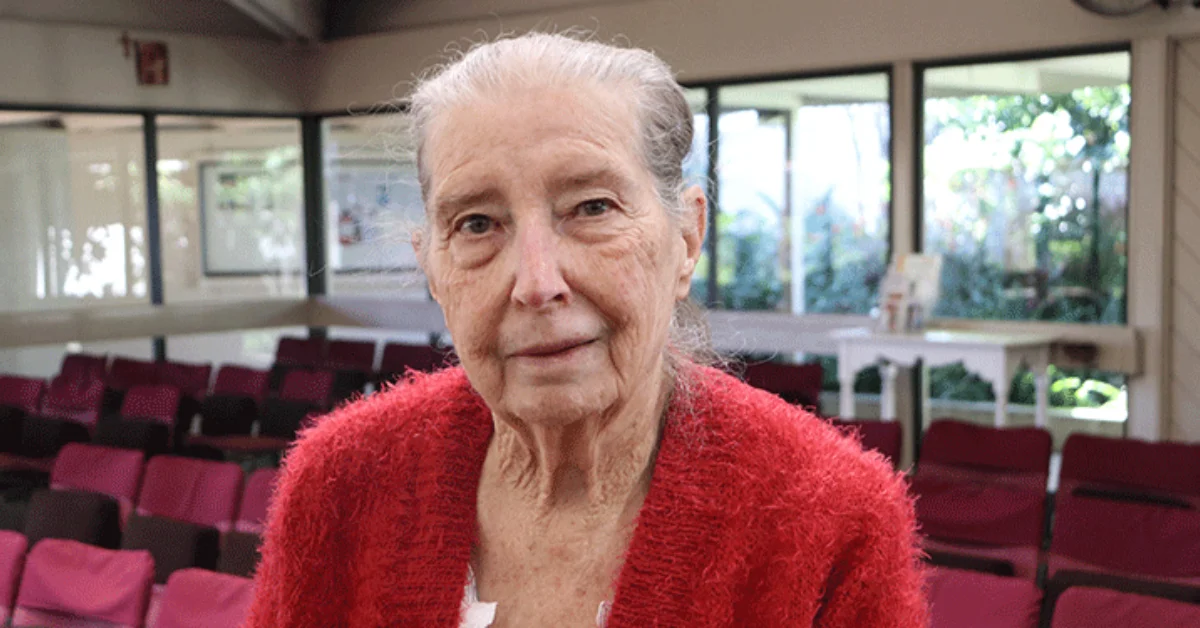
Val Stafford has volunteered at Holy Trinity Church in Banyo for more than 53 years, beginning in 1972 when her eldest child started school. Now 83, she has shared plans to retire from parish service when she turns 85. Over the decades, she has served as sacristan, managed audio-visual needs, read during Mass and stepped in whenever practical help was required.
Her work extended beyond the church, with 27 years as a catechist in public schools and contributions to tuckshops, sewing groups and parish projects. Growing up in Warwick with limited access to Mass, she said this experience motivated her to help Catholic children in state schools strengthen their faith.
Deep Roots In Banyo
After marrying her late husband Keith, Val Stafford settled in Nudgee, just around the corner from Holy Trinity Church, where their family home has stood for 62 years. Generations of her children, grandchildren and great-grandchildren have attended the parish school.
She began volunteering when her eldest daughter started at St Pius V Primary School, as many women of the time left paid work after marriage. What started as helping the parish nuns with small tasks soon grew into decades of dedicated service.
Recognition And Change
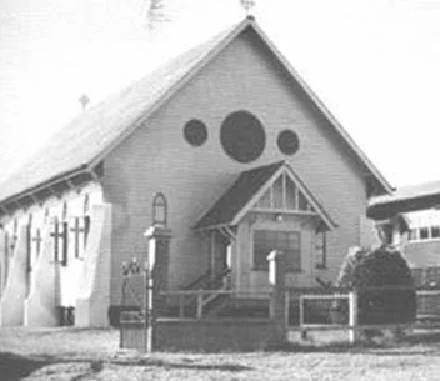
During National Volunteers Week in May, Banyo-Nundah parish publicly recognised Val Stafford’s decades of service, a surprise she had not expected. Over the years, she witnessed major changes at Holy Trinity, including the rebuilding of the church after St Pius V was destroyed by fire in 1976.
She served on the committee that selected the design of the new building and later saw the introduction of English in the liturgy, which she believed made Mass more accessible. Across her service, she has worked with eight priests and watched the parish community continue to grow.
Community Response
Parishioners have described Val Stafford as humble, welcoming and generous, with many praising the way she made newcomers feel at home at Holy Trinity. When news of her long service was shared online, community members expressed their gratitude and congratulated her on her commitment.
She has said she hopes her example inspires others to volunteer, though she recognises that it is harder for families today to find the time. As her 84th birthday approaches in October, she has decided to step back at 85, saying more than five decades of service is long enough.