

$940M Quantum Computer Project at Brisbane Airport Faces Delays as Consultation Period Stalls

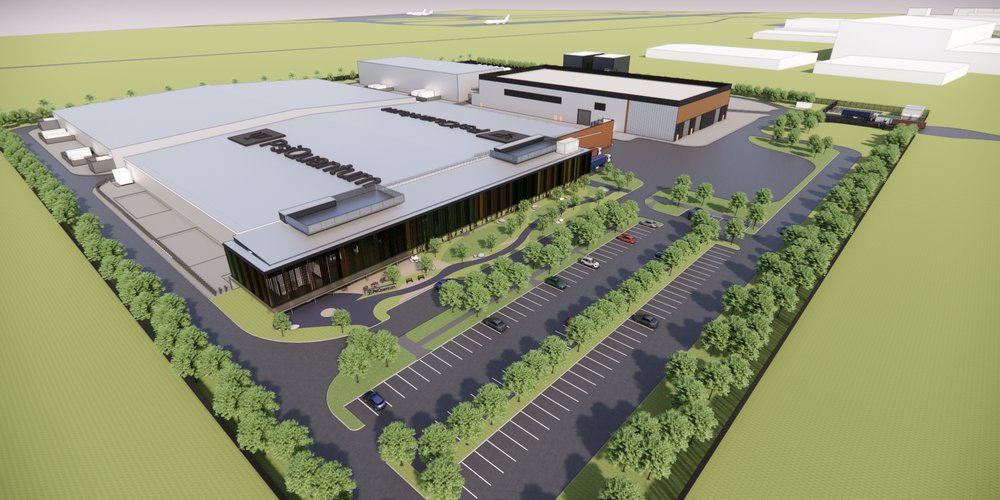
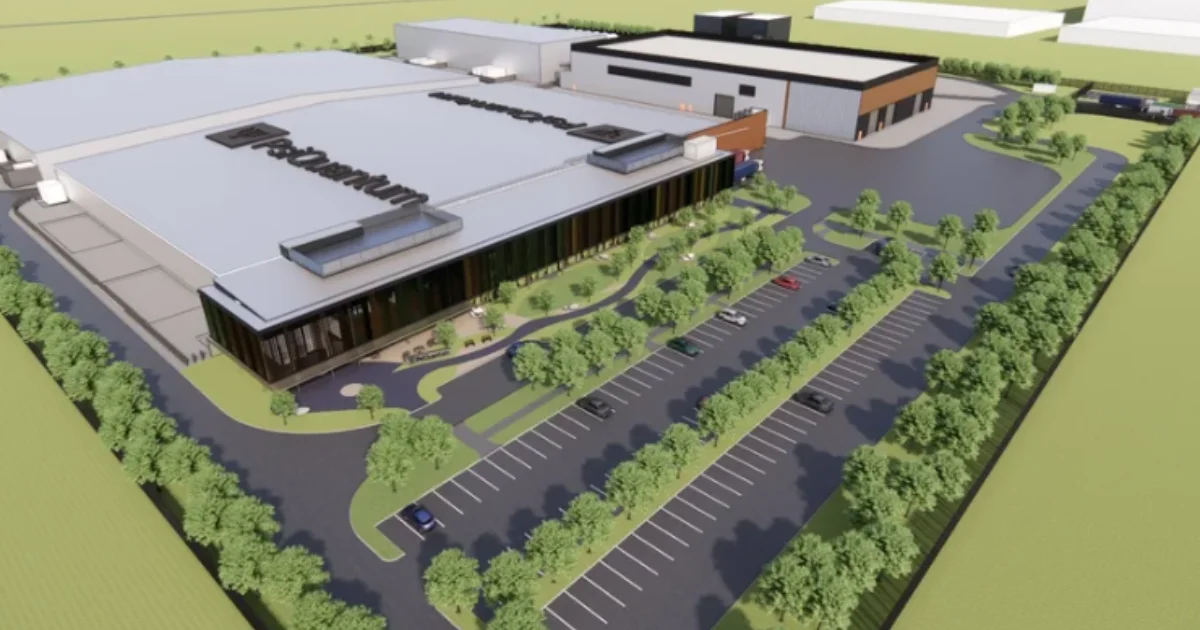
More than a year after it was scheduled to begin, construction of a $940-million quantum computing facility at Brisbane Airport has remained stalled, with the site remaining vacant as regulatory hurdles continue to push back the timeline for Silicon Valley tech firm PsiQuantum’s project.


Read: Brisbane Airport Industrial Precinct Set to Become Global Quantum Hub


The 13-hectare site tucked behind the airport was scheduled to see construction activity in 2025, but the land remains empty with no indication of when work might commence. A mandatory two-month public consultation process—the first step in securing Commonwealth approval—has yet to start, which may affect PsiQuantum’s stated target of completing the facility’s infrastructure by 2027.

Federal and state authorities have committed $470 million each to the venture through share purchases, grants, and loans. The project aims to establish what PsiQuantum describes as the world’s first commercially useful, fault-tolerant quantum computer.

Photo credit: PsiQuantum

The location behind Brisbane Airport was selected for its strategic advantages. Proximity to the Port of Brisbane enables transportation of large computing components, whilst high-capacity power infrastructure can support the energy-intensive operations required for quantum computing.

Brisbane Airport Corporation, which leases the land from the Commonwealth, must submit a major development plan before any construction activity can begin. That process cannot proceed until public consultation concludes and submissions are reviewed—steps that remain pending.

When questioned about the timeline during Senate estimates hearings in October, the federal Department of Industry, Science and Resources indicated it had not prepared contingency plans for delays extending beyond 2025.

Photo credit: PsiQuantum

Brisbane Airport’s Scott Norris, executive general manager for commercial operations, verified the airport’s engagement with PsiQuantum on precinct matters but did not elaborate on delay factors.

PsiQuantum has stated the project remains on track despite the visible lack of activity. A company spokesperson noted the importance of following proper development approval processes, indicating that construction will begin once Brisbane Airport receives the necessary permissions.

Behind the scenes, preparatory work continues. Engineering consultancy Jacobs has finalised the schematic design for the complex, whilst construction firm Lendlease has been engaged early to provide expertise on buildability and logistics.

The facility’s design is substantial in scope and technical complexity. Plans include a main office building, quantum computing operations buildings housing hundreds of cryogenic cabinets containing silicon photonic chips, and an enormous cryoplant that will maintain temperatures of minus 269 degrees Celsius, a mere four degrees above absolute zero.

That cryoplant, described as a critical component of the facility, is currently being manufactured in partnership with Linde Engineering and remains scheduled for delivery in 2027. The company has indicated building completion is still targeted for that year, with the quantum computer becoming operational several years later.

The project centres on quantum computing technology with potential applications in drug discovery, materials science, and complex system modelling. If completed as planned, the facility would position Queensland as a participant in quantum computing infrastructure development.

Queensland Treasurer David Janetzki has said the Crisafulli administration, which reviewed and ultimately proceeded with the agreement, expects PsiQuantum to fulfil its commitments. The venture is projected to generate up to 400 technology jobs in Brisbane.

Meanwhile, PsiQuantum’s related project at Griffith University’s Nathan campus faces its own timeline adjustments. A test and validation laboratory originally scheduled to open in 2025 has been rescheduled to May due to renovation work tied to broader building upgrades. That facility will feature a custom cryostat, described as one of Australia’s most powerful cryogenic systems, for testing quantum components before their integration into the main computer.


Read: Quantum Cooling Facility to Power Computer Project Near Brisbane Airport


The company has been expanding its Brisbane presence, establishing local headquarters in the CBD last year. Recent leadership transitions saw Australian co-founder Jeremy O’Brien move from chief executive to executive chairman, with industry veteran Victor Peng stepping in as interim CEO.

As 2026 progresses, observers are watching to see whether PsiQuantum can navigate the regulatory process in time to meet its 2027 construction deadline. The vacant site at Brisbane Airport remains a visible indicator that Australia’s largest quantum computing investment has yet to commence construction.

Published 17-February-2026
Retired Aircraft Tail to Feature in New Plane Viewing Area for Brisbane Airport Centenary

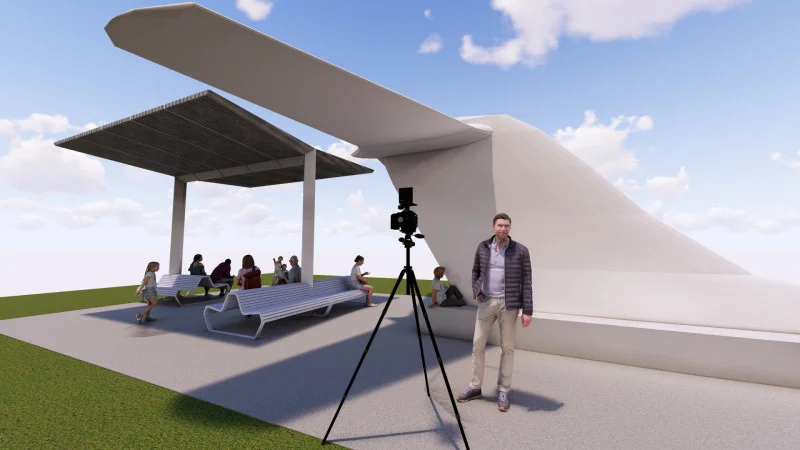
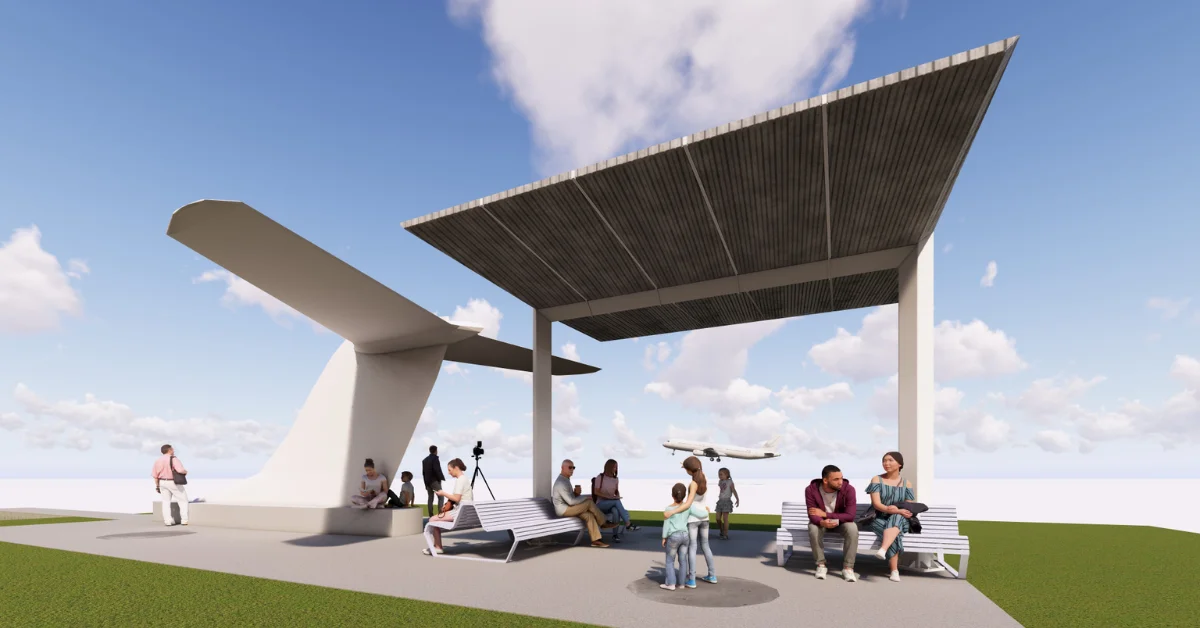
As part of its 100th anniversary celebrations, a new plane spotting area anchored by a retired aircraft tail is planned within the Brisbane Airport precinct, with improved viewing conditions designed for aviation enthusiasts and visiting families.


Centenary Plans Drive New Viewing Precinct

Brisbane Airport has announced plans for a new plane spotting precinct as part of its centenary celebrations. The project responds to increasing public interest in watching aircraft operations up close.

The new facility will be positioned south of the existing viewing platform, which will close temporarily while construction is underway.

Nundah plane spotting area
Photo Credit: Brisbane Airport

Retired Aircraft Forms Central Feature

The centrepiece of the viewing area will be the tail of a decommissioned Fokker F28 Fellowship. The 50-year-old aircraft tail was donated by Aviation Australia.

The installation creates a historical connection to another Fokker aircraft on display at Brisbane Airport, the Southern Cross, reinforcing the site’s aviation heritage.

Clearer Views of Aircraft Movements

The elevated platform will be located closer to the Zulu and Yankee taxiways than the current viewing area. This positioning is expected to provide less obstructed views of aircraft taxiing to and from the western runway.

Visitors will also be able to see aircraft landing and departing on the eastern runway, offering broader coverage of airport activity from a single location.

Facilities Designed for Visitors

Plans include shade and shelter, along with seating to improve comfort for families and photographers. The layout is intended to support longer visits and regular plane-spotting activity.

Brisbane Airport
Photo Credit: Pexels

Longstanding Interest From Plane Spotters

Long-time plane spotters have welcomed the announcement, noting the opportunity to be closer to aircraft movements. Some regular visitors have followed aviation activity at the airport since its earlier operations at Eagle Farm.

Construction Timeline and Opening

Construction is scheduled to take place in 2026 and will require about 927 cubic metres of fill to establish the foundations. The existing viewing area will be closed during this period.


Brisbane Airport expects the new plane spotting precinct to open in 2026, with one report indicating the opening will occur in the second half of the year.

Published 27-Dec-2025

Brisbane Airport Metro Extension Study Faces Delays as New Bus Plan Proposed

A critical fifty-million-dollar investigation into extending the high-frequency Metro network to Brisbane Airport and major suburban hubs has yet to begin despite receiving funding approval.


Brisbane Airport
Photo Credit: Brisbane Metro

Nearly eight months have passed since the federal government agreed to fund a rapid business case for four proposed extensions. These routes would connect the city centre to Carseldine, Springwood, Capalaba, and the airport. While the money is ready, the actual work to assess these vital connections has not started.

Brisbane Lord Mayor Adrian Schrinner indicated that progress is happening behind the scenes. He noted that major engineering and construction firms have already shown interest in the project. According to Schrinner, the council is currently finishing agreements with state and federal authorities on how the business case will be managed and rolled out.

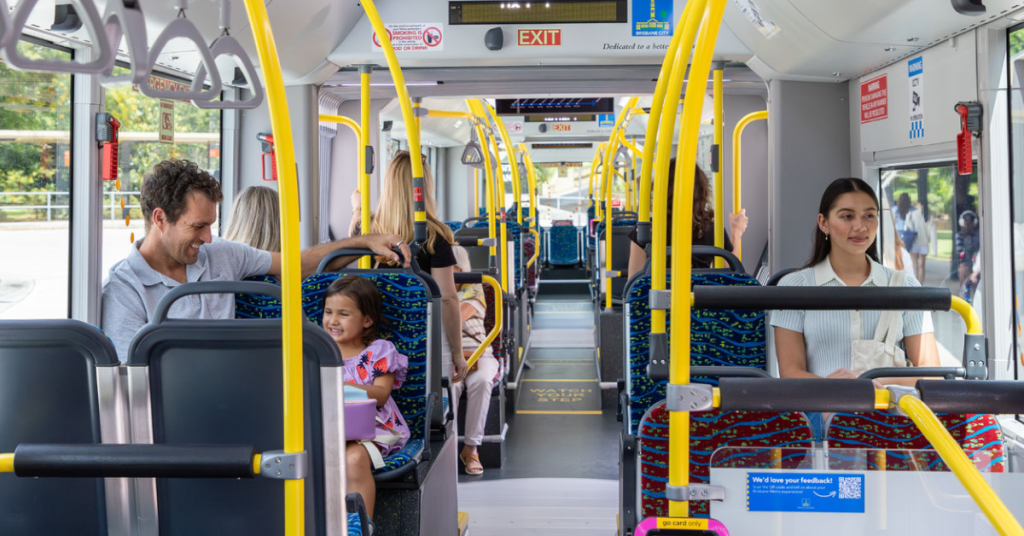
As the airport extension study waits for the green light, transport advocates are proposing a different solution to help commuters right now. The RACQ has suggested a network of “Metro Glider” services. These would be smaller, more agile electric buses designed to move people from suburban streets onto the main train and busway lines.

Brisbane Airport
Photo Credit: Brisbane Metro

RACQ general manager of advocacy Joshua Cooney viewed the expansion of the Brisbane Metro into the wider South East Queensland region as a quick and effective way to fix public transport gaps. He suggested that these smaller gliders could serve busy corridors that the larger Metro vehicles cannot reach. Areas like Lutwyche, South Pine, and Wynnum roads could benefit from these connectors.

The proposal also highlights the potential for gliders to link residents in Ipswich, Redcliffe, the Gold Coast, and Caboolture to their nearest train stations. Cooney explained that these vehicles could be on the road much faster than new train lines because they use existing roads and do not require heavy construction.


The push for expansion comes as the current Metro services see high passenger numbers. Since the M2 line between UQ Lakes and the Royal Brisbane and Women’s Hospital started early in the year, it has recorded more than 3.3 million trips. The M1 line, which runs from Eight Mile Plains to Roma Street, has also seen strong usage, with nearly one million trips since its launch in June.

Cooney noted that if the city gets this right, Brisbane could set a benchmark for urban planning that other growing cities might follow.

Published Date 18-December-2025

Golf Chipping World Record Attempt Set for Brisbane Airport

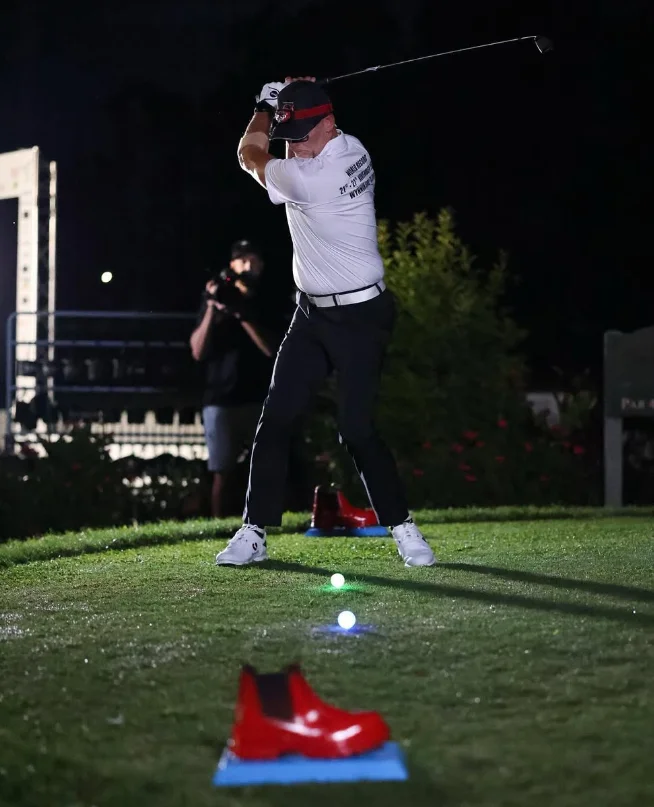
Brisbane golf enthusiast Mick McLoughlin will attempt a 24-hour golf chipping world record at Brisbane Airport to raise funds for Ronald McDonald House Charities.


Sporting Greats Support World Record Bid

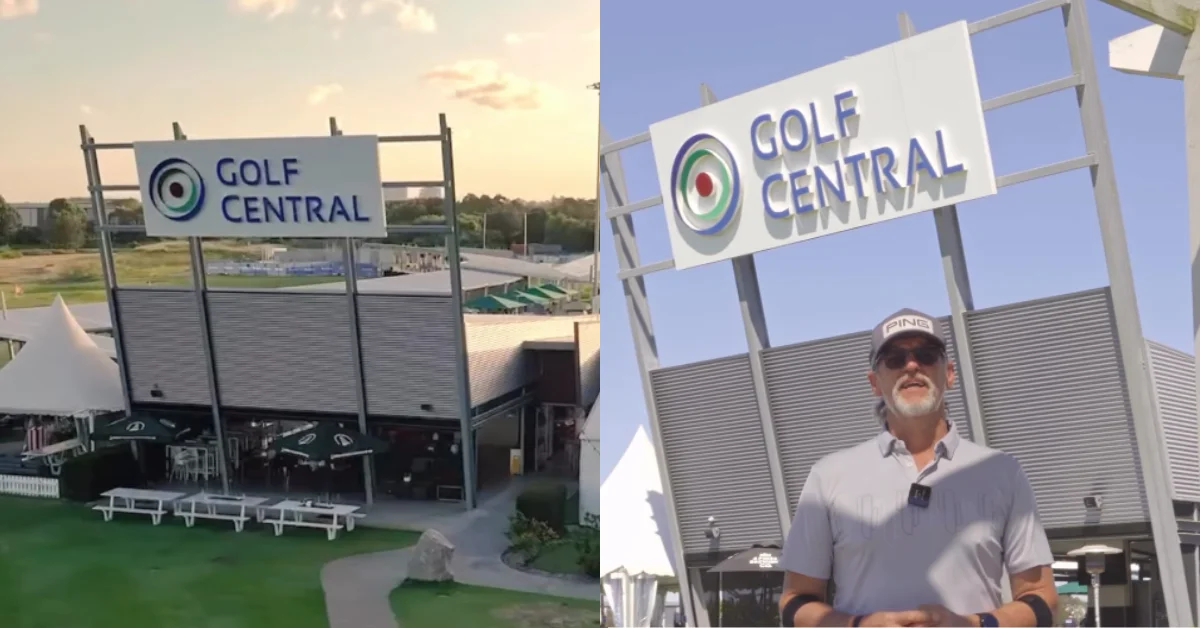
High-profile sports figures including Sam Thaiday, Corey Oates, Josh McGuire, Robbie Dolan and Romy Teitzel have backed Mick McLoughlin by donating golf balls and joining him in practice ahead of his record attempt. The event, known as Chipping for Charity, will take place at Golf Central, Brisbane Airport, from midday Friday, 17 October to midday Saturday, 18 October.

 golf chipping world record
Photo Credit: Mick’s Golf Challenge/Instagram

Background And Past Achievement

McLoughlin is no stranger to endurance golfing challenges. In 2021, he set a Guinness World Record by playing 2,001 holes in seven days. That effort raised $342,000, surpassing his target of $250,000 for Ronald McDonald House Charities. The funds supported families of children receiving medical care, providing accommodation and meals.

The Challenge Ahead

This time, McLoughlin is preparing to break a record that has stood since 2002, which required 10,392 successful chips in 24 hours. His goal is to chip at least 11,000 balls using a 3-wood, with training and preparation underway for more than 12 months. The idea was sparked by his son, who noticed his pace during practice.

Physical Strain And Determination

McLoughlin has spoken about the physical toll, citing tendinitis in both arms, tennis elbow, wrist and knee issues, and foot problems. Despite these challenges, he has committed to the attempt, motivated by the families supported by Ronald McDonald House Charities. He aims to once again raise several hundred thousand dollars through the event.

 Mick's Golf Challenge
Photo Credit: Mick’s Golf Challenge/Instagram

Community Involvement And Donations

More than 11,000 golf balls are required for the attempt. Collection bins have been placed at Golf Central at Brisbane Airport, Wynnum Golf Club and Nudgee Golf Club. Members of the public are encouraged to donate old balls, attend the event, volunteer, or make a contribution through the official Chipping for Charity website.

Fundraising Progress

Ahead of the record attempt, fundraising efforts have already reached over $11,000 towards a goal of $250,000. All proceeds will go towards Ronald McDonald Houses across Australia, helping provide accommodation and support for families of sick or injured children.

Next Steps


McLoughlin will begin his 24-hour challenge at Golf Central, Brisbane Airport, at 12 p.m. on Friday, 17 October, with the goal of finishing at 12 p.m. on Saturday, 18 October. The outcome of the record attempt will be determined by the number of successful chips into the target zone.

Published 3-Oct-2025

Flight Path Proposals at Brisbane Airport Draw 1,300 Responses

More than 1,300 community submissions have been received on proposed new flight paths at Brisbane Airport, reflecting widespread concern over aircraft noise.


Background and Context

Brisbane Airport’s $1.1 billion second runway opened in July 2020, significantly altering aircraft movements across the city. Since then, noise complaints have increased, particularly from suburbs newly affected by low-flying aircraft.

Airservices Australia developed the Noise Action Plan for Brisbane in response to these concerns, aiming to reduce the impact of aircraft operations by redistributing flight paths. Consultation on Package 3 of the plan ran until 17 August 2025, later extended to 24 August 2025.

The airport currently manages about 615 aircraft movements a day, with forecasts estimating this will rise to 1,046 per day by 2046, excluding freight traffic, which is not expected to grow significantly.

Brisbane flight paths
Photo Credit: Pexels

Proposed Flight Path Changes

The proposals include adjustments to both arrivals and departures, with the aim of shifting some routes offshore over Moreton Bay and spreading noise across a wider area.

According to Airservices, suburbs including Redland, Bribie Island and Samford could see reduced traffic, while some new routes could affect areas such as Kenmore.

Separately, consultation materials show potential changes in the north-west and south of the city. These would reduce traffic over Samford Valley, Cedar Creek and Logan, while increasing overflights for suburbs including Everton Park, Brisbane CBD, Bulimba, Balmoral and West End.

Alternatives and Noise-Sharing Approach

To reduce concentrated impacts, Airservices has promoted a “noise-sharing” strategy, meaning more communities will experience aircraft noise but less frequently. This includes maximising use of Simultaneous Opposite Direction Parallel Runway Operations (SODPROPS) over Moreton Bay when conditions permit.

Preliminary Environmental Impact Assessments were released for Package 3 proposals, covering departures and arrivals over land and water. Heat maps and usage statistics based on 2019 and 2024 flight data were also provided to help communities assess potential changes.

Brisbane Airport
Photo Credit: Pexels

Community Sentiment

Public submissions exceeded 1,300 on the flight path changes, while just 42 submissions had been received on the airport’s long-term masterplan as of late August.

Residents reported disrupted sleep, with some counting more than a dozen aircraft overhead within half an hour. Community groups argue that shifting noise does not solve the problem and have called for measures such as night curfews and flight caps, similar to restrictions at Sydney, Adelaide and the Gold Coast airports.

Concerns have also been raised about expected growth in flights in the lead-up to the 2032 Olympic and Paralympic Games.

Community Wellbeing Support

In recognition of the stress linked to aircraft operations, Airservices has extended an independent counselling service through Converge International. The program is available free of charge to any community member and covers support for sleep issues, personal stress, mental health and other concerns.

Next Steps


Airservices Australia will review all feedback and determine which options can be implemented. The consultation is part of the broader Noise Action Plan for Brisbane, with outcomes expected to guide long-term planning for the airport. Expansion plans also include a third terminal by 2031 and land reserved for potential future runway extensions.

Published 3-Sep-2025

Brisbane Airport Growth Plans Highlighted in 2026 Draft, Consultation Open

Brisbane Airport has released its 2026 Preliminary Draft Master Plan for public consultation, outlining expansion projects and noise measures affecting surrounding suburbs.


Background to the Draft Plan

The Brisbane Airport 2026 Preliminary Draft Master Plan was made public on 4 August 2025, opening a 60-business-day consultation period ending on 30 October 2025. The document outlines a 20-year vision, including more than $5 billion in planned sustainable infrastructure investment over the next decade.

Brisbane Airport Corporation projects passenger numbers will grow from 25.7 million in 2026 to 52 million by 2046. The airport’s direct workforce is expected to double from 25,000 to 50,500 jobs during the same period. Economic contribution is forecast to increase from $5.6 billion to $11.5 billion annually.

airport expansion
Photo Credit: Brisbane Airport

Third Terminal and Airport Development

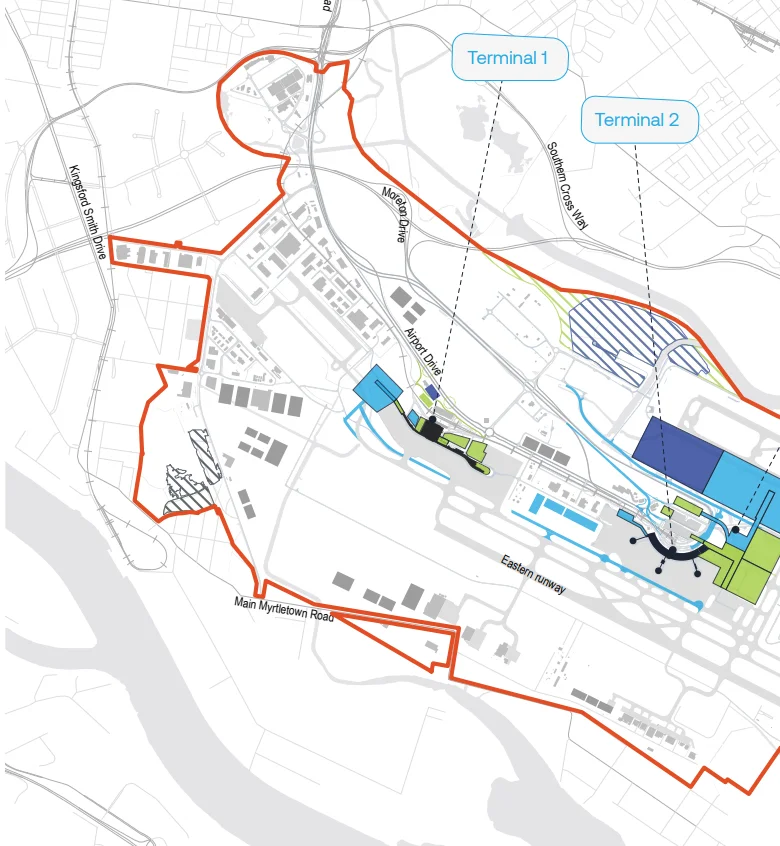
A third terminal is planned within the next decade to meet future demand. It is expected to be a domestic–international hybrid, allowing passengers to connect between flights without moving to a different terminal. The terminals will be renamed numerically as 1, 2, and 3.

Work on the new terminal’s tarmac is scheduled to begin next year, with expansion capacity built in for future growth. No name change for the airport is proposed.

2026 Master Plan
Photo Credit: Brisbane Airport

Transport and Connectivity

The plan reserves a rail corridor for a future Metro line connection, although operations cannot begin before 2036 due to an exclusivity agreement with the current Airtrain service. Upgrades to cycling, pedestrian, and motorist access are also proposed.

Noise and Community Concerns

Aircraft noise remains a concern for nearby suburbs. The master plan suggests quieter jet engine technology and routing more flights over Moreton Bay to reduce suburban noise. Airservices Australia is seeking feedback on possible flight path changes to address community concerns.

Brisbane Airport
Photo Credit: Brisbane Airport

Security and Emerging Technology

Security screening upgrades will allow passengers to leave laptops in carry-on luggage, aiming to reduce wait times. The plan also allocates space for electric vertical take-off and landing (eVTOL) aircraft, sometimes referred to as flying taxis, though this technology remains in early development and faces regulatory challenges.

Public Engagement and Next Steps


Public engagement activities include community events across Brisbane, information booths in airport terminals, and online access to the full draft plan. Members of the public can review the document and provide feedback until 30 October 2025 via the airport’s website.

Published 10-Aug-2025

Brisbane Airport-Based Stralis Leads Hydrogen Aircraft Push in Japan

Stralis Aircraft, headquartered at Brisbane Airport, has formalised a new aviation research agreement in Japan, reinforcing Queensland’s role in advanced manufacturing and sustainable flight technologies.


Background and Context

Queensland recently concluded its largest education and research trade mission to Japan and Taiwan, focused on rebuilding international partnerships across education, research, and high-tech manufacturing. The delegation of 37 sector representatives showcased the state’s capabilities and met with overseas institutions, education agents, and government partners. The mission also supported the rollout of the Queensland–Japan Trade and Investment Strategy 2025–2028.

Stralis Aircraft
Photo Credit: Stralis

Hydrogen-Electric Aircraft Agreement Anchored at Brisbane Airport

A central outcome of the mission was the signing of a Memorandum of Understanding between Brisbane Airport-based Stralis Aircraft and Japan’s Akita University and Akita Prefectural University. The agreement will see Stralis test its hydrogen-electric propulsion systems at Japan’s Joint Research Center for Electric Architecture.

The company’s Brisbane Airport facility is the base for its development of hydrogen-electric aircraft technology aimed at significantly reducing emissions and operating costs. Stralis claims its proprietary powertrain is six times lighter than traditional fuel cells and offers ten times the range of battery-electric aircraft. A demonstration of the hydrogen-powered Bonanza aircraft in Japan is planned for late 2026.

Education and Research Outcomes Across the Region

Beyond aerospace, the trade mission enabled new student mobility programs, research collaborations, and exchange agreements with Japanese and Taiwanese universities. A biotech roundtable in Taiwan focused on clinical trials and medtech development.

The mission also promoted Queensland’s immersive education model to Japanese students and connected regional Queensland institutions with education agents in Tokyo and Taipei. These activities are aimed at boosting enrolments and ensuring benefits reach communities beyond the southeast.

hydrogen aviation
Photo Credit: Trade and Investment QLD/Facebook

Strategic Support for Clean Aviation Growth

Japan is targeting 2035 for the commercial rollout of decarbonised passenger aircraft. The Stralis partnership supports this timeline while expanding research and workforce development opportunities in Queensland. The agreement also includes training programs for aviation technicians and engineers to support hydrogen-powered aircraft development.

Trade and Investment Queensland assisted in linking Stralis with Japanese research centres and aviation stakeholders. The collaboration reflects Queensland’s broader aim to contribute to global aerospace innovation through its Brisbane Airport-based industry assets.

Next Steps for Queensland’s Aerospace Sector


The hydrogen-electric propulsion trials are expected to begin in partnership with Japanese institutions, while Stralis continues development and workforce expansion at its Brisbane Airport base. The broader trade mission outcomes are projected to support over 30,000 jobs in Queensland’s international education sector and further establish the state as a hub for advanced manufacturing and sustainable aviation.

Updated 5-August-2025. Published 24-July-2025

Brisbane Airport Industrial Precinct Set to Become Global Quantum Hub

The Brisbane Airport industrial precinct has been chosen as the site for one of the most ambitious technology projects in the world: the development of the world’s first utility-scale, fault-tolerant quantum computer by Silicon Valley-based company PsiQuantum.


Read: Quantum Cooling Facility to Power Computer Project Near Brisbane Airport


Backed by nearly $1 billion in funding from the federal and state governments, this groundbreaking facility will put Brisbane at the forefront of the quantum computing revolution.

Why Brisbane Airport Industrial Precinct?

Brisbane Airport industrial precinct
Photo credit: Mark Brian/Google Maps

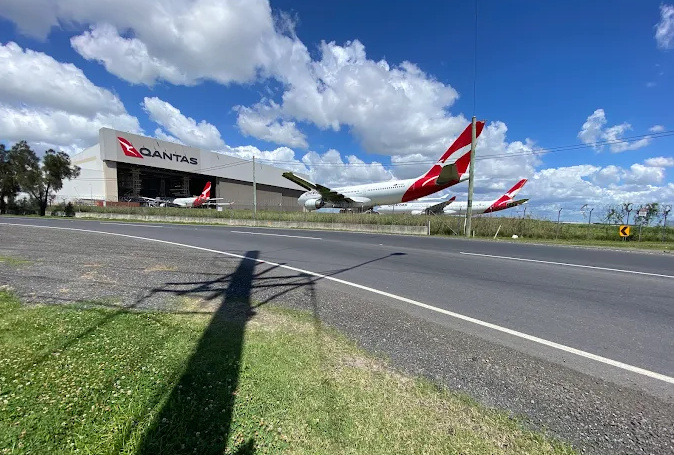
The Brisbane Airport industrial precinct offers a perfect combination of advanced infrastructure, stable power supply, and close proximity to leading research institutions—making it an ideal location for such a complex and large-scale project. Situated near the Qantas maintenance hangars, the site provides ample space for the quantum computer’s massive warehouse-style structure, as well as office and laboratory facilities.

This location supports efficient logistics and collaboration, positioning Brisbane Airport not just as a transport hub, but as a global innovation centre where cutting-edge quantum technology will be developed and scaled.

What is a Quantum Computer?

Quantum computers are not just faster versions of the laptops or smartphones we use today. They’re an entirely different kind of machine, built on the rules of quantum physics.

While traditional computers process information using bits (which can be either a 0 or a 1), quantum computers use qubits, which can be both 0 and 1 at the same time. This strange property, known as superposition, allows quantum computers to explore vast numbers of possibilities all at once.

A regular computer is like reading one book at a time. A quantum computer is like reading every book in the library at once.

Why does it matter?

Quantum computers have the potential to solve problems that today’s computers would take thousands of years to crack. They’re expected to revolutionise a number of industries — and that could benefit all of us. Some of the most exciting possibilities include:

  • Medical breakthroughs – Designing new medicines by simulating molecules with extreme precision.
  • Climate solutions – Running complex models to better understand and respond to climate change.
  • Faster, smarter logistics – Helping airlines, delivery companies, and supply chains run more efficiently.
  • Next-generation security – Creating new forms of encryption (and also challenging current ones).

Quantum vs. Classical Computers — A Quick Comparison

Classical ComputerQuantum Computer
Basic unitBit (0 or 1)Qubit (0 and 1 at the same time)
Computing powerGrows step by stepGrows exponentially with each added qubit
Best atEveryday tasks (emails, documents)Complex simulations, optimisation, AI modelling
Real-world use casesBrowsing, gaming, office workDrug discovery, climate modelling, advanced AI

The Quantum Leap Forward at Brisbane Airport

Brisbane Airport industrial precinct
Photo credit: PsiQuantum

PsiQuantum’s quantum computer will use photons—particles of light—as qubits, allowing the system to operate at a comparatively “warm” temperature of 4 Kelvin (-269°C), thanks to advanced silicon photonic chips. This is a significant advantage over other quantum machines that require temperatures close to absolute zero, making it easier to scale up to the millions of qubits necessary for fault-tolerant computing.

A key part of the project is a massive cryogenic cooling plant, designed and built by global leader Linde Engineering, which will keep the quantum chips at the ultra-cold temperatures they need to function reliably. Construction at the Brisbane Airport site will begin in 2025, with an initial operational launch expected by the end of 2027.

PsiQuantum aims to reach a full-scale quantum computer with about one million qubits by 2029, unlocking unprecedented computing power that could transform fields such as drug discovery, climate modelling, artificial intelligence, and beyond.


Read: New Look, New Era: Brisbane Airport Celebrates Centenary with Brand Refresh


With this landmark project, Brisbane Airport’s industrial precinct is poised to become a global centre for quantum technology and innovation, marking a major step forward for Australia’s role in next-generation computing.

Published 28-May-2025

Quantum Cooling Facility to Power Computer Project Near Brisbane Airport

A large-scale cryogenic facility comparable to a supermarket is set to be installed near Brisbane Airport to support PsiQuantum’s development of a full-scale quantum computer.


Background and Context

A global initiative to build a utility-scale quantum computer has taken a major step forward with the planned installation of a large cryogenic cooling plant near Brisbane Airport. The project is being led by Silicon Valley-based firm PsiQuantum and is supported by a $470 million commitment from the State. A matching contribution from the federal government brings the total investment to nearly $1 billion.

The project was outlined in the Managing Queensland’s Debt and Investments 2024 report, which detailed various financial priorities, including the state’s rising capital program and infrastructure outlays.

quantum computer
Photo Credit: PsiQuantum

Quantum System Requirements

At the centre of the Brisbane development is a cryogenic plant built by German company Linde Engineering. The system will operate at 4 Kelvin, or -269°C, using helium gas cooled to a liquid state. The facility will span nearly 3437 square metres, making it the largest cryoplant built specifically for quantum computing.

PsiQuantum’s approach differs from traditional quantum computing designs by using photons instead of matter-based qubits, allowing operation at slightly higher temperatures than systems that require near absolute zero conditions.

This design has enabled faster development towards a 1-million-qubit computer — the level at which quantum systems are expected to begin solving complex, real-world problems in fields such as medical research, clean energy, and industrial chemistry.

PsiQuantum
Photo Credit: PsiQuantum

Local and International Links

The site near Brisbane Airport was chosen partly due to existing research networks in Queensland. PsiQuantum is collaborating with five Queensland universities—including UQ, Griffith, QUT, and USC—leveraging local academic links, with two of its founders having studied in the state.

PsiQuantum is also establishing a test laboratory at Griffith University while the primary facility is under construction, with an aim to develop a skilled local workforce.

cryoplant near Brisbane Airport
Photo Credit: PsiQuantum

Next Steps

The cryogenic plant is being built in Europe and will later be transported to Brisbane for assembly. Once completed, it will be assembled by local engineers. The facility is expected to form the foundation of the world’s first commercial-scale quantum computing system.


The state’s investment is part of a broader capital works program contributing to increased debt levels, with total borrowings reaching $139.2 billion as of 30 June 2024. Despite this, Queensland’s investment signals a focus on long-term innovation and technology development through projects such as the Brisbane quantum computer.

Published 10-May-2025

Brisbane Airport Contamination Case Delayed as Court Grants More Time

The ongoing legal dispute over toxic chemical pollution at Brisbane Airport has been delayed after Airservices Australia was allowed to file new expert evidence.


Background to the Contamination Dispute

Brisbane Airport Corporation (BAC) is pursuing legal action against Airservices Australia (ASA) over contamination linked to firefighting foam used at Brisbane Airport between 1988 and 2010. The firefighting foams contained per- and polyfluoroalkyl substances (PFAS), often labelled as “forever chemicals” because they remain in the environment for extended periods.

The case was initiated in 2017 and is considered one of Queensland’s most complex environmental legal proceedings. BAC is seeking to recover clean-up costs from ASA.

Court Allows New Expert Evidence

On 24 April 2025, the Supreme Court of Queensland ruled that ASA could submit two additional expert reports, one from an environmental chemist and the other from a hydrologist, by 31 August 2025. These reports are expected to support ASA’s defence ahead of the scheduled 12-week trial in August 2026.

BAC maintained the reports should be submitted by 2 June 2025 to minimise additional delays. However, the court opted for a later deadline to ensure the completeness and reliability of the evidence.

Delays and Criticism of ASA

The court noted ASA’s repeated failures to meet deadlines, including missed document submissions in late 2024. The delays have placed pressure on BAC’s lead expert witness, who is 71 and expected to retire by the end of 2025.

Justice Paul Freeburn criticised ASA’s conduct but concluded that a fair trial required allowing the new evidence. He acknowledged the potential for further procedural delays due to dependencies between expert reports.

Brisbane Airport
Photo Credit: Brisbane Airport/Facebook

Next Steps in the Legal Process


The court will next consider formal orders and which party should bear the legal costs associated with ASA’s late application. The trial remains listed in the Supreme Court’s Commercial List and is scheduled to commence in August 2026.

Published 1-May-2025