
50 Years Of The Port Of Brisbane: From Bold Vision To Queensland Trade Powerhouse

Fifty years after it was established to transform Queensland’s maritime future, the Port of Brisbane is celebrating a milestone that reflects decades of growth, innovation, and long-term planning. What began in 1976 as an ambitious response to the limitations of Brisbane’s ageing river port facilities has become Queensland’s primary trade gateway, handling billions of dollars in international commerce each year while quietly supporting businesses and communities across the state.


Read: Community Welcomed Aboard HMAS Brisbane During Special Port of Brisbane Visit


Although much of its work happens out of public view, the port plays a key role in moving imported goods, exports, vehicles and hundreds of different commodities. The Port of Brisbane describes itself as an essential but often unseen part of the state’s economy, connecting Queensland with global markets while enabling the flow of goods relied on by households and businesses alike.

Today, the port facilitates about $73.5 billion in international trade annually, accounts for more than 95 per cent of Queensland’s container imports and exports and motor vehicle movements, and is home to more than 80 trade-related businesses. The precinct also supports more than 10,000 jobs, making it one of South East Queensland’s largest industrial hubs.

Rather than positioning itself in the spotlight, the organisation has long embraced its reputation as a “best kept secret”. Port of Brisbane CEO Neil Stephens has said the ideal outcome is that most people never have to think about the port because that usually means it is operating efficiently behind the scenes. This year, however, the organisation is taking the opportunity to reflect on the vision that shaped its creation while looking ahead to the decades still to come.

A Trade Gateway Built For The Future
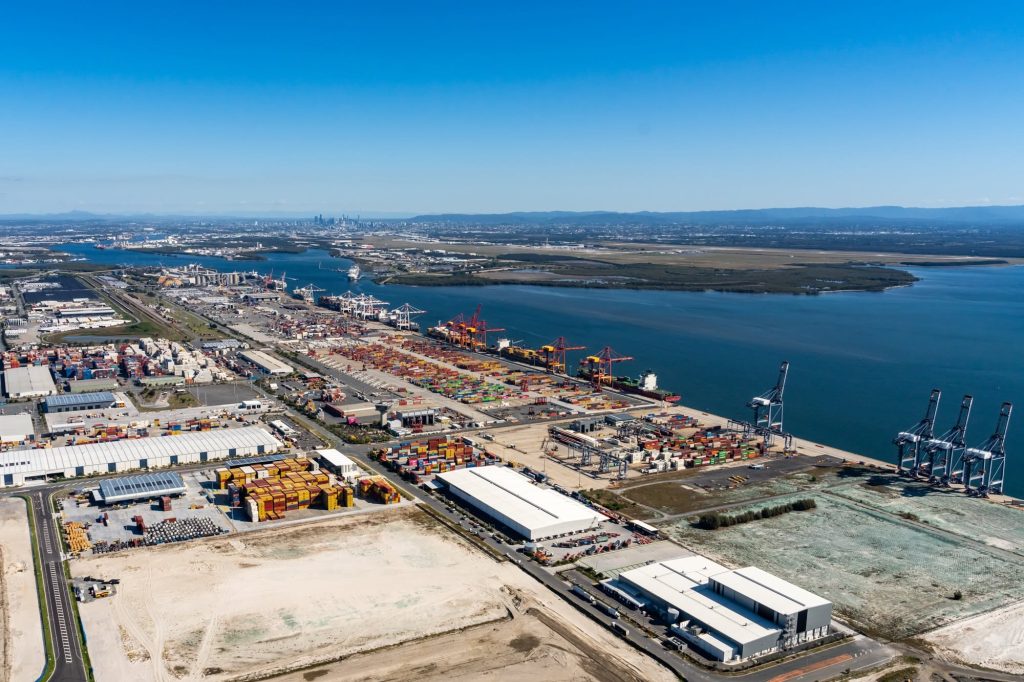
Photo credit: Facebook/Port of Brisbane Pty Ltd

The Port of Brisbane has evolved well beyond its original purpose of accommodating larger ships. Today it is Australia’s largest capital city port by land area, covering almost 1,900 hectares and continuing to plan for future growth.

Much of Fisherman Islands has itself been created through decades of carefully managed land reclamation using material dredged from the shipping channel. Maintaining that channel remains one of the port’s most important responsibilities, ensuring increasingly larger vessels can safely reach Brisbane.

Former senior engineering and strategy executive Robert Nave has described the port’s development as the product of consistent long-term planning rather than short-term decision making. During his three decades with the organisation, he witnessed major engineering projects, advances in automation and sophisticated vessel management systems designed to safely accommodate larger container ships while minimising unnecessary dredging.

He has also highlighted the importance of environmental planning, noting that the port established comprehensive baseline environmental studies around Fisherman Islands and Moreton Bay decades ago. Those studies have enabled environmental changes to be measured over time and informed future planning as the port expanded.

Several milestones have shaped the modern port, including the opening of the first terminal in 1980, the arrival of its first container ship in 1981, the construction of the 4.6-kilometre seawall that enabled the Future Port Expansion area, Australia-first automation across all three stevedores in 2014, the implementation of NCOS Online in 2017, the opening of the Brisbane International Cruise Terminal in 2022, and the release of the Vision 2060 strategy in 2025.

How A Bold Decision Changed Brisbane
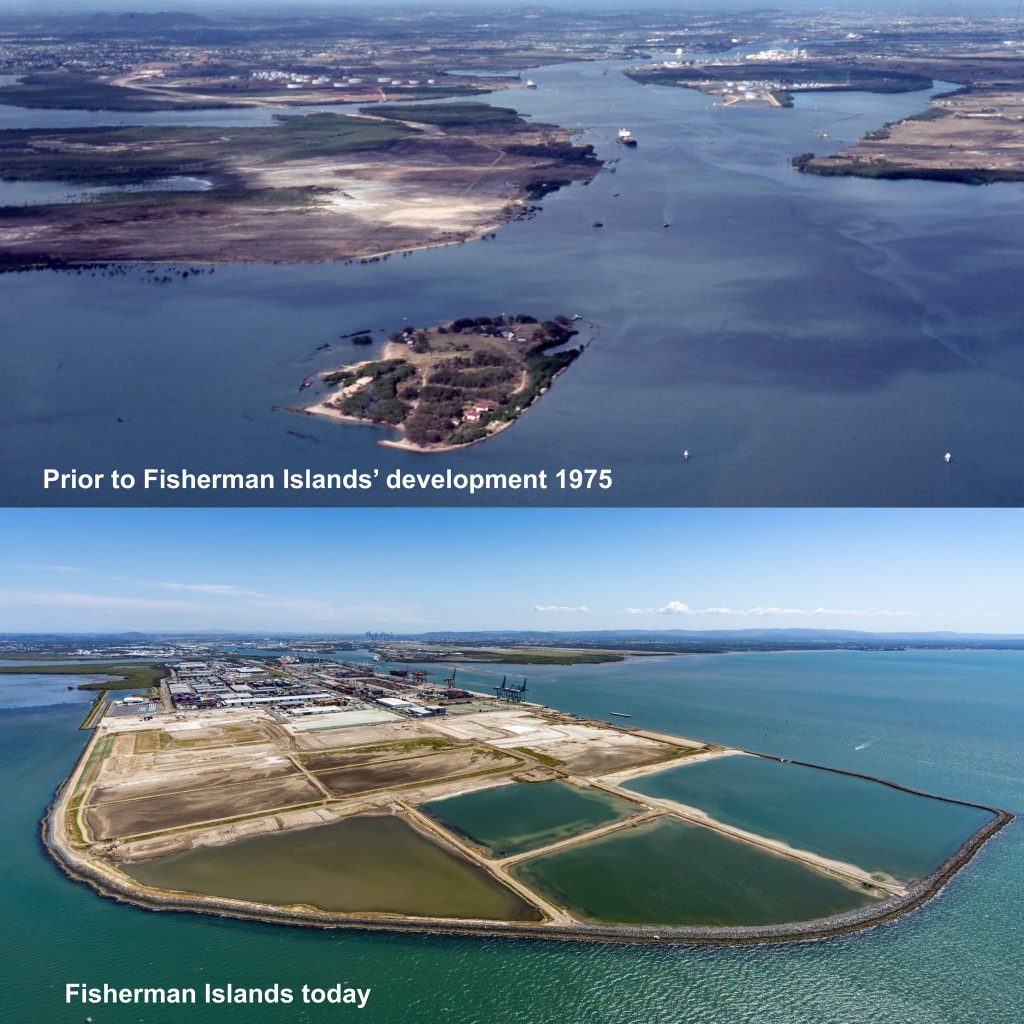
Photo credit: Facebook/Port of Brisbane Pty Ltd

The story of the Port of Brisbane began in the early 1970s when Queensland’s existing river port facilities at Hamilton, New Farm, and Bulimba were struggling to accommodate larger container vessels. Some ships were unable to berth, while others faced delays caused by tidal limitations, creating challenges for exporters and limiting Brisbane’s competitiveness.


Read: Port Of Brisbane Oyster Basket Project Turns Local Shell Waste Into Reef Habitat


A review examined several possible locations for a modern deepwater port before selecting Fisherman Islands because of its capacity to accommodate future generations of ships without requiring extensive river dredging. The recommendation required significant investment and entirely new infrastructure.

The Port of Brisbane Authority was established in 1976, with the first contract for port infrastructure awarded the following year, laying the foundations for a facility that has since grown into Queensland’s principal international trade gateway.

Half a century later, many of the developments anticipated in the original strategy, including larger container ships and growing trade with Asia, have come to pass. As the Port of Brisbane celebrates its 50th anniversary, it marks five decades of connecting Queensland with more than 145 countries and is planning for continued growth through its Vision 2060 strategy.

Published 24-July-2026. Updated 12-August-2026.
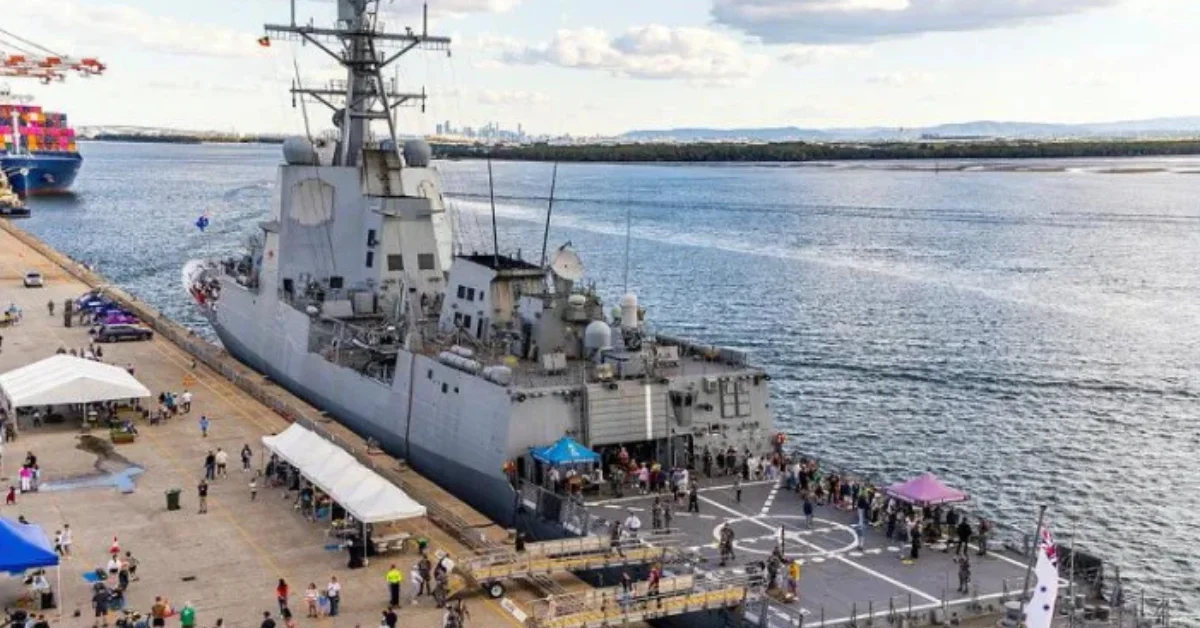
Community Welcomed Aboard HMAS Brisbane During Special Port of Brisbane Visit

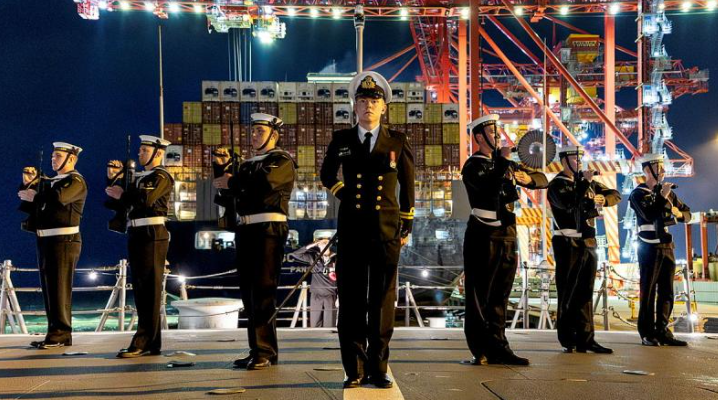
The arrival of HMAS Brisbane at the Port of Brisbane last May gave thousands of locals a rare opportunity to step aboard one of Australia’s most advanced warships, as the Royal Australian Navy combined tradition with community engagement during its 125th anniversary celebrations.


Read: Port Of Brisbane Oyster Basket Project Turns Local Shell Waste Into Reef Habitat


Over four days, the Hobart-class guided missile destroyer hosted a series of public and ceremonial events celebrating the Navy’s connection with Brisbane. The visit culminated in an open day on 31 May, with all 4,500 free admissions fully allocated to members of the public eager to explore the vessel, meet its crew and learn more about life at sea.

For many of the sailors, returning to the city their ship represents carried special significance.

Photo credit: defence.gov.au

Lieutenant Stevie Barrie, who joined the Navy in Brisbane at 17, said coming back aboard HMAS Brisbane after more than two decades of service felt like completing a remarkable journey. She reflected on how much had changed since she first enlisted and said being able to share the occasion with her family made the experience especially meaningful.

Commissioned in 2018, HMAS Brisbane is the third Royal Australian Navy vessel to carry the city’s name. Equipped with the Aegis combat system and advanced sensors and weapons systems, the destroyer contributes to Australia’s maritime security and operates alongside partner navies throughout the Indo-Pacific region.

The homecoming also highlighted naval tradition. On 29 May, the ship’s company exercised Brisbane’s Freedom of Entry, a ceremonial privilege symbolising the trust between a city and its armed forces. Led by Commanding Officer Commander David Mason, sailors marched through the Brisbane CBD with the Navy Band before taking part in a civic ceremony at King George Square, where members of the public gathered to watch the procession.

Cr Adrian Schrinner said the city was proud of the sailors serving aboard the warship that carries Brisbane’s name. He said the ship represents Brisbane wherever it sails and reflects the city’s spirit through its shared motto, “Aim at Higher Things.”

Photo credit: defence.gov.au

The visit also included a formal reception aboard the vessel attended by Defence representatives, community leaders and local stakeholders.

Commander Mason said welcoming the public aboard was one of the highlights of the visit. He said opening the ship allowed visitors to gain a better understanding of how sailors live and work while giving the crew an opportunity to connect with the community.

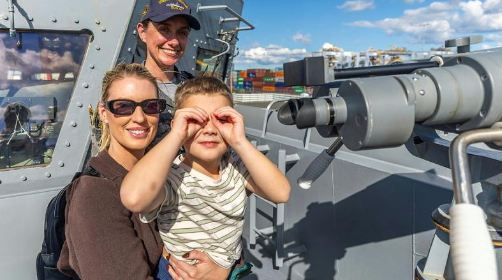
Families, veterans, and visitors of all ages toured the destroyer during the open day, learning more about naval life and the ship’s capabilities. Able Seaman Cameron Fittkau was among the crew taking part in the visit. A Brisbane local, he said returning to his home port as a member of HMAS Brisbane’s crew was a proud moment after seven-and-a-half years in the Navy. His family had previously toured the ship during an earlier public open day, making this visit particularly meaningful now that they could see him serving on board.


Read: Port of Brisbane Marks 500th Cruise Ship Call in Pinkenba


He also said he had originally planned to join the Army, following in his father’s footsteps, before learning more about the Navy’s future fleet and technology. After spending six years aboard the Navy’s landing helicopter docks, serving on HMAS Brisbane fulfilled one of his long-held career goals.

Supported by personnel from HMAS Moreton, the Navy Band Queensland, Defence exhibits and community partners, the visit gave Brisbane residents a glimpse into naval service and the capabilities of HMAS Brisbane.

Published 26-June-2026

Pinkenba Emerges As The Future Home Of A New Steel Mill

Alter Steel is developing a low-carbon reinforcing steel mill at Pinkenba after assessing potential locations across Australia for the large-scale project.


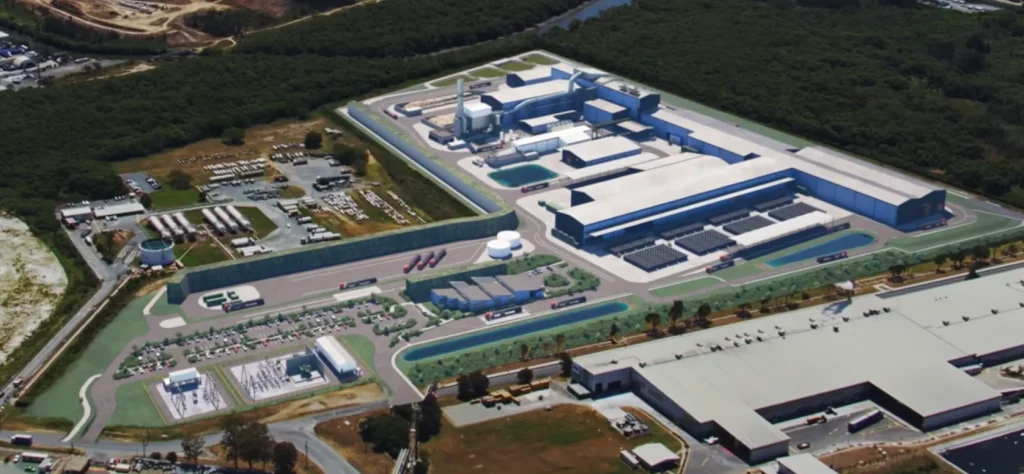
The planned $860 million mill will sit on a 23-hectare site in Brisbane’s north, about 10 kilometres from the city centre. The location places the project close to scrap supply, port and rail infrastructure, downstream customers and critical services including power, gas, water and oxygen supply.

Alter Steel has said projects of this scale depend on market demand, scrap availability, downstream processing, infrastructure and end users being located close together. Pinkenba was identified as one of the few places where those factors aligned.

Scrap Supply Near Pinkenba Steel Mill

The mill is planned to take 550,000 tonnes of scrap steel a year from the nearby Sims Metal plant and turn it into about half a million tonnes of reinforcing steel products for construction.

The project model places scrap processing, steelmaking, downstream processing and end-market demand within the same industrial corridor. Alter Steel has said that industrial proximity is intended to shorten transport distances, improve material efficiency and reduce emissions across the supply chain.

The project also builds on Alter Steel’s existing reinforcing steel operations, which form Australia’s second-largest reinforcing steel processing and distribution network.

 Alter Steel
Photo Credit: Alter Steel/LinkedIn

Lower-Carbon Steel Process Planned

The Pinkenba steel mill will use an electric arc furnace rather than a traditional integrated blast furnace.

Traditional integrated blast furnace steelmaking uses coking coal to produce the heat needed to turn iron concentrate into steel. Alter Steel’s planned process will instead use scrap steel and electric arc furnace technology, with scrap preheated before it enters the furnace to reduce power use and production time.

The company has said renewable energy sources such as wind and solar power will be used instead of coal- or gas-fired energy.

Alter Steel’s project material lists the planned process at 0.38 tonnes of CO₂ per tonne of steel, compared with 2.2 tonnes from conventional blast furnaces. It also lists an energy saving of 330kWh per tonne of steel.

Pinkenba industrial site
Photo Credit: Alter Steel/LinkedIn

Jobs And Construction Timeline

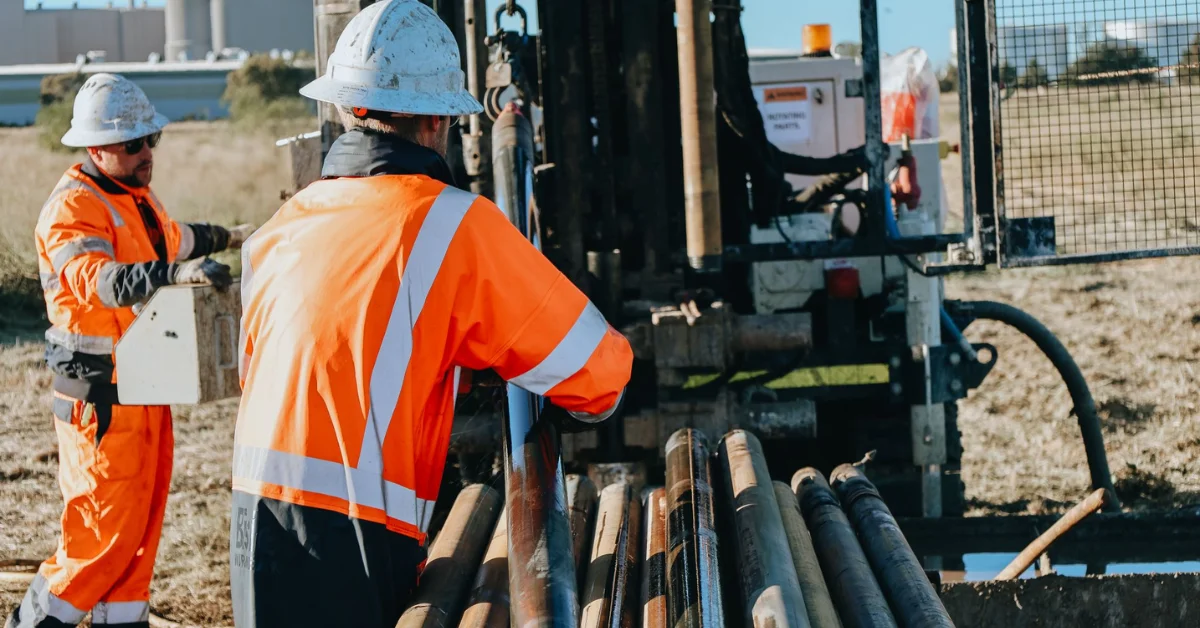
The project is expected to create more than 216 direct jobs, with the operation also expected to need workers in plant operations, maintenance and freight logistics.

Alter Steel has said Brisbane offers a strong catchment area for workers with relevant skills, while specialised training would be provided for the plant.

Main construction is planned for 2026. Completed 2025 milestones listed for the project include the Pinkenba site being secured with the Port of Brisbane, conditional development approval, geotechnical investigations, basic design and engineering, a technology supply agreement with Danieli, and a memorandum of understanding with Sims Limited for proposed scrap supply.


Alter Steel is a subsidiary of Western Australia-based Westview Group, a diversified business with building materials manufacturing operations across Australia.

Published 25-June-2026

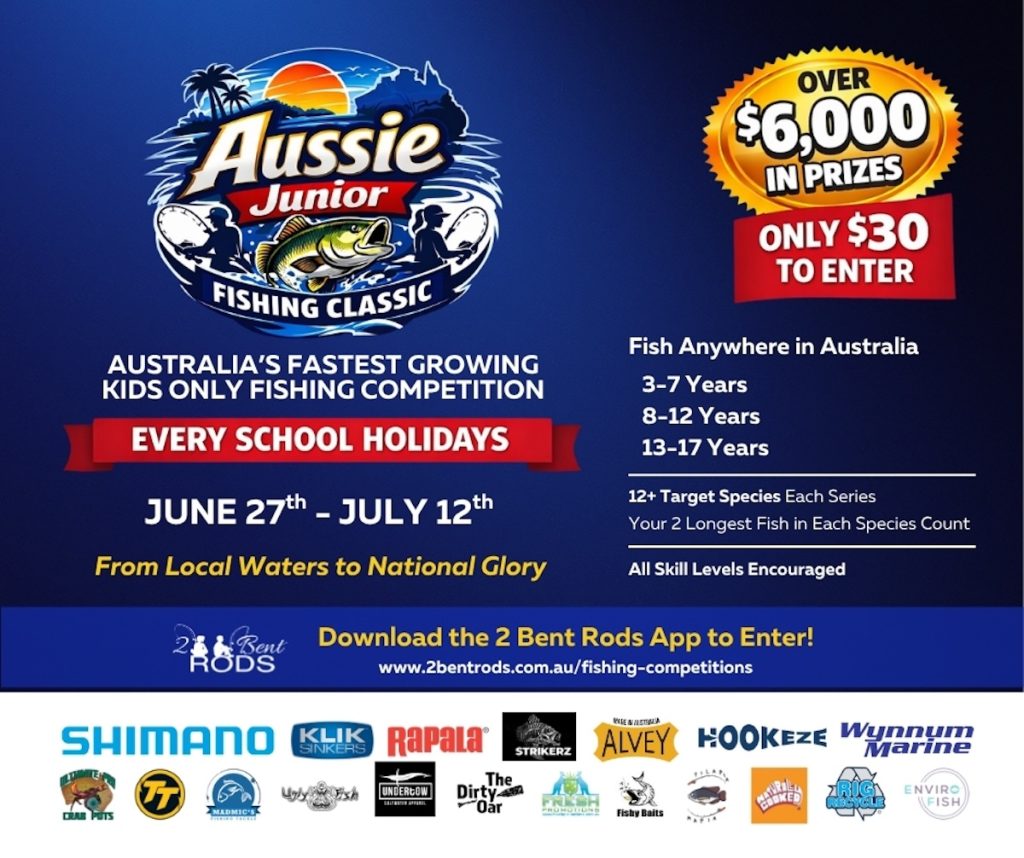
Nudgee Angler Lands Monster Fish During Aussie Junior Fishing Classic

“Time spent fishing is time well spent” has become a guiding motto for Nudgee teenager Nate Willcox, whose love of Brisbane waterways is now leading to big catches in a national junior competition.


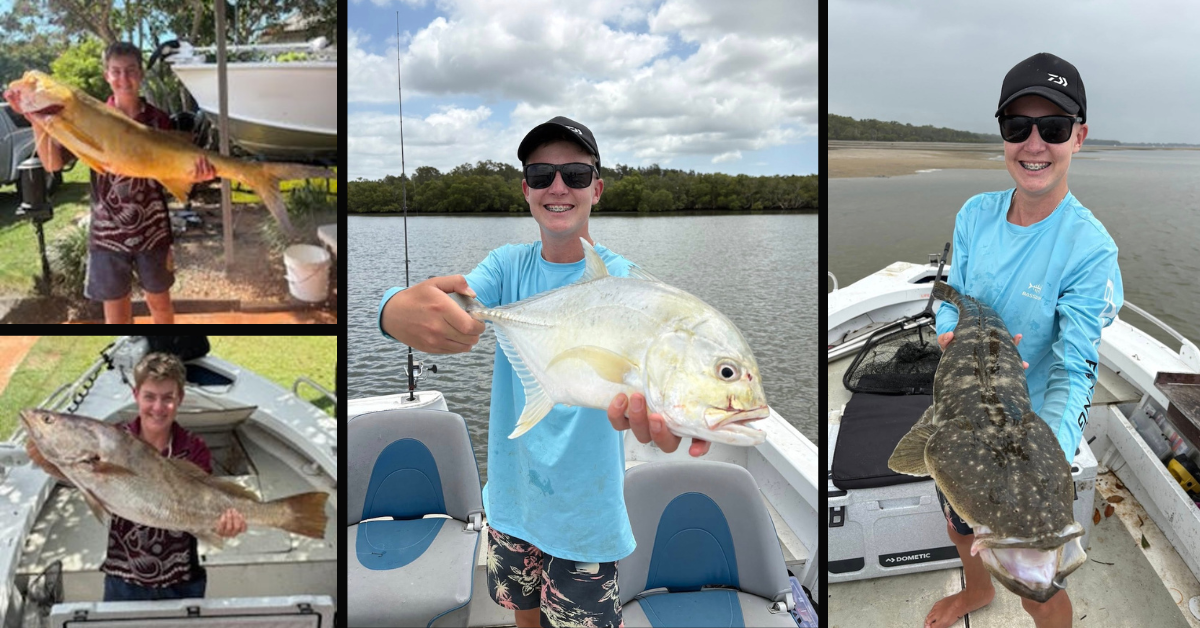
The 15-year-old recently landed several standout catches during the April round of the Aussie Junior Fishing Classic, including a 122 cm threadfin salmon and a 105 cm jewfish caught in local waters.

Run by Queensland organisation 2 Bent Rods, the competition gives young anglers aged between 3 and 17 the chance to fish anywhere in Australia while competing across multiple categories.

Growing Up Around Nudgee’s Waterways

Nate said he has loved fishing for as long as he can remember, with many of those early experiences happening alongside his mum, stepdad and relatives.

“My whole family loves going fishing,” he said.

“It doesn’t matter if we catch anything or not, it’s always good to spend time together and have a bit of rivalry on who catches the biggest fish.”

Fishing trips around Nudgee Beach and the Port of Brisbane eventually turned into something more serious as Nate began targeting larger species including jewfish, threadfin salmon and giant trevally.

He said the Port of Brisbane remains one of his favourite places to chase jewfish and threadfin, while Nudgee Beach is his preferred spot for whiting and flathead using yabbies and soft plastics.

Monster Catches During National Competition

During the April competition, Nate reeled in a 122 cm threadfin salmon using live herring and 20 lb leader. On the same night, he also hooked a 105 cm jewfish while chasing cod using live tailor bait.

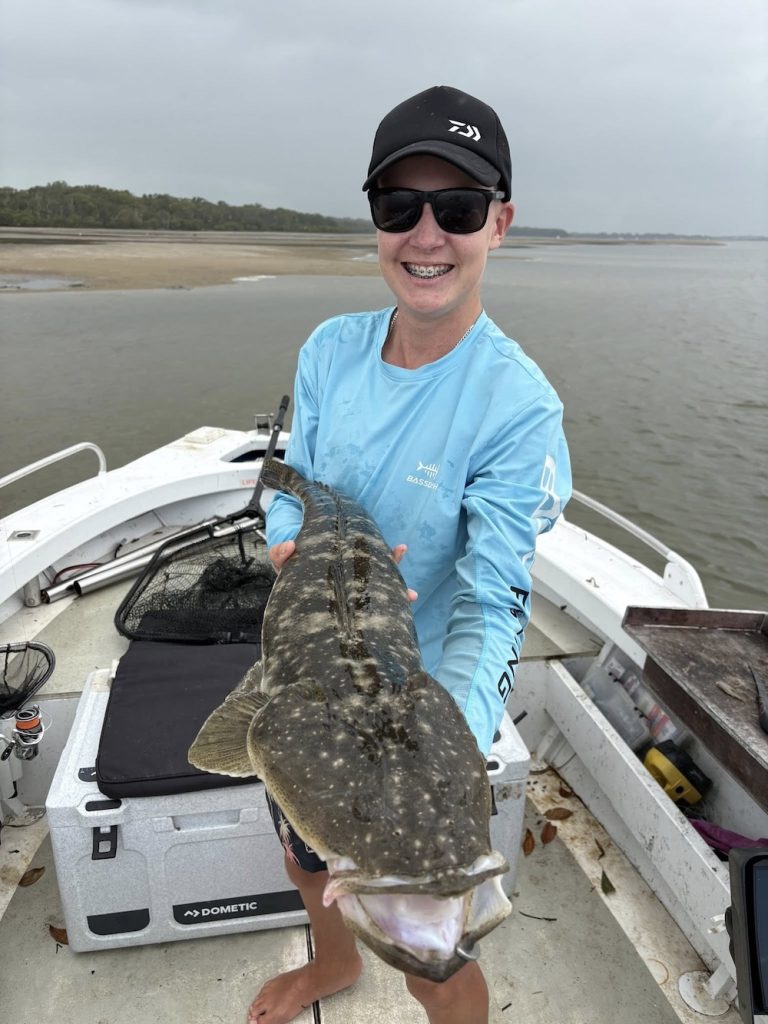
Photos shared from the event also show Nate holding an 85 cm flathead caught in shallow water near Bribie Island, along with a giant trevally landed on a topwater stick bait.

His favourite species, however, remains the mulloway, also known as jewfish.

“My favourite fish to catch is the Mulloway/Jewfish, especially when they get over that metre-10 mark,” he said.

Photo Credit: Supplied

Junior Fishing Event Continues to Grow

The Aussie Junior Fishing Classic started as the Queensland Kids Fishing Classic before expanding into a national competition over the past two years. According to 2 Bent Rods, the event was created to encourage young people to spend more time outdoors while building confidence through recreational fishing.

The competition now includes categories covering fish species, crab catches and environmental activities such as rubbish collection while fishing.

Organisers say the event has attracted families from across Australia as interest in youth fishing continues to grow.

Photo Credit: Supplied

More Than Just Catching Fish

While Nate’s catches have attracted attention online, he said one of the best parts of the competition is the chance to spend more time outdoors with mates and family.

“I can’t wait for the next AJFC so I can have an excuse to go fishing more but also to spend time with mates and get off screens,” he said. 

Another quote that has stayed with him is simple: “Chase fish, not drama and attention.”

Photo Credit: Supplied

The next Aussie Junior Fishing Classic will run from June 27 to July 12. The competition allows young anglers aged between 3 and 17 to fish from almost anywhere in Australia, provided they are fishing legally within local rules and regulations. 

Participants can enter catches across 15 categories, including species divisions, crab catches, most species caught and even a rubbish collection category designed to encourage care for waterways and the environment.

The event began as the Queensland Kids Fishing Classic before rapidly expanding into a national competition as more families joined from across the country. Organisers say the competition was created to give young people a fun and supportive way to enjoy the outdoors, spend time with family and build confidence through recreational fishing. 


More information is available through the 2 Bent Rods website and the AJFC Facebook group.

Published 25-May-2026

Port Of Brisbane Oyster Basket Project Turns Local Shell Waste Into Reef Habitat

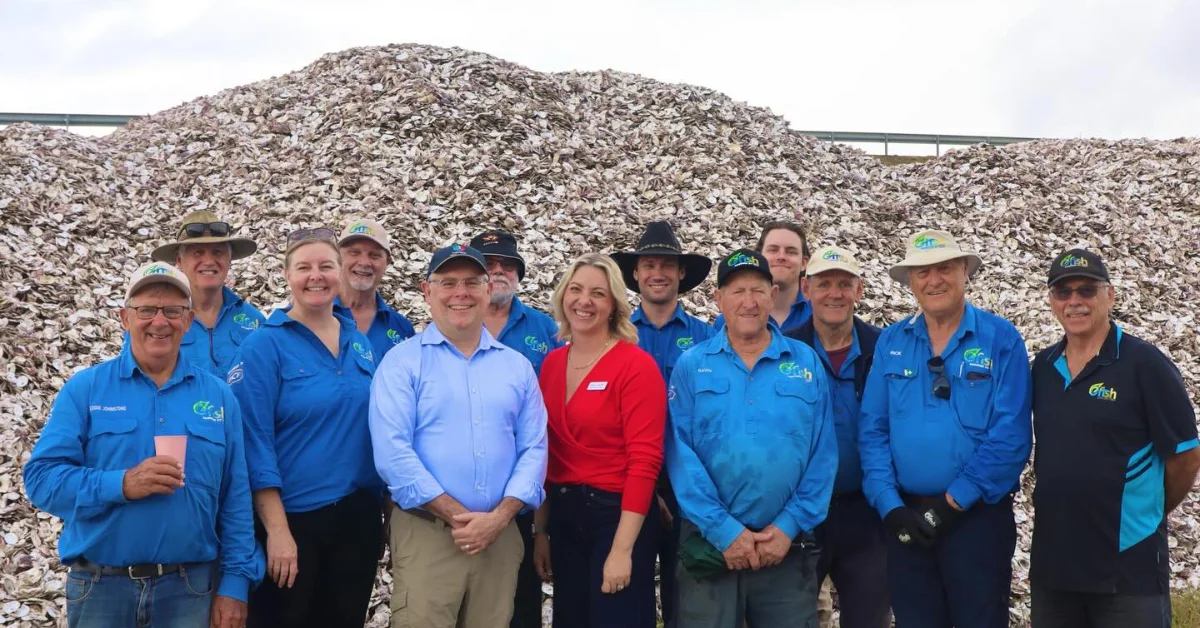
The Port of Brisbane will be part of a Moreton Bay shellfish reef restoration project that turns recycled shells from local seafood businesses and restaurants into oyster baskets designed to support cleaner water and marine habitat.


Local Shells To Support Port Of Brisbane Reef Work

Shellfish reefs in Moreton Bay are set to be restored through a two-year project that includes the Port of Brisbane, Peel Island and Fisher’s Lease.

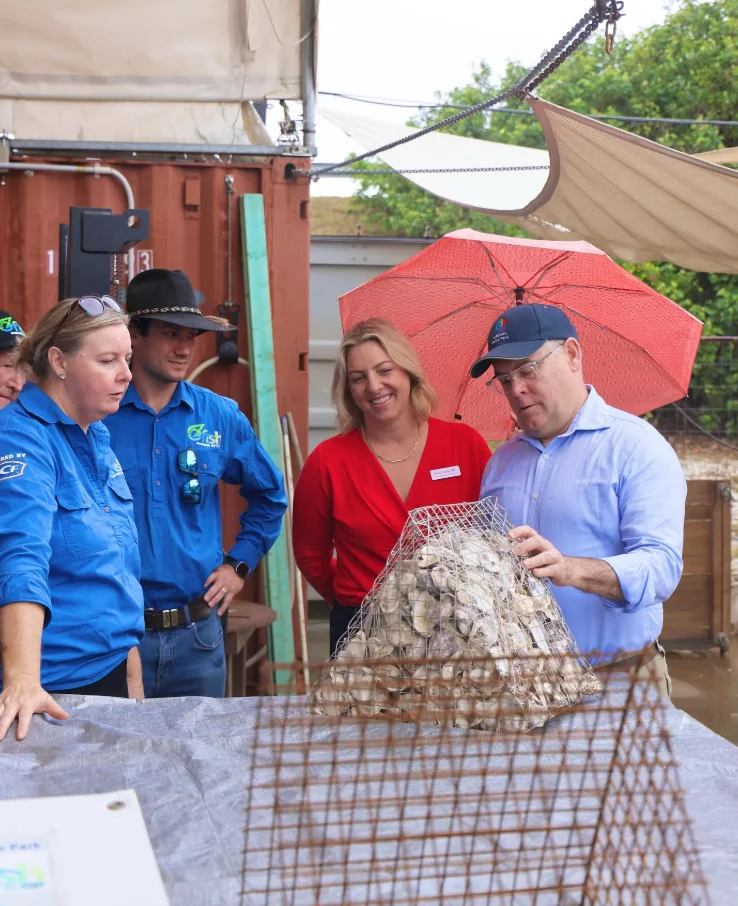
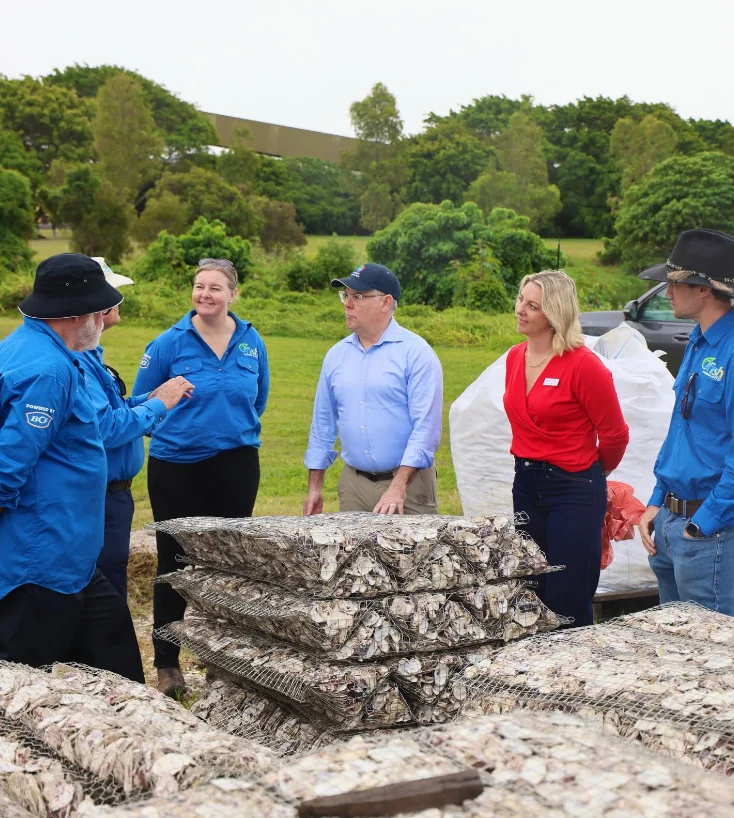
The $1.5 million project will support OzFish in creating and deploying 10,000 Robust Oyster Baskets across the three locations. The work is aimed at rebuilding shellfish reef systems that have declined over time due to historical harvesting, coastal development, disease and falling water quality.

Instead of going to waste, the shells will be cleaned, cured to meet biosecurity requirements, and used by volunteers to help create new oyster habitat in Moreton Bay.

Volunteers And Recycled Shells Drive The Project

The restoration work is designed around a simple community-based process. Recycled shells are collected, prepared and placed into Robust Oyster Baskets, which are then deployed in selected parts of Moreton Bay.

A single basket can provide shelter for more than 10,000 baby oysters. Once in place, the baskets are intended to help rebuild shellfish reef habitat and provide structure for marine life.

For local seafood businesses, restaurants and volunteers, the project connects everyday activity in Brisbane with restoration work in the bay. The shells left behind from seafood trade and dining will become part of a project aimed at supporting fish, crustaceans and other marine life.

Port of Brisbane reef
Photo Credit: KaraCookMP/Facebook

Port Of Brisbane Reef Work Linked To Cleaner Water

The Port of Brisbane is one of the confirmed locations where oyster baskets will be deployed as part of the Moreton Bay project.

Oysters play an important natural filtering role in the marine environment. By trapping microscopic algae and other particles, they can help improve water quality. One oyster can filter more than 100 litres of water a day, showing why shellfish reefs are valued as part of a healthier bay system.

The project is also expected to support biodiversity by restoring habitat where shellfish reefs have been lost. These reef structures provide shelter for fish and crustaceans, while also contributing to the wider marine environment of Moreton Bay.

Moreton Bay habitat
Photo Credit: KaraCookMP/Facebook

Moreton Bay Restoration With A Local Connection

Over the next two years, OzFish will deploy 10,000 oyster baskets across the Port of Brisbane, Peel Island and Fisher’s Lease.


The project is focused on restoring shellfish reef habitat, improving water quality and supporting biodiversity, with volunteers helping create the baskets and local shell material being reused for environmental restoration.

Published 27-Apr-2026

Port of Brisbane Marks 500th Cruise Ship Call in Pinkenba

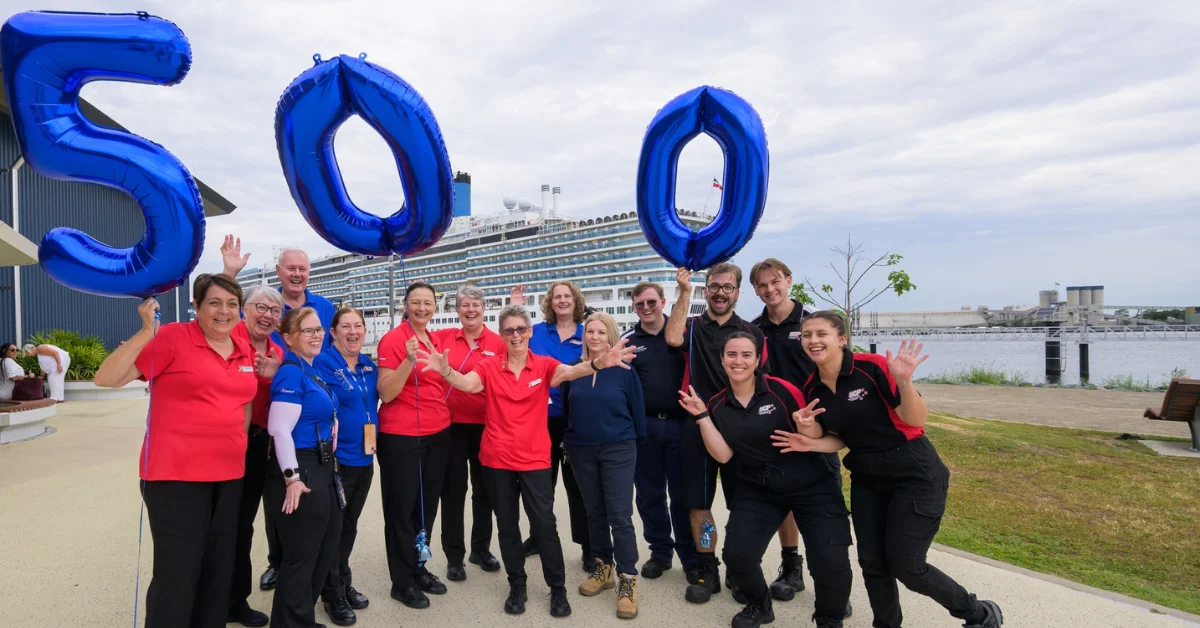
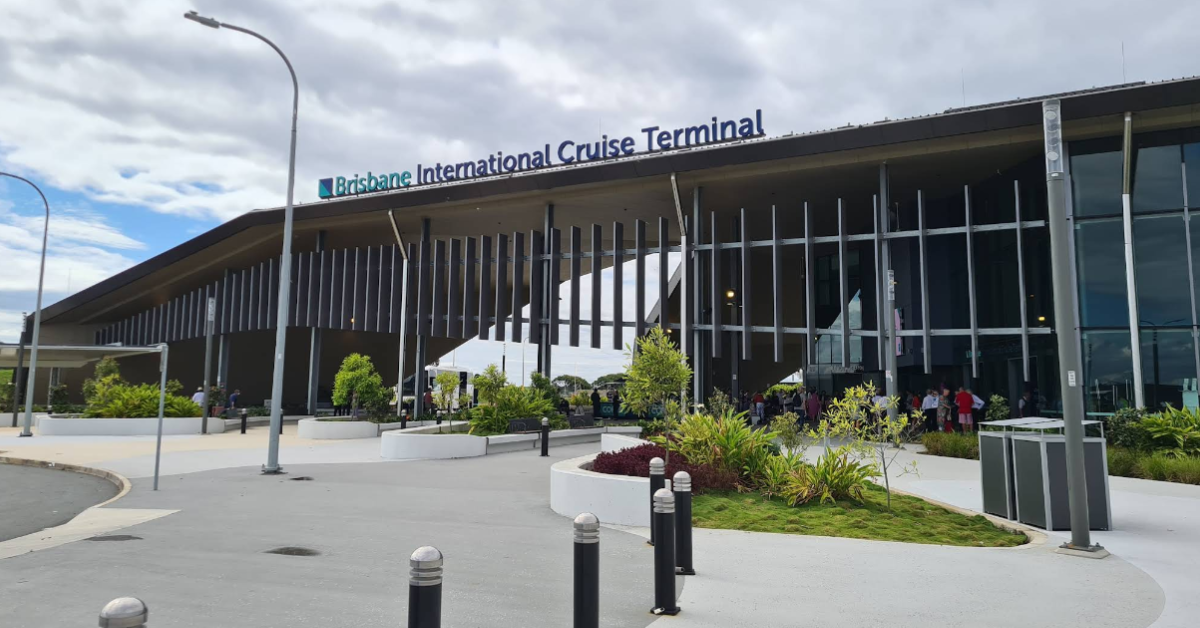
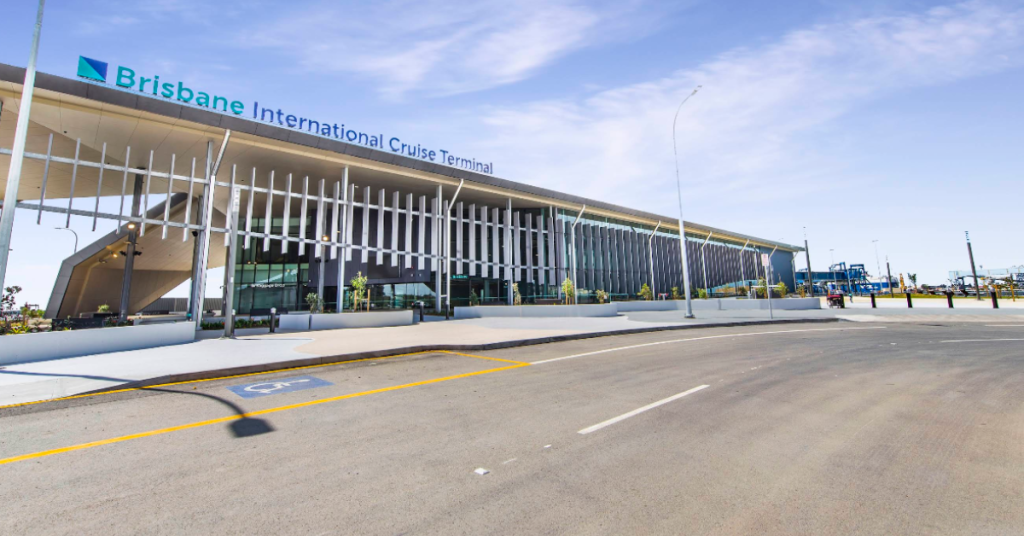
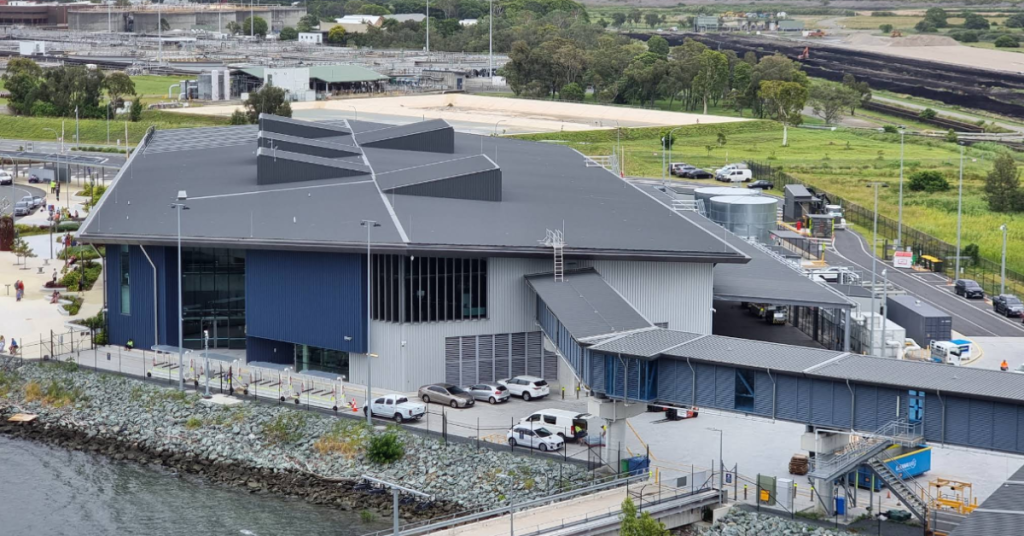
The Brisbane International Cruise Terminal recorded its 500th cruise ship visit since opening, a major milestone for the Port of Brisbane in Pinkenba.


Milestone Arrival At Pinkenba Terminal

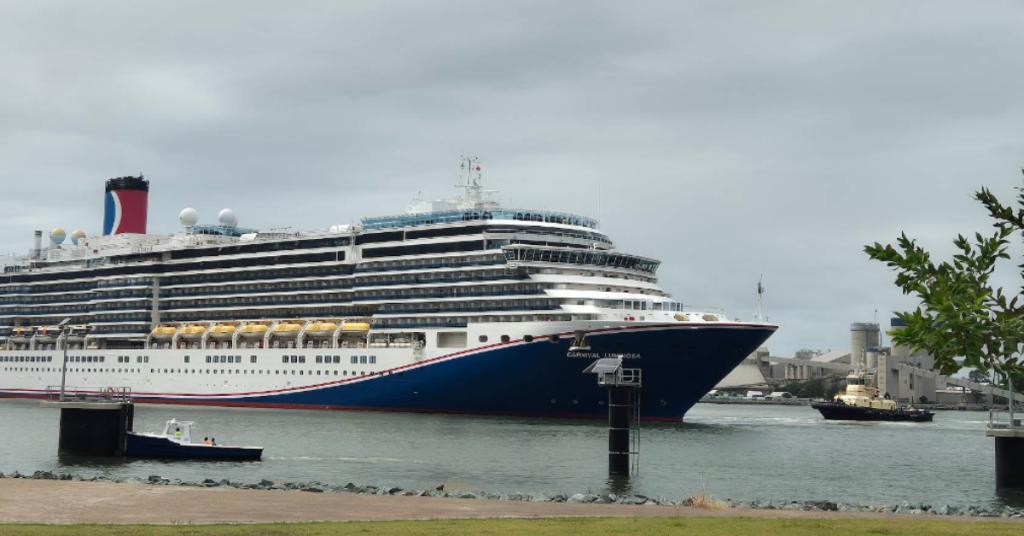
The milestone was marked on Sunday, 14 December 2025, with the arrival of Carnival Luminosa at the Brisbane International Cruise Terminal. The vessel became the 500th cruise ship to call at the terminal since operations began in 2022.

The terminal welcomed its first cruise ship on 2 June 2022. Since then, it has hosted vessels from many of the world’s major cruise lines, supporting both domestic and international cruise routes.

Growth Since Opening

In just over three and a half years of operation, the terminal has handled more than 2.5 million passenger movements. Cruise operations have continued through a range of operational conditions, including a cyclone experienced earlier in 2025.

Each cruise ship visit involves a coordinated operational effort, with around 130 staff and partner personnel supporting arrivals, departures and passenger processing.

Economic Contribution Of Cruise Activity

Each cruise ship call at the Pinkenba terminal contributes more than $1 million in economic value to Queensland. Over a ten-year period from the 2024 financial year, the total contribution is forecast to reach around $1.5 billion.

Cruise itineraries departing from Brisbane also include visits to other Queensland destinations, extending tourism and economic activity beyond the city.

Community Sentiment Around Access

Community feedback following the milestone highlighted strong support for terminal staff and onboard operations. Passengers frequently praised staff assistance and terminal organisation.

At the same time, comments raised ongoing concerns about road congestion and limited public transport access to and from the Pinkenba terminal, particularly during peak cruise periods.

Looking Ahead


The 2025–26 cruise season is expected to bring more than 140 cruise ship calls to the Brisbane International Cruise Terminal, involving 11 cruise lines and including nine first-time visiting vessels.

Published 21-Dec-2025

What’s in a Name? Future of Pinkenba Terminal’s Identity at Risk

The very identity of Brisbane’s $158 million international cruise terminal at Pinkenba has been thrown into question for the next century, after its private operator failed to receive exclusive rights to the facility’s name.


A Name Without Protection

Pinkenba
Photo Credit: Google Maps

The core of the issue surfaced last week when IP Australia, the national body for intellectual property rights, rejected the Port of Brisbane’s application to trademark its brand. An assessor for the agency noted there was not enough evidence to prove that the average Australian was familiar with the brand. This decision came despite the terminal’s prominent branding being in use since it began operating in June 2022. The Port of Brisbane had initially applied to protect two logo variations the following year.

The 99-Year Question

Pinkenba
Photo Credit: Google Maps

While the trademark refusal has no immediate effect on the terminal’s day-to-day operations, experts suggest it has uncovered a much larger problem tied to the facility’s long-term future. The Port of Brisbane operates the terminal on a 99-year lease from the state government, which is not set to expire until 2109.

According to University of Queensland trademark expert Professor John Swinson, this creates a tricky situation. He explained that without a registered trademark owned by the state, a new operator in 2109 might not be able to use the name “Brisbane International Cruise Terminal.” The outgoing operator, Port of Brisbane Pty Ltd, could potentially own the brand identity, forcing any future operator to buy the name or create a new one from scratch.

Business as Usual, For Now

Pinkenba
Photo Credit: Google Maps

Professor Swinson, who also serves as an arbitrator for the World Intellectual Property Organisation, clarified that not having a registered trademark does not stop a business from trading. The immediate consequence is that it becomes more difficult for the Port of Brisbane to legally stop other entities from using a similar name or logo. For the thousands of passengers who use the terminal, there will be no change to services.


Port Confident in Resolution

A spokesman for the Port of Brisbane stated that constructive discussions with IP Australia are ongoing. He said the port does not expect any changes to the terminal’s branding and looks forward to registering the trademarks soon. In response to the long-term ownership concerns, the spokesman confirmed that the trademarks would revert to the state at the conclusion of the lease. The original lease agreement, which places the port in private hands until 2109, was announced by the state government in November 2010.

Published Date 21-September-2025