


Brisbane Airport Metro Extension Study Faces Delays as New Bus Plan Proposed

A critical fifty-million-dollar investigation into extending the high-frequency Metro network to Brisbane Airport and major suburban hubs has yet to begin despite receiving funding approval.


Brisbane Airport
Photo Credit: Brisbane Metro

Nearly eight months have passed since the federal government agreed to fund a rapid business case for four proposed extensions. These routes would connect the city centre to Carseldine, Springwood, Capalaba, and the airport. While the money is ready, the actual work to assess these vital connections has not started.

Brisbane Lord Mayor Adrian Schrinner indicated that progress is happening behind the scenes. He noted that major engineering and construction firms have already shown interest in the project. According to Schrinner, the council is currently finishing agreements with state and federal authorities on how the business case will be managed and rolled out.

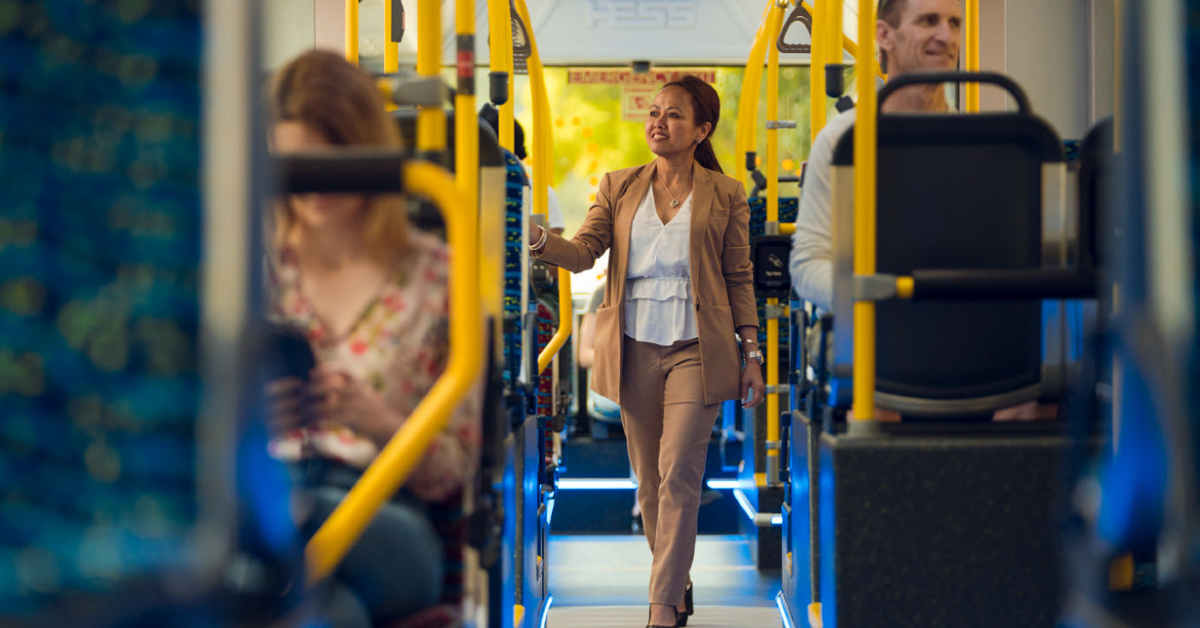
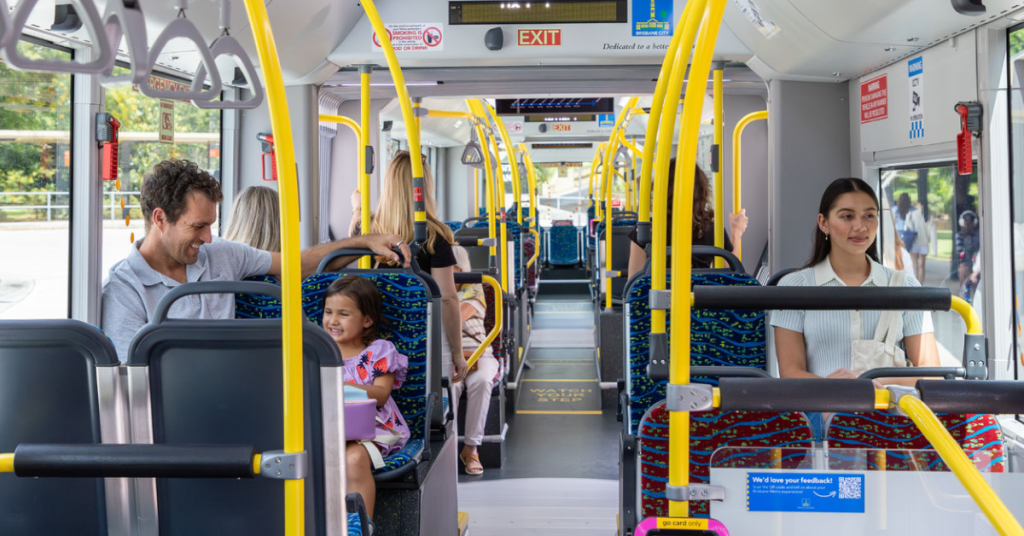
As the airport extension study waits for the green light, transport advocates are proposing a different solution to help commuters right now. The RACQ has suggested a network of “Metro Glider” services. These would be smaller, more agile electric buses designed to move people from suburban streets onto the main train and busway lines.

Brisbane Airport
Photo Credit: Brisbane Metro

RACQ general manager of advocacy Joshua Cooney viewed the expansion of the Brisbane Metro into the wider South East Queensland region as a quick and effective way to fix public transport gaps. He suggested that these smaller gliders could serve busy corridors that the larger Metro vehicles cannot reach. Areas like Lutwyche, South Pine, and Wynnum roads could benefit from these connectors.

The proposal also highlights the potential for gliders to link residents in Ipswich, Redcliffe, the Gold Coast, and Caboolture to their nearest train stations. Cooney explained that these vehicles could be on the road much faster than new train lines because they use existing roads and do not require heavy construction.


The push for expansion comes as the current Metro services see high passenger numbers. Since the M2 line between UQ Lakes and the Royal Brisbane and Women’s Hospital started early in the year, it has recorded more than 3.3 million trips. The M1 line, which runs from Eight Mile Plains to Roma Street, has also seen strong usage, with nearly one million trips since its launch in June.

Cooney noted that if the city gets this right, Brisbane could set a benchmark for urban planning that other growing cities might follow.

Published Date 18-December-2025

Banyo Station Reopening After Major Accessibility Upgrade

Banyo station in Brisbane is set to reopen to passengers following an extended closure for accessibility-focused construction works.


Accessibility Works Completed at Banyo Station

Banyo station will reopen to the public on Monday, 26 May 2025, after being closed for more than a year due to a major upgrade aimed at improving accessibility for all users. The project forms part of Queensland Rail’s broader Station Accessibility Upgrade Program, which seeks to modernise public transport access across the network.

The program aims to ensure that stations across South East Queensland are inclusive and better equipped for passengers using wheelchairs, pushing prams, carrying luggage or recovering from injury. The upgrades at Banyo station have been designed to remove mobility barriers and support safer, more efficient movement across the platform and station precinct.

Banyo station reopens
Photo Credit: Queensland Rail

Background to the Closure

The station has been closed since 22 January 2024 to allow for full-scale construction works. During this period, train services on the Shorncliffe line have not stopped at Banyo. Alternative transport arrangements have remained in place throughout the construction period to assist commuters.

Nearby stations, including Bindha and Nudgee, have remained operational during the works, with temporary pathways and signage provided to support access.

Key Upgrades and Features

The completed upgrade includes a new overpass with lift access, fully raised platforms, improved lighting, enhanced security cameras, and disability-compliant facilities. Other features include accessible toilets, upgraded ticket windows, tactile ground surface indicators, and hearing augmentation loops. Platform signage has been updated, and extended shelters have been installed to improve the passenger experience.

Banyo station upgrade
Photo Credit: Queensland Rail

Additional upgrades include an improved station office, new seating, and a new bicycle storage facility, which will be available in the weeks following the reopening. The station carpark remains temporarily closed but is expected to reopen shortly.

Temporary Transport Options and Nearby Stations

To support passengers until the reopening, shuttle bus route 316 continues to operate between Northgate and Banyo stations, with services running according to the Shorncliffe line timetable. This route includes stops at the Australian Catholic University and Earnshaw College. The service will continue until the last trip on Sunday, 1 June 2025. Bus route 306 from Tufnell Road also remains available for local commuters.

Future Network Works


While Banyo station is due to reopen, additional short-term disruptions are scheduled. As part of testing for the European Train Control System (ETCS) linked to the Cross River Rail project, services along the Shorncliffe line—including Banyo—will be suspended from 2 to 5 June 2025.

Published 14-May-2025