





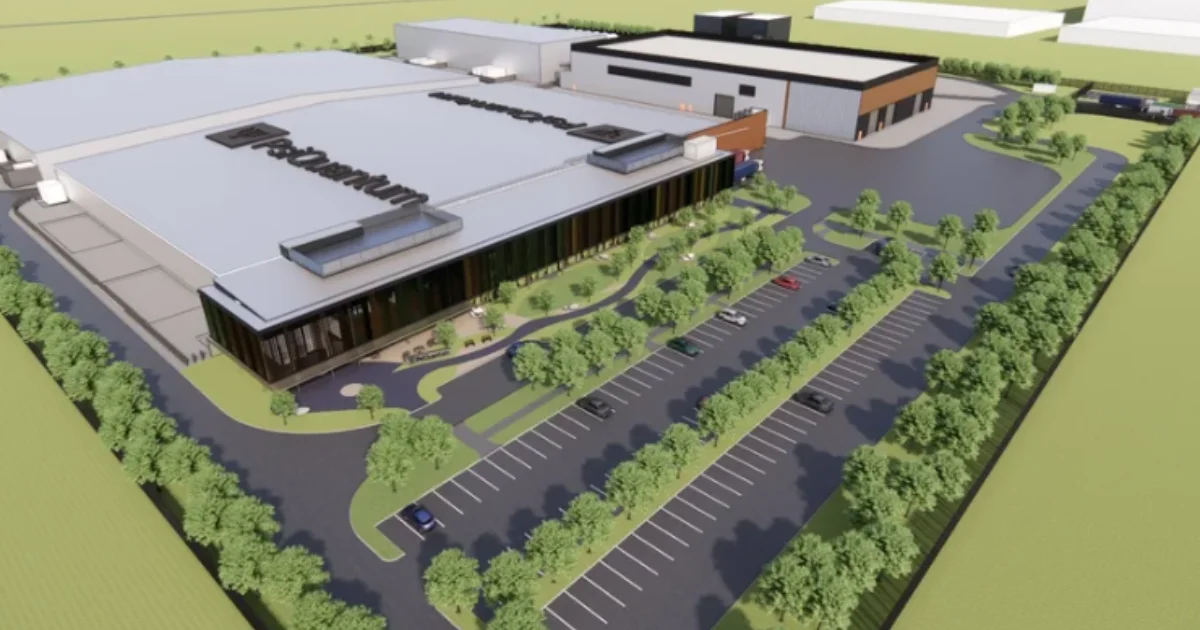
More than a year after it was scheduled to begin, construction of a $940-million quantum computing facility at Brisbane Airport has remained stalled, with the site remaining vacant as regulatory hurdles continue to push back the timeline for Silicon Valley tech firm PsiQuantum’s project.
Read: Brisbane Airport Industrial Precinct Set to Become Global Quantum Hub
The 13-hectare site tucked behind the airport was scheduled to see construction activity in 2025, but the land remains empty with no indication of when work might commence. A mandatory two-month public consultation process—the first step in securing Commonwealth approval—has yet to start, which may affect PsiQuantum’s stated target of completing the facility’s infrastructure by 2027.
Federal and state authorities have committed $470 million each to the venture through share purchases, grants, and loans. The project aims to establish what PsiQuantum describes as the world’s first commercially useful, fault-tolerant quantum computer.

The location behind Brisbane Airport was selected for its strategic advantages. Proximity to the Port of Brisbane enables transportation of large computing components, whilst high-capacity power infrastructure can support the energy-intensive operations required for quantum computing.
Brisbane Airport Corporation, which leases the land from the Commonwealth, must submit a major development plan before any construction activity can begin. That process cannot proceed until public consultation concludes and submissions are reviewed—steps that remain pending.
When questioned about the timeline during Senate estimates hearings in October, the federal Department of Industry, Science and Resources indicated it had not prepared contingency plans for delays extending beyond 2025.

Brisbane Airport’s Scott Norris, executive general manager for commercial operations, verified the airport’s engagement with PsiQuantum on precinct matters but did not elaborate on delay factors.
PsiQuantum has stated the project remains on track despite the visible lack of activity. A company spokesperson noted the importance of following proper development approval processes, indicating that construction will begin once Brisbane Airport receives the necessary permissions.
Behind the scenes, preparatory work continues. Engineering consultancy Jacobs has finalised the schematic design for the complex, whilst construction firm Lendlease has been engaged early to provide expertise on buildability and logistics.
The facility’s design is substantial in scope and technical complexity. Plans include a main office building, quantum computing operations buildings housing hundreds of cryogenic cabinets containing silicon photonic chips, and an enormous cryoplant that will maintain temperatures of minus 269 degrees Celsius, a mere four degrees above absolute zero.
That cryoplant, described as a critical component of the facility, is currently being manufactured in partnership with Linde Engineering and remains scheduled for delivery in 2027. The company has indicated building completion is still targeted for that year, with the quantum computer becoming operational several years later.
The project centres on quantum computing technology with potential applications in drug discovery, materials science, and complex system modelling. If completed as planned, the facility would position Queensland as a participant in quantum computing infrastructure development.
Queensland Treasurer David Janetzki has said the Crisafulli administration, which reviewed and ultimately proceeded with the agreement, expects PsiQuantum to fulfil its commitments. The venture is projected to generate up to 400 technology jobs in Brisbane.
Meanwhile, PsiQuantum’s related project at Griffith University’s Nathan campus faces its own timeline adjustments. A test and validation laboratory originally scheduled to open in 2025 has been rescheduled to May due to renovation work tied to broader building upgrades. That facility will feature a custom cryostat, described as one of Australia’s most powerful cryogenic systems, for testing quantum components before their integration into the main computer.
Read: Quantum Cooling Facility to Power Computer Project Near Brisbane Airport
The company has been expanding its Brisbane presence, establishing local headquarters in the CBD last year. Recent leadership transitions saw Australian co-founder Jeremy O’Brien move from chief executive to executive chairman, with industry veteran Victor Peng stepping in as interim CEO.
As 2026 progresses, observers are watching to see whether PsiQuantum can navigate the regulatory process in time to meet its 2027 construction deadline. The vacant site at Brisbane Airport remains a visible indicator that Australia’s largest quantum computing investment has yet to commence construction.
Published 17-February-2026


