


Brisbane Airport Metro Extension Study Faces Delays as New Bus Plan Proposed

A critical fifty-million-dollar investigation into extending the high-frequency Metro network to Brisbane Airport and major suburban hubs has yet to begin despite receiving funding approval.
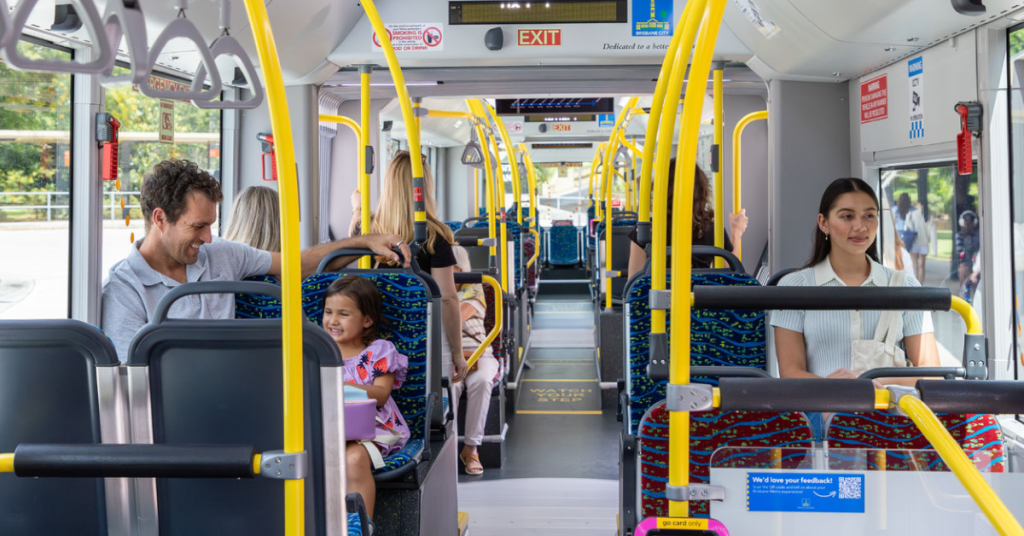


Brisbane Airport
Photo Credit: Brisbane Metro

Nearly eight months have passed since the federal government agreed to fund a rapid business case for four proposed extensions. These routes would connect the city centre to Carseldine, Springwood, Capalaba, and the airport. While the money is ready, the actual work to assess these vital connections has not started.

Brisbane Lord Mayor Adrian Schrinner indicated that progress is happening behind the scenes. He noted that major engineering and construction firms have already shown interest in the project. According to Schrinner, the council is currently finishing agreements with state and federal authorities on how the business case will be managed and rolled out.

As the airport extension study waits for the green light, transport advocates are proposing a different solution to help commuters right now. The RACQ has suggested a network of “Metro Glider” services. These would be smaller, more agile electric buses designed to move people from suburban streets onto the main train and busway lines.

Brisbane Airport
Photo Credit: Brisbane Metro

RACQ general manager of advocacy Joshua Cooney viewed the expansion of the Brisbane Metro into the wider South East Queensland region as a quick and effective way to fix public transport gaps. He suggested that these smaller gliders could serve busy corridors that the larger Metro vehicles cannot reach. Areas like Lutwyche, South Pine, and Wynnum roads could benefit from these connectors.

The proposal also highlights the potential for gliders to link residents in Ipswich, Redcliffe, the Gold Coast, and Caboolture to their nearest train stations. Cooney explained that these vehicles could be on the road much faster than new train lines because they use existing roads and do not require heavy construction.


The push for expansion comes as the current Metro services see high passenger numbers. Since the M2 line between UQ Lakes and the Royal Brisbane and Women’s Hospital started early in the year, it has recorded more than 3.3 million trips. The M1 line, which runs from Eight Mile Plains to Roma Street, has also seen strong usage, with nearly one million trips since its launch in June.

Cooney noted that if the city gets this right, Brisbane could set a benchmark for urban planning that other growing cities might follow.

Published Date 18-December-2025
New Road Safety Cameras Planned in Nudgee

Nudgee will be part of Queensland’s new road safety enforcement measures, with point-to-point speed cameras planned for the Gateway Motorway North upgrade.


Rising Road Toll

Queensland has recorded 189 road deaths so far this year, two more than the same period last year. In 2023, 302 lives were lost, the highest toll since 2009. Speeding was a factor in almost one-quarter of those fatalities.

Safety Measures at Nudgee

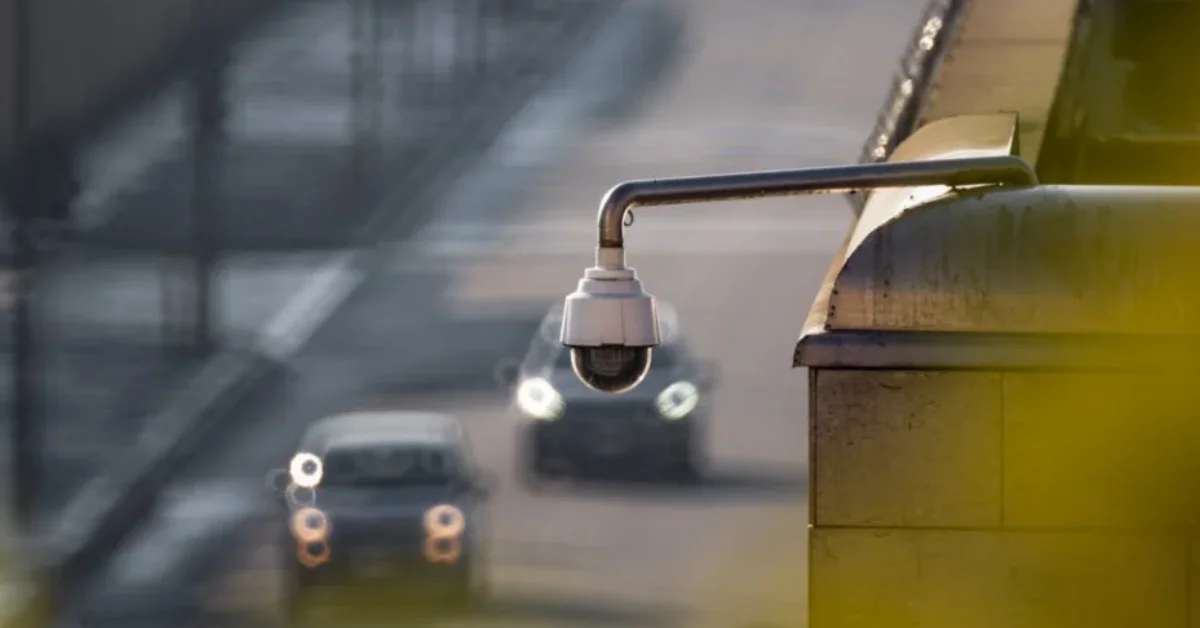
As part of the Gateway Motorway North upgrade, point-to-point speed cameras will be installed in the Nudgee corridor. These cameras track average speeds over longer distances, targeting persistent speeding behaviour. They will undergo testing before enforcement begins in mid to late 2026.

Nudgee road safety
Photo Credit: Pexels

Statewide Road Investment

The installation forms part of a wider safety program. Over the next four years, $25.5 billion has been allocated to road projects, including $9 billion for the Bruce Highway program. Another $100 million has been set aside for the Country Roads Connect scheme, which aims to improve safety on rural and remote corridors.

Effectiveness of Point-to-Point Cameras

Research shows point-to-point cameras can reduce fatal and serious crashes by up to 85 per cent. Authorities describe them as preventative tools that deter speeding and support safer driving.

Gateway Motorway
Photo Credit: Pexels

Calls for Stronger Enforcement

RACQ has backed the rollout of new cameras, noting that speeding remains the leading cause of road trauma, with three-quarters of motorists admitting to the behaviour. Road safety advocates have also urged greater use of enforcement, including roadside drug and alcohol testing, stronger penalties, and more police presence on high-risk roads.

Cost of Road Trauma

Between 2019 and 2023, there were 31,742 crashes causing death or serious injury in Queensland, at a social cost estimated at $35.7 billion. This figure includes medical expenses, vehicle damage, lost productivity, and the broader social impact on families and communities.

Next Steps


With enforcement scheduled to start from late next year, drivers travelling through Nudgee on the Gateway Motorway will face stricter monitoring. Advocates say reducing speeding and changing driving behaviour remain central to lowering Queensland’s road toll.

Published 3-Sep-2025