




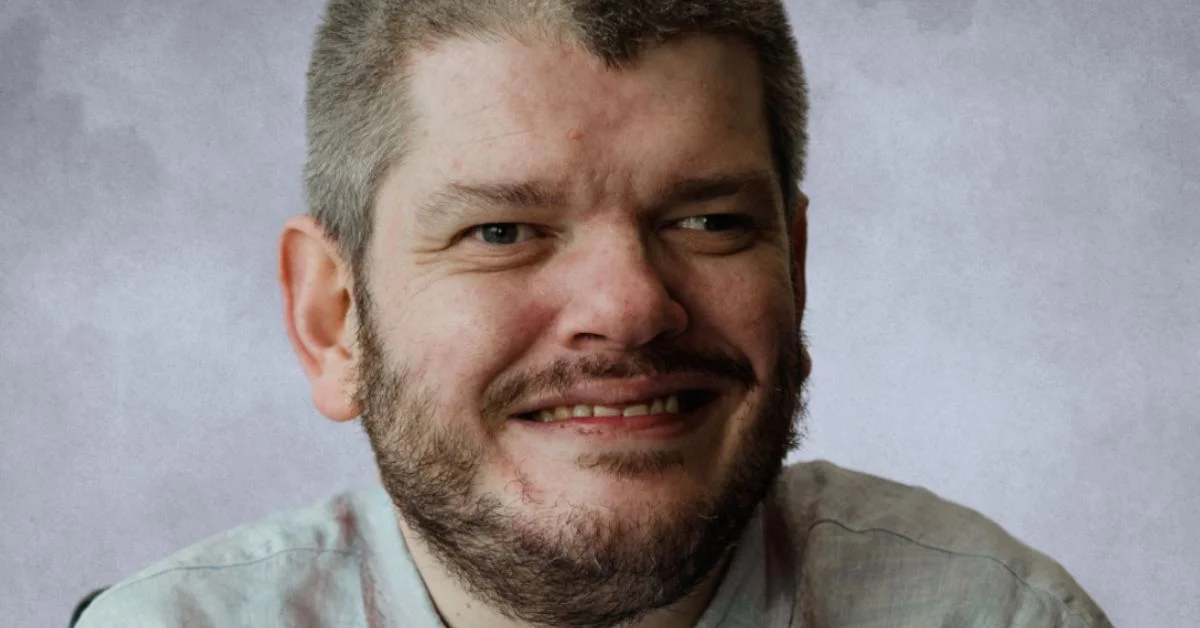
Todd Winther, a 42-year-old Nundah resident with cerebral palsy, leads advocacy efforts to mandate fire sprinklers in all Specialist Disability Accommodation properties across Australia, citing severe safety risks for residents unable to evacuate independently during emergencies.
Winther lives in a two-bedroom, two-bathroom High Physical Support SDA property in Nundah, approximately 15 minutes north of Brisbane CBD. His home includes water sprinklers, but he describes the terror of knowing such safety features remain optional rather than mandatory in disability accommodation despite residents’ heightened vulnerability.

The wheelchair user cannot get out of bed independently and acknowledges that even when mobile, evacuating his apartment would take considerable time. Fire sprinklers provide another safety barrier for someone unable to handle fire extinguishers independently, yet current regulations only recommend rather than require these systems.
Disability Community Fire Risk
People with disability face disproportionate risk from residential fires. A 2019 Bushfire Cooperative Research Centre report found that 62 per cent of Australians who died in preventable residential fires between 2003 and 2017 had a disability, despite this group comprising a much smaller proportion of the overall population.

More than 15,500 NDIS participants currently live in SDAs designed to help them live more independently, according to the NDIS Quarterly Report released in September. These properties house residents with extreme functional impairment requiring very high support levels, yet fire sprinklers remain recommended rather than required.

Current SDA design standards mandate smoke alarms in bedroom and living spaces alongside evacuation plans. However, sprinklers carry recommendation status only. The National Disability Insurance Agency confirmed SDA design standards are under review, with outcomes expected later this year.
Advocacy Campaign and Technology Effectiveness
The Specialist Disability Accommodation Alliance, led by CEO Jeramy Hope, has called for mandatory home fire sprinklers and interconnected smoke alarms across all SDA properties. Hope reports that SDA residents express fear at night, knowing inadequate safety measures could prove fatal.
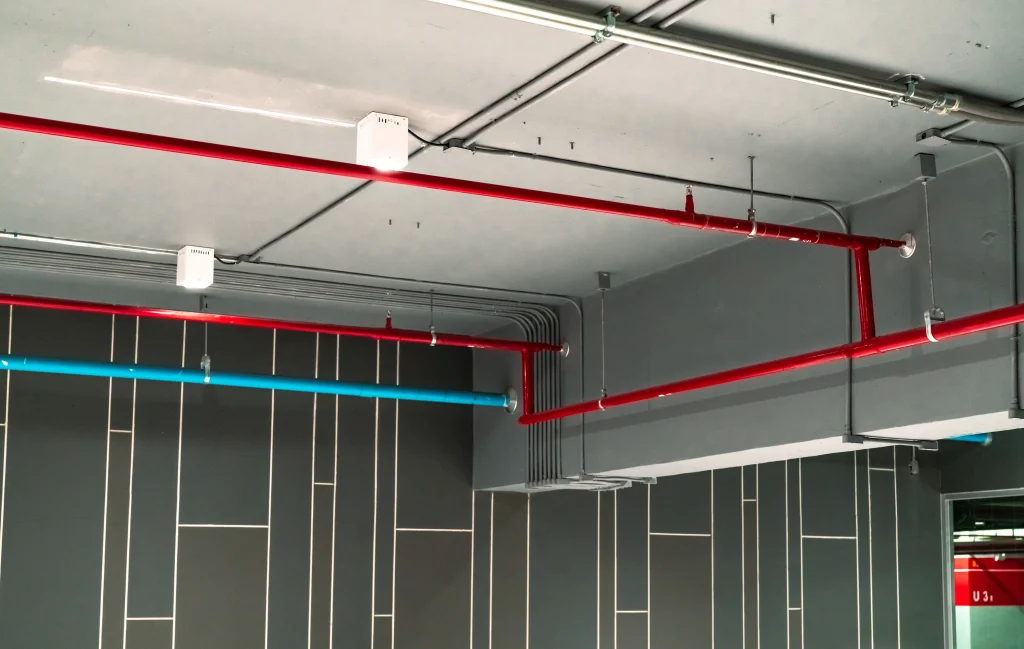
The alliance positions fire sprinklers as proven technology costing between $5,000 and $20,000 per dwelling. Hope characterises this as fairly inexpensive implementation that prevents people with disability dying in their homes.


Mark Whybro, chair of Home Fire Sprinkler Coalition Australia and former assistant commissioner of Fire and Rescue New South Wales, advocates for the same regulatory changes applied to aged care following the 2011 Quakers Hill nursing home fire that killed 11 elderly residents. Whybro successfully campaigned for retrofitting sprinklers in residential aged care in New South Wales, which subsequently became mandatory nationally under the National Construction Code.
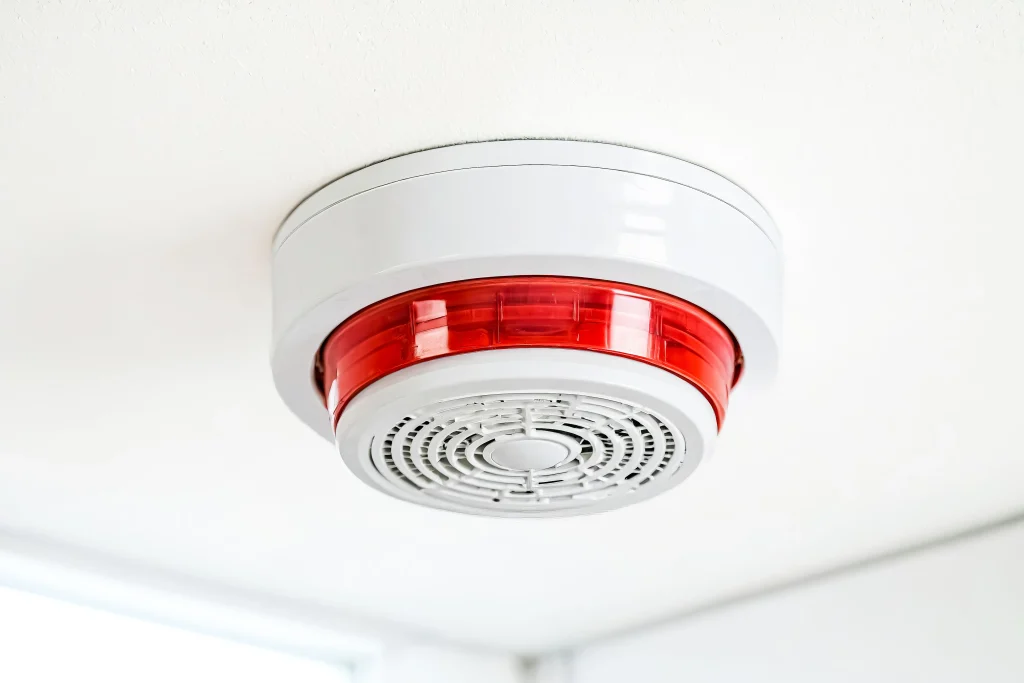
Smoke alarms alone provide approximately 50 per cent improvement in surviving typical house fires whilst doing nothing to suppress blazes. Home fire sprinklers deliver around 90 per cent improvement in surviving house fires by managing flames to allow evacuation.
Modern fires involving plastics, synthetics, and polystyrene foam can engulf entire rooms in two to three minutes. Fire sprinklers manage fire spread to allow people to exit safely, particularly critical for residents requiring assistance or using mobility devices.
Background and Advocacy
Todd Winther works as NDIS subject matter specialist, providing training for service providers on housing policy, best practice, and the social model of disability. His professional expertise combines with personal experience as NDIS participant receiving approximately 7 hours per day of support through core funding, plus Supported Independent Living funding of approximately $140,000 annually.

His SIL funding operates under the Concierge model, where funding across tenants of 10 high physical support apartments combines to enable emergency on-call response mechanisms outside core hours. This represented the first time Winther could choose where he lived with consumer power to determine the best options.
Winther authored the Australian Disability Dialogue on Housing discussion paper in 2023, examining how housing and living supply responses can be more innovative and aligned with participant needs. The paper explores foundational principles of choice, change, community, and cost-benefit in disability housing.
His discussion paper identifies that only 6 per cent of NDIS participants receive purpose-built accommodation or SDA funding. The work questions how legacy group housing models can transform into systems offering real choice and control.
Living in SDA has transformed Winther’s life, enabling full-time employment and independent living that facilitated meeting his wife. Without disability accommodation, he would likely still be living with parents. Winther emphasises SDAs as one of the most important parts of the NDIS, stressing the need for enhanced safety measures including mandatory fire sprinklers.
NDIS Housing Context
Todd Winther’s discussion paper examines tensions between choice and control for people with disability and commercial imperatives to deliver sustainable supports. The number of NDIS participants with housing and living supports has doubled in the last four years, creating opportunities for investment whilst supply lags behind demand.
SDA active participants increased 18 per cent annually over three years, reaching 22,680 as of March 2023. Average plan budgets increased approximately 12 per cent per annum, leading to total SDA supports rising around 31 per cent annually from $156 million to $353 million. The Australian Disability Dialogue framework identified design challenges focusing on participant voice, community connections, models that people want, and long-term economic independence.
Nundah and Fire Safety Advocacy
Nundah, located approximately 8 kilometres northeast of Brisbane CBD, developed as railway suburb following the 1882 opening of Nundah railway station. Public transport access via the station and multiple bus routes enables residents with mobility requirements to access Brisbane services.
The suburb’s relatively flat topography and established footpath network support wheelchair accessibility. Proximity to medical services, shopping facilities, and community amenities creates suitable environment for independent living through NDIS supports.
Specialist Disability Accommodation Alliance continues advocacy efforts whilst awaiting NDIA design standard review outcomes, urging immediate action to mandate fire sprinklers in all SDA properties.
Published 08-February-2026.