



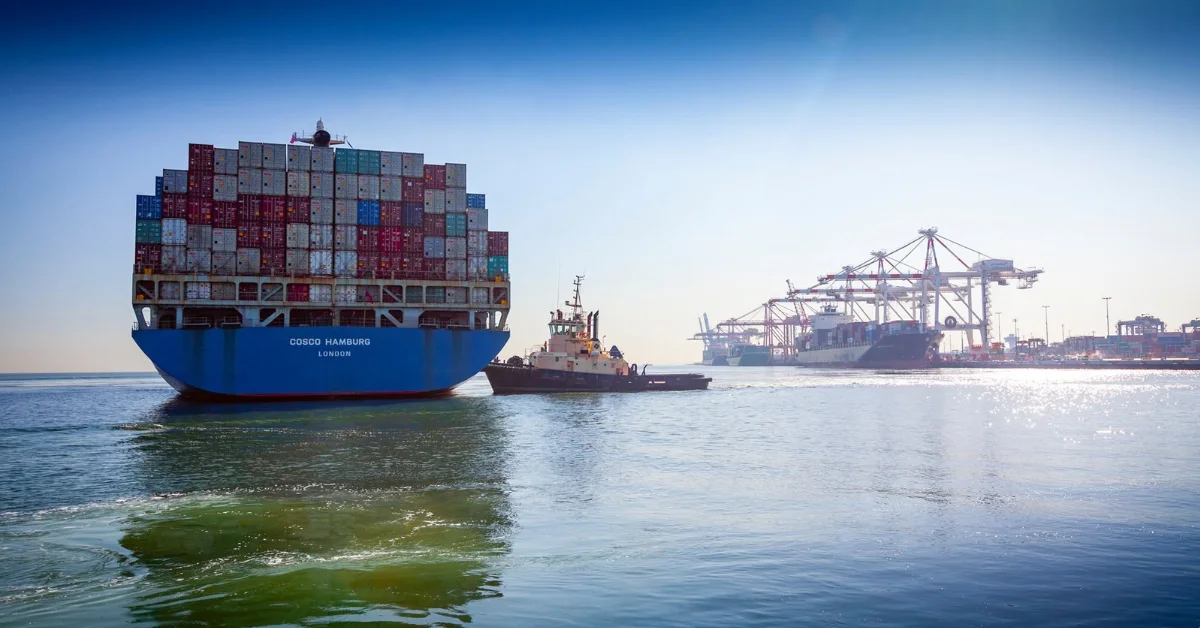
Fifty years after it was established to transform Queensland’s maritime future, the Port of Brisbane is celebrating a milestone that reflects decades of growth, innovation, and long-term planning. What began in 1976 as an ambitious response to the limitations of Brisbane’s ageing river port facilities has become Queensland’s primary trade gateway, handling billions of dollars in international commerce each year while quietly supporting businesses and communities across the state.
Read: Community Welcomed Aboard HMAS Brisbane During Special Port of Brisbane Visit
Although much of its work happens out of public view, the port plays a key role in moving imported goods, exports, vehicles and hundreds of different commodities. The Port of Brisbane describes itself as an essential but often unseen part of the state’s economy, connecting Queensland with global markets while enabling the flow of goods relied on by households and businesses alike.

Today, the port facilitates about $73.5 billion in international trade annually, accounts for more than 95 per cent of Queensland’s container imports and exports and motor vehicle movements, and is home to more than 80 trade-related businesses. The precinct also supports more than 10,000 jobs, making it one of South East Queensland’s largest industrial hubs.
Rather than positioning itself in the spotlight, the organisation has long embraced its reputation as a “best kept secret”. Port of Brisbane CEO Neil Stephens has said the ideal outcome is that most people never have to think about the port because that usually means it is operating efficiently behind the scenes. This year, however, the organisation is taking the opportunity to reflect on the vision that shaped its creation while looking ahead to the decades still to come.

A Trade Gateway Built For The Future
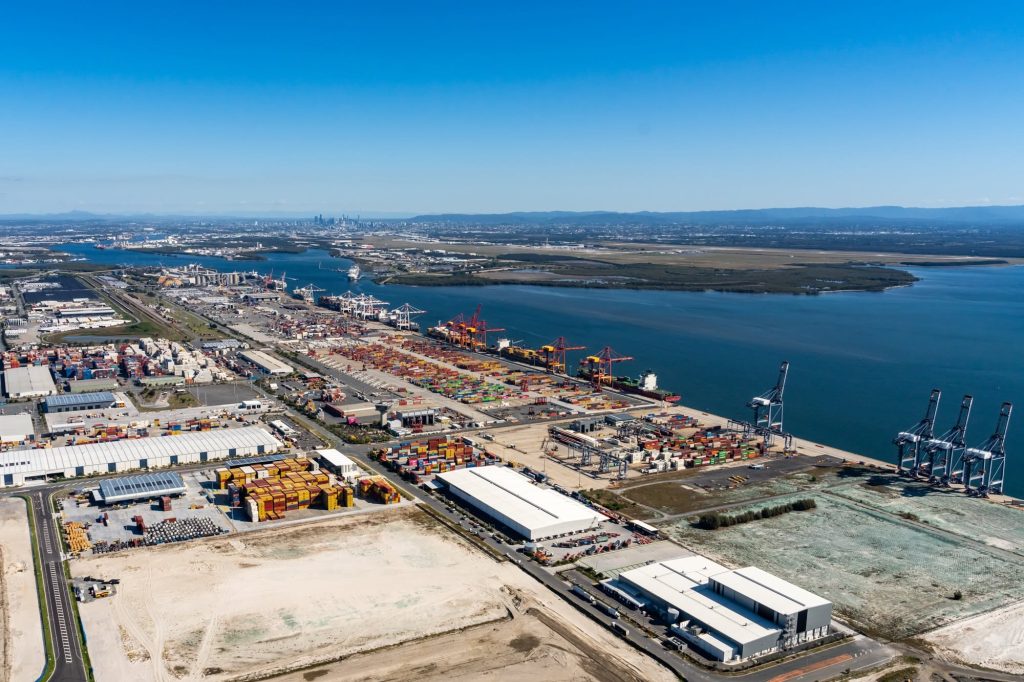
The Port of Brisbane has evolved well beyond its original purpose of accommodating larger ships. Today it is Australia’s largest capital city port by land area, covering almost 1,900 hectares and continuing to plan for future growth.

Much of Fisherman Islands has itself been created through decades of carefully managed land reclamation using material dredged from the shipping channel. Maintaining that channel remains one of the port’s most important responsibilities, ensuring increasingly larger vessels can safely reach Brisbane.
Former senior engineering and strategy executive Robert Nave has described the port’s development as the product of consistent long-term planning rather than short-term decision making. During his three decades with the organisation, he witnessed major engineering projects, advances in automation and sophisticated vessel management systems designed to safely accommodate larger container ships while minimising unnecessary dredging.
He has also highlighted the importance of environmental planning, noting that the port established comprehensive baseline environmental studies around Fisherman Islands and Moreton Bay decades ago. Those studies have enabled environmental changes to be measured over time and informed future planning as the port expanded.


Several milestones have shaped the modern port, including the opening of the first terminal in 1980, the arrival of its first container ship in 1981, the construction of the 4.6-kilometre seawall that enabled the Future Port Expansion area, Australia-first automation across all three stevedores in 2014, the implementation of NCOS Online in 2017, the opening of the Brisbane International Cruise Terminal in 2022, and the release of the Vision 2060 strategy in 2025.
How A Bold Decision Changed Brisbane
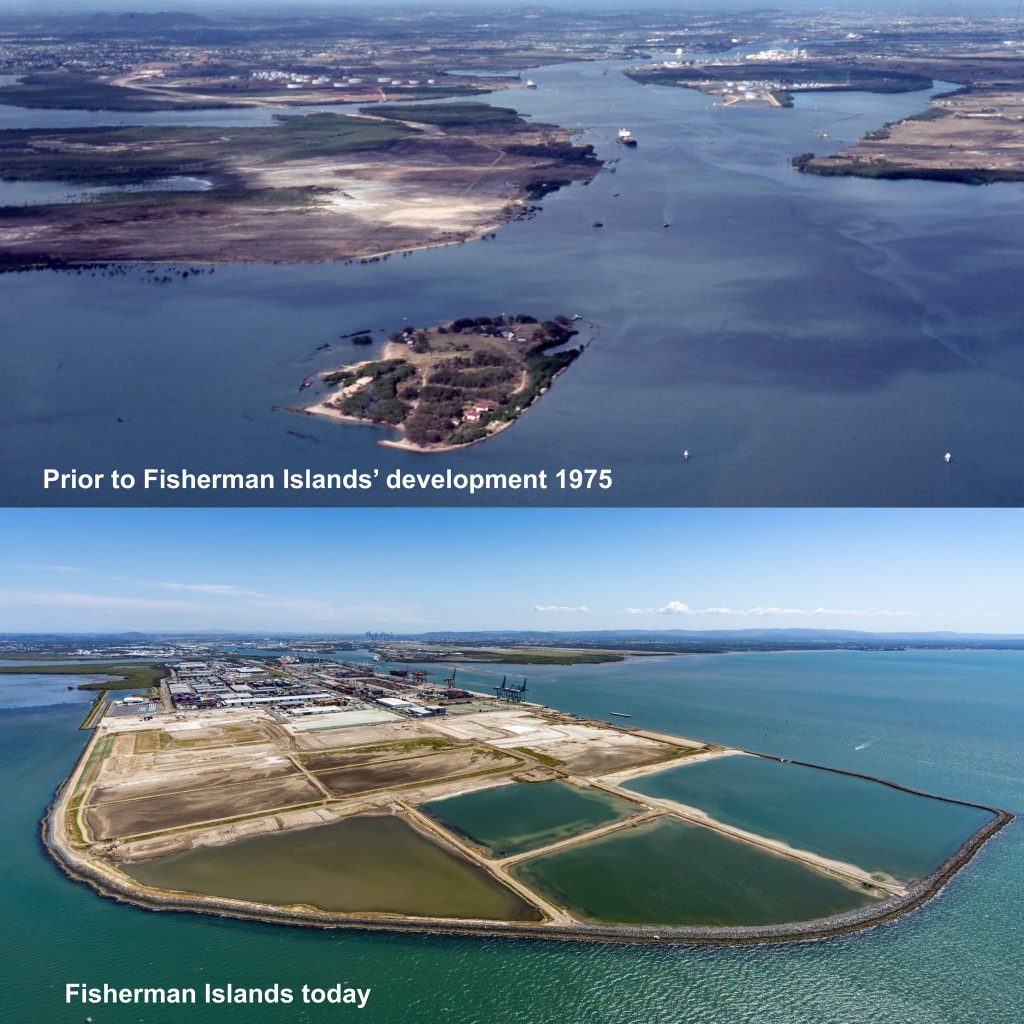
The story of the Port of Brisbane began in the early 1970s when Queensland’s existing river port facilities at Hamilton, New Farm, and Bulimba were struggling to accommodate larger container vessels. Some ships were unable to berth, while others faced delays caused by tidal limitations, creating challenges for exporters and limiting Brisbane’s competitiveness.
Read: Port Of Brisbane Oyster Basket Project Turns Local Shell Waste Into Reef Habitat
A review examined several possible locations for a modern deepwater port before selecting Fisherman Islands because of its capacity to accommodate future generations of ships without requiring extensive river dredging. The recommendation required significant investment and entirely new infrastructure.
The Port of Brisbane Authority was established in 1976, with the first contract for port infrastructure awarded the following year, laying the foundations for a facility that has since grown into Queensland’s principal international trade gateway.
Half a century later, many of the developments anticipated in the original strategy, including larger container ships and growing trade with Asia, have come to pass. As the Port of Brisbane celebrates its 50th anniversary, it marks five decades of connecting Queensland with more than 145 countries and is planning for continued growth through its Vision 2060 strategy.
Published 24-July-2026. Updated 12-August-2026.